Step off the tourist trail with this insightful 15-day adventure through Benin, Togo and Ghana. Learn about the history and cultures of these three diverse West African countries, from Cape Coast Castle, which played a significant role in the transatlantic slave trade, to the ancient Vodun culture of Ouidah. Visit Accra's fantasy coffin makers, cruise along in traditional boats and journey through the natural landscapes seldom explored by travellers. Hike up Mt Agou – Togo’s highest peak – and visit the Wli Waterfalls – the tallest in West Africa. Walk along Kakum National Park's canopy walkway in the middle of the rainforest and look out for the local monkeys, and over 200 bird species. This diverse trip, with a local leader by your side, showcases three fascinating countries and offers a glimpse into West African life.
◆Adjara Black River - Palm Nut Distillery
◆Porto Novo - Guided Old City Tour & Songhai Centre
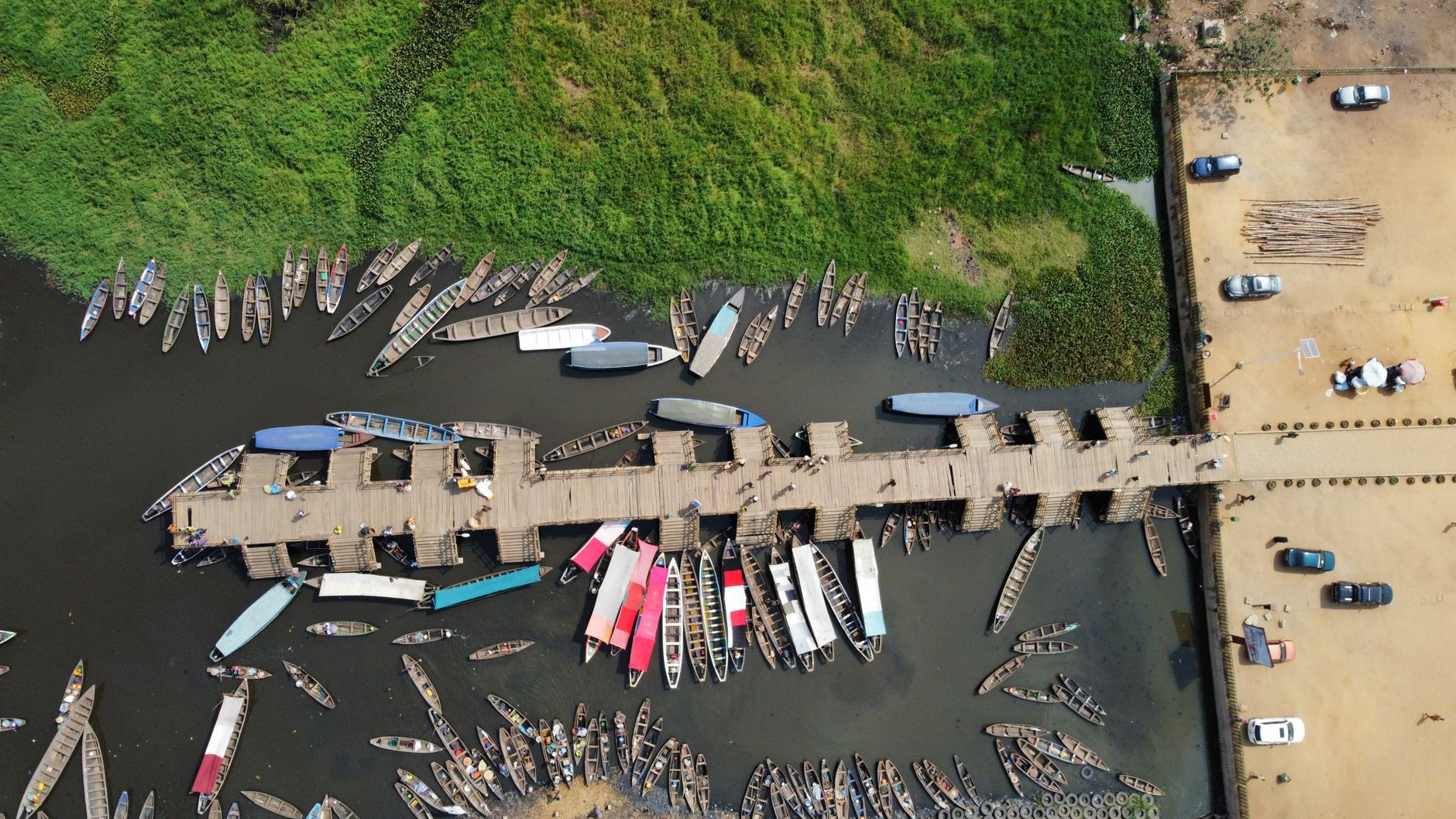
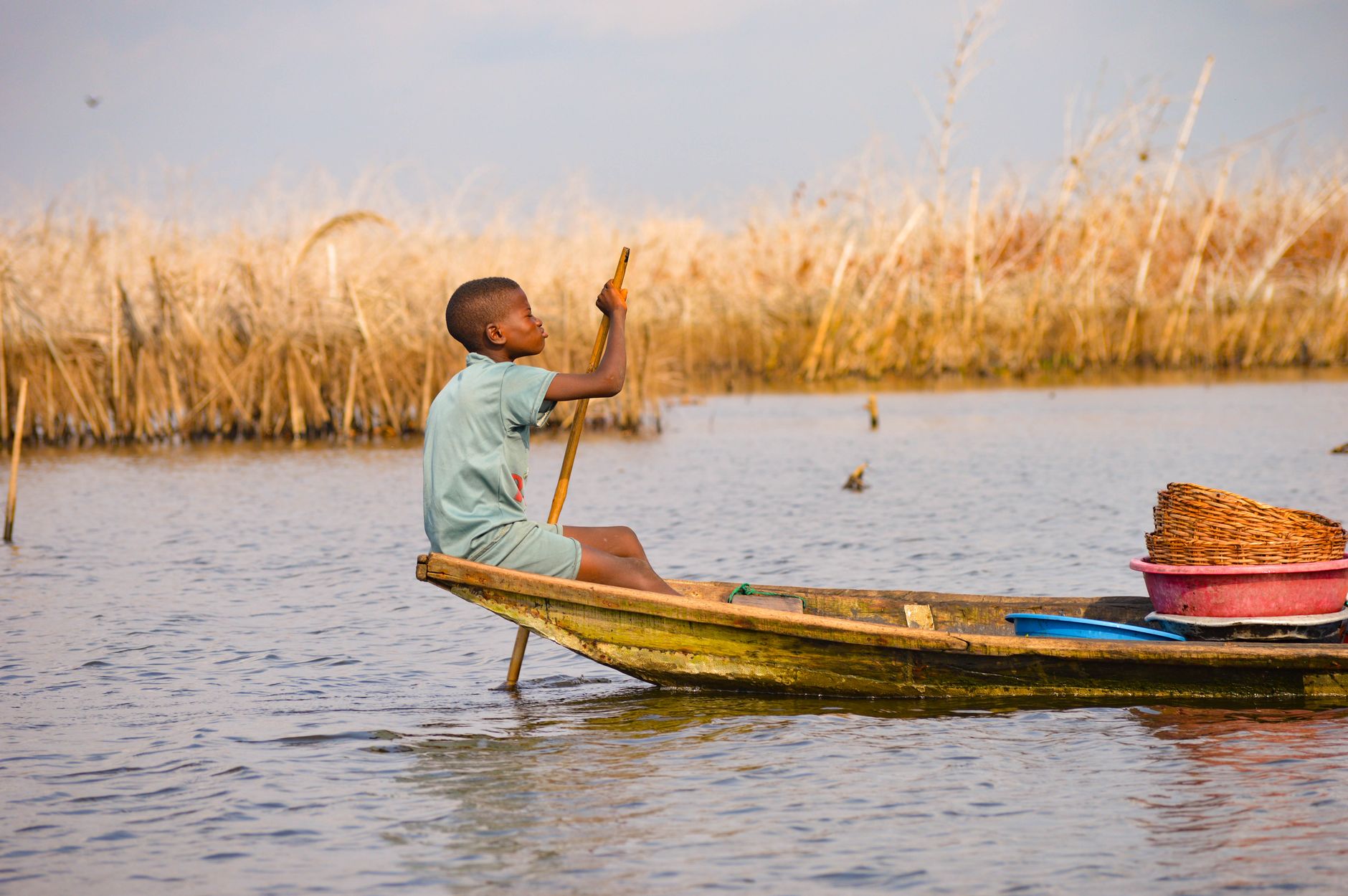
◆Adjara Black River - Pirogue Boat Tour
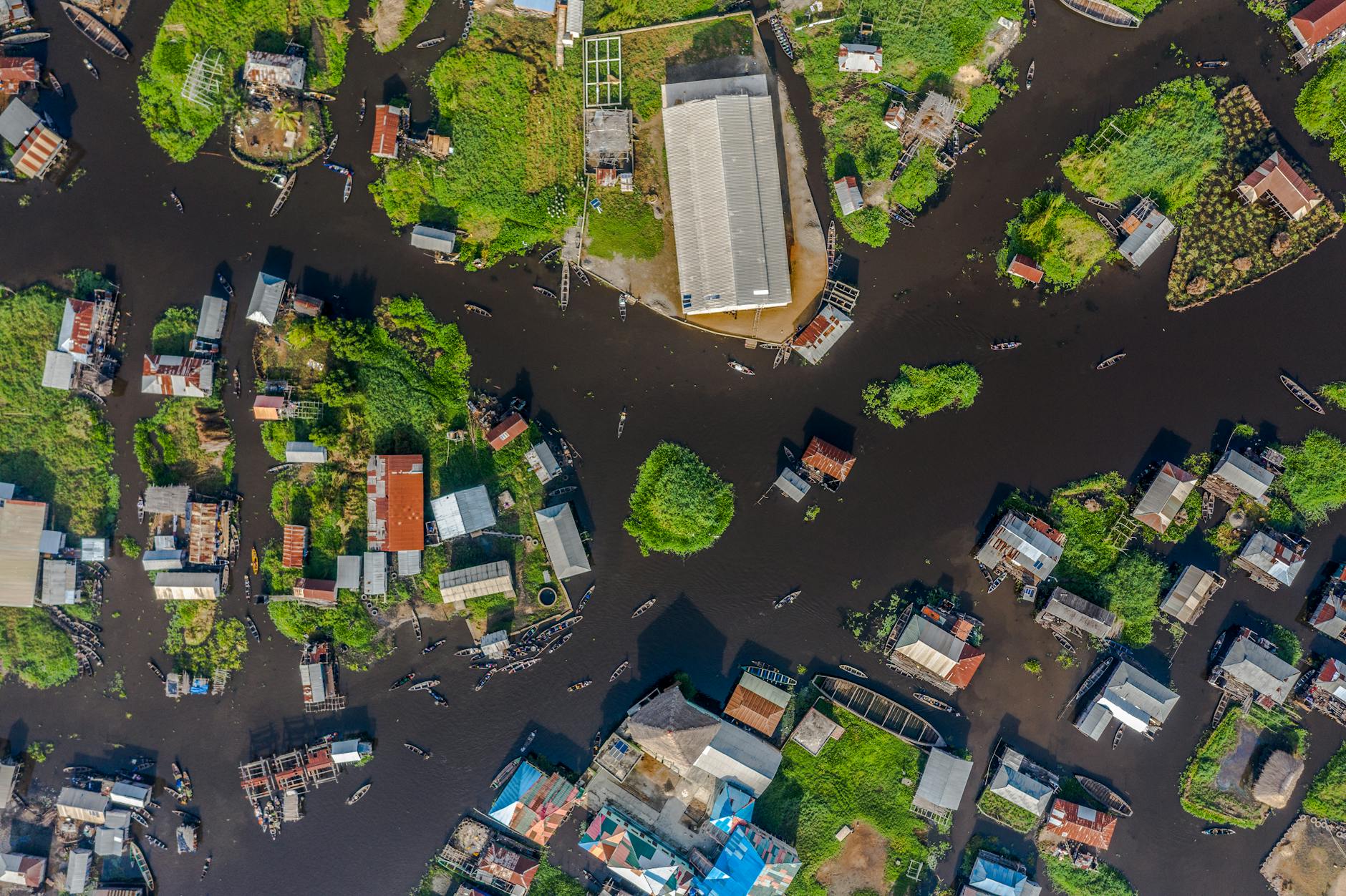
◆Ganvie - Stilt Village Tour by Pirogue
◆Ouidah - Zinsou Foundation
◆Ouidah - Door of No Return
◆Ouidah - Route of the Slaves
◆Ouidah - Zangbeto Vodun Ceremony
◆Ouidah - Afro-Brazilian House
◆Togoville - Walking Tour
◆Possotome - Pottery & Ceramic Centre
◆Togoville - Royal House & Vodun Shrine
◆Togoville - Pirogue Ride
◆Lome - Grand Marche & Art Street
◆Lome - Palais de Lome
◆Kpalime Region - Mt Agou Hike
◆Kpalime Region - Mount Klouto Hike
◆Kouma Konda - Village Walk
◆Volta Region - Wli Waterfalls
◆Volta Region - Mount Afadja Hike
◆Liati Wote - Traditional Drum & Dance
◆Accra - Osu Night Market & Street Food Tour
◆Akosombo - Volta River Boat Cruise
◆Accra - James Town Culture & Food Tour
◆Accra - Fantasy Coffin Makers
◆Elmina - Elmina (St George's) Castle Tour
◆Kakum National Park - Canopy Walkway
◆Cape Coast - Castle Guided Tour
◆Elmina - Fish Market
◆Accra - Nima Cultural & Tasting Tour
◆Accra - Artists Alliance Art Gallery
At a glance
Duration
15 days
Route
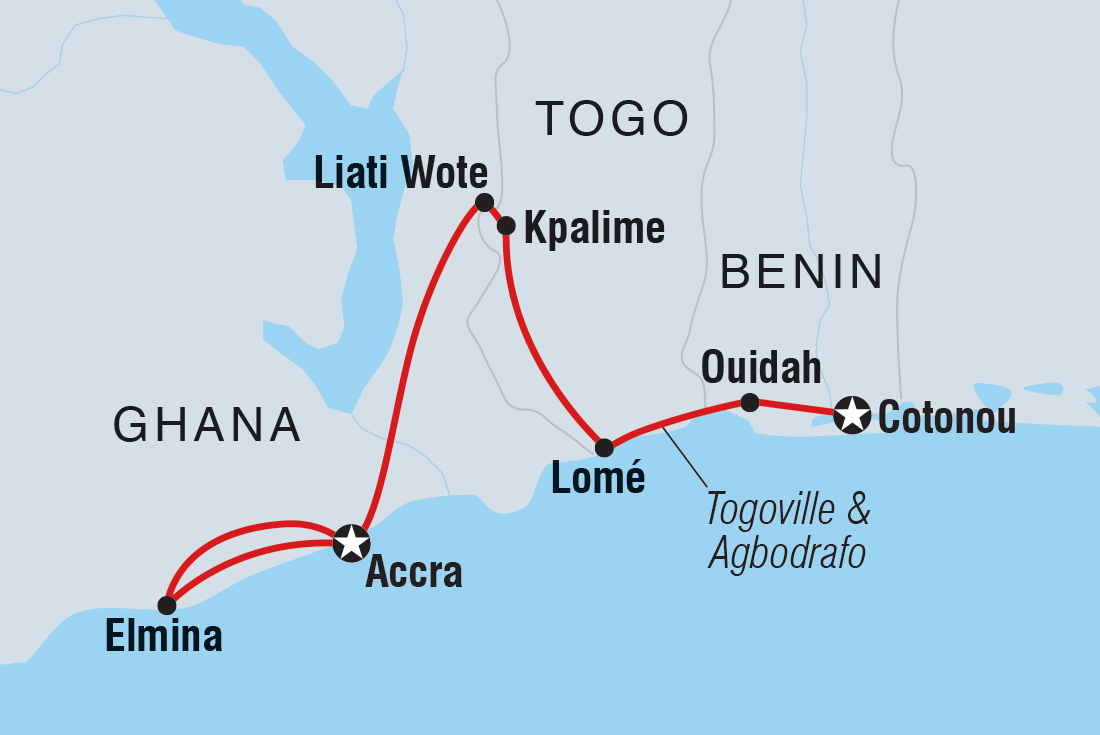
Cotonou → Accra
Countries
Benin, Ghana, Togo
Activity level
moderate
Style
Beach & Islands, Culture & History, Multi-Country / Grand Tour, National Parks & Wilderness, Trekking & Hiking, Wildlife & Safari
Group size
Max 12
Ages
15+
Flights
Not included
Solo travellers
Welcome
Where you'll go
Day by day
Your journey through
Benin, Ghana & Togo
Showing Days 1-7
15-day itinerary
Day 1Cotonou, BeninBienvenue! Welcome to Benin in West Africa. Your adventure begins in Cotonou – the largest city in Benin located on the south coast – with a welcome meeting at 6 pm tonight at your hotel. If you arrive early, maybe see the 19th-century Cotonou Cathedral with its striking red-and-white stripes or wander the Haie Vive district to visit the Fondation Zinsou Museum, which showcases some contemporary African art. After meeting your local leader and fellow group members, why not head out for an optional welcome dinner and get to know each other.
Cotonou
Bienvenue! Welcome to Benin in West Africa. Your adventure begins in Cotonou – the largest city in Benin located on the south coast – with a welcome meeting at 6 pm tonight at your hotel. If you arrive early, maybe see the 19th-century Cotonou Cathedral with its striking red-and-white stripes or wander the Haie Vive district to visit the Fondation Zinsou Museum, which showcases some contemporary African art. After meeting your local leader and fellow group members, why not head out for an optional welcome dinner and get to know each other.
Day 2Cotonou, BeninDrive to Porto Novo – Benin's capital, sitting on the shores of Lake Nokoue. When you arrive, you'll find leafy streets and a more relaxed vibe. Head out to the old city with a local guide and visit Songhai Centre – a major research centre dedicated to sustainable farming. Check out the plantations and workshops and maybe support the organisation by buying some of the centre’s produce – you can get anything from fresh quail eggs to biscuits and preserves here! After lunch, you’ll hop in a pirogue (traditional dugout canoe) and ride along the Adjara Black River, a place of significant spiritual importance to the people of this region. Drift by floating islands, trees, reeds and marsh to a secluded village and meet the locals to learn about their way of life in this rural environment. Then, visit a local distillery to learn about the process of distilling a liquor made from palm nuts. Tonight, you have a free evening to relax at the hotel.
Cotonou
Drive to Porto Novo – Benin's capital, sitting on the shores of Lake Nokoue. When you arrive, you'll find leafy streets and a more relaxed vibe. Head out to the old city with a local guide and visit Songhai Centre – a major research centre dedicated to sustainable farming. Check out the plantations and workshops and maybe support the organisation by buying some of the centre’s produce – you can get anything from fresh quail eggs to biscuits and preserves here! After lunch, you’ll hop in a pirogue (traditional dugout canoe) and ride along the Adjara Black River, a place of significant spiritual importance to the people of this region. Drift by floating islands, trees, reeds and marsh to a secluded village and meet the locals to learn about their way of life in this rural environment. Then, visit a local distillery to learn about the process of distilling a liquor made from palm nuts. Tonight, you have a free evening to relax at the hotel.
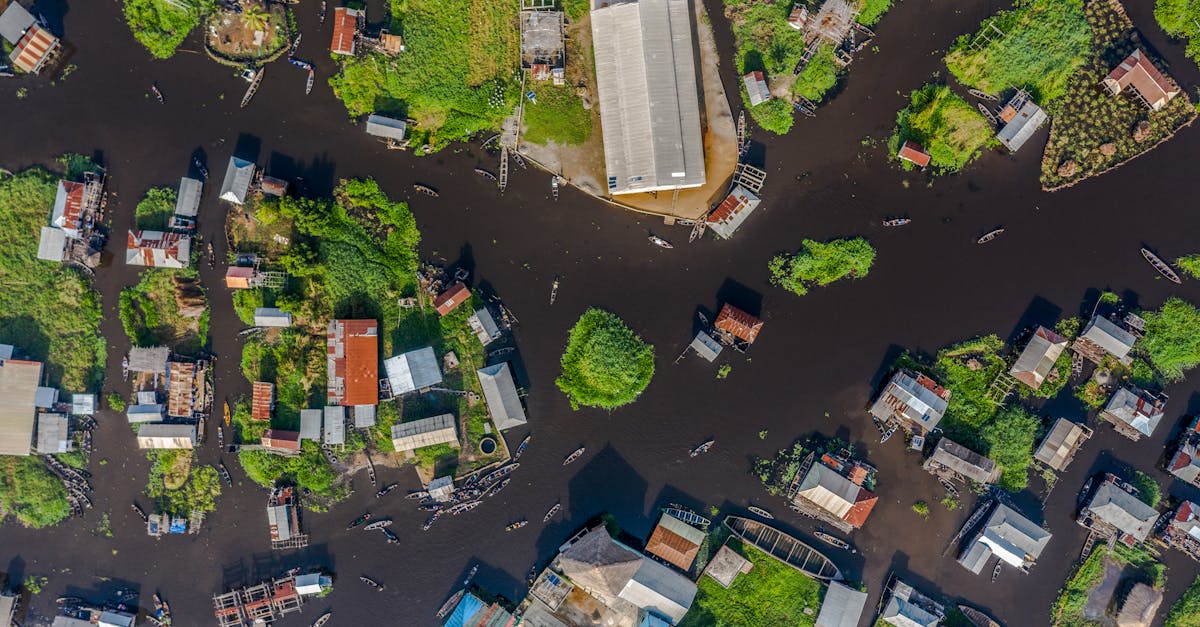
Day 3Ouidah, BeninCotonouStart the day with a visit to the Cathedral of Notre Dame, Dantokpa Market and Le Centre (Le Petit Musee de la Recade). Then, say goodbye to Cotonou and drive to Ganvie – a small village out on Lake Nokoué, home to 24,000 Tofinu people. When you arrive, you’ll hop in a pirogue and tour the stilt village created to protect the people from slave hunters. Carry on towards Ouidah, stopping at the Zinsou Foundation along the way. Learn how the foundation provides artists with the space, time, support, resources and equipment needed for art projects. Ouidah is a relaxed beach town and here, you’ll have a free evening to explore at your own pace or relax on the golden sands.
Cotonou
Start the day with a visit to the Cathedral of Notre Dame, Dantokpa Market and Le Centre (Le Petit Musee de la Recade). Then, say goodbye to Cotonou and drive to Ganvie – a small village out on Lake Nokoué, home to 24,000 Tofinu people. When you arrive, you’ll hop in a pirogue and tour the stilt village created to protect the people from slave hunters. Carry on towards Ouidah, stopping at the Zinsou Foundation along the way. Learn how the foundation provides artists with the space, time, support, resources and equipment needed for art projects. Ouidah is a relaxed beach town and here, you’ll have a free evening to explore at your own pace or relax on the golden sands.
Day 4Ouidah, BeninThis morning, visit the sobering Route of the Slaves – also known as Route des Esclaves, this UNESCO-funded memorial traces the path that slaves walked from Ouidah to the Door of No Return. See the slave auction plaza (now home to the Musee d’Histoire), the Tree of Forgetfulness (where slaves were branded with their owners’ symbols) and the Tree of Return (another tree the slaves often circled with the belief that their souls would return home after death). You’ll also see the Sacred Forest and the Afro-Brazilian House. End the day with a Zangbeto Ceremony – the traditional Vodun guardians of the night in the Yoruba religion of Benin and Togo, known as the ‘night watchmen’. In these communities, these guardians are highly revered and act as an unofficial police force, patrolling the streets, watching over the people and tracking down criminals.
This morning, visit the sobering Route of the Slaves – also known as Route des Esclaves, this UNESCO-funded memorial traces the path that slaves walked from Ouidah to the Door of No Return. See the slave auction plaza (now home to the Musee d’Histoire), the Tree of Forgetfulness (where slaves were branded with their owners’ symbols) and the Tree of Return (another tree the slaves often circled with the belief that their souls would return home after death). You’ll also see the Sacred Forest and the Afro-Brazilian House. End the day with a Zangbeto Ceremony – the traditional Vodun guardians of the night in the Yoruba religion of Benin and Togo, known as the ‘night watchmen’. In these communities, these guardians are highly revered and act as an unofficial police force, patrolling the streets, watching over the people and tracking down criminals.
Day 5Lome, TogoAfter breakfast, start your journey to Togo, stopping at Possotome along the way – a typical Fon village, where you’ll see mud houses and a Vodun pottery maker. Cross the border into Agbodrafo, then take a motorised pirogue to Togoville – the former seat of the Mlapa dynasty and Togo’s historical centre of Vodun. See the ancient German Cathedral, the museum of the King of Togoville and a shrine dedicated to Vodun. After soaking up some of the local history, continue to your hotel in Lome – the capital of Togo – where you’ll have a free evening.
After breakfast, start your journey to Togo, stopping at Possotome along the way – a typical Fon village, where you’ll see mud houses and a Vodun pottery maker. Cross the border into Agbodrafo, then take a motorised pirogue to Togoville – the former seat of the Mlapa dynasty and Togo’s historical centre of Vodun. See the ancient German Cathedral, the museum of the King of Togoville and a shrine dedicated to Vodun. After soaking up some of the local history, continue to your hotel in Lome – the capital of Togo – where you’ll have a free evening.
Day 6Lome, TogoToday you’ll be exploring Lome with your local leader. After breakfast, visit the Palais de Lome where the president resides. Continue to the Grand Marche. This market is a hub for local food and also the realm of the famous ‘Nana Benz’ – a club of successful businesswomen dating back to the 1950s, known for controlling the trade of Dutch wax prints and riding around in Mercedes Benzes. Wander the market with your leader, and find everything from Togolese football tops to cheap cosmetics and walk down Art Street (also known as the Artisans’ Village) and see its craft vendors.
Today you’ll be exploring Lome with your local leader. After breakfast, visit the Palais de Lome where the president resides. Continue to the Grand Marche. This market is a hub for local food and also the realm of the famous ‘Nana Benz’ – a club of successful businesswomen dating back to the 1950s, known for controlling the trade of Dutch wax prints and riding around in Mercedes Benzes. Wander the market with your leader, and find everything from Togolese football tops to cheap cosmetics and walk down Art Street (also known as the Artisans’ Village) and see its craft vendors.
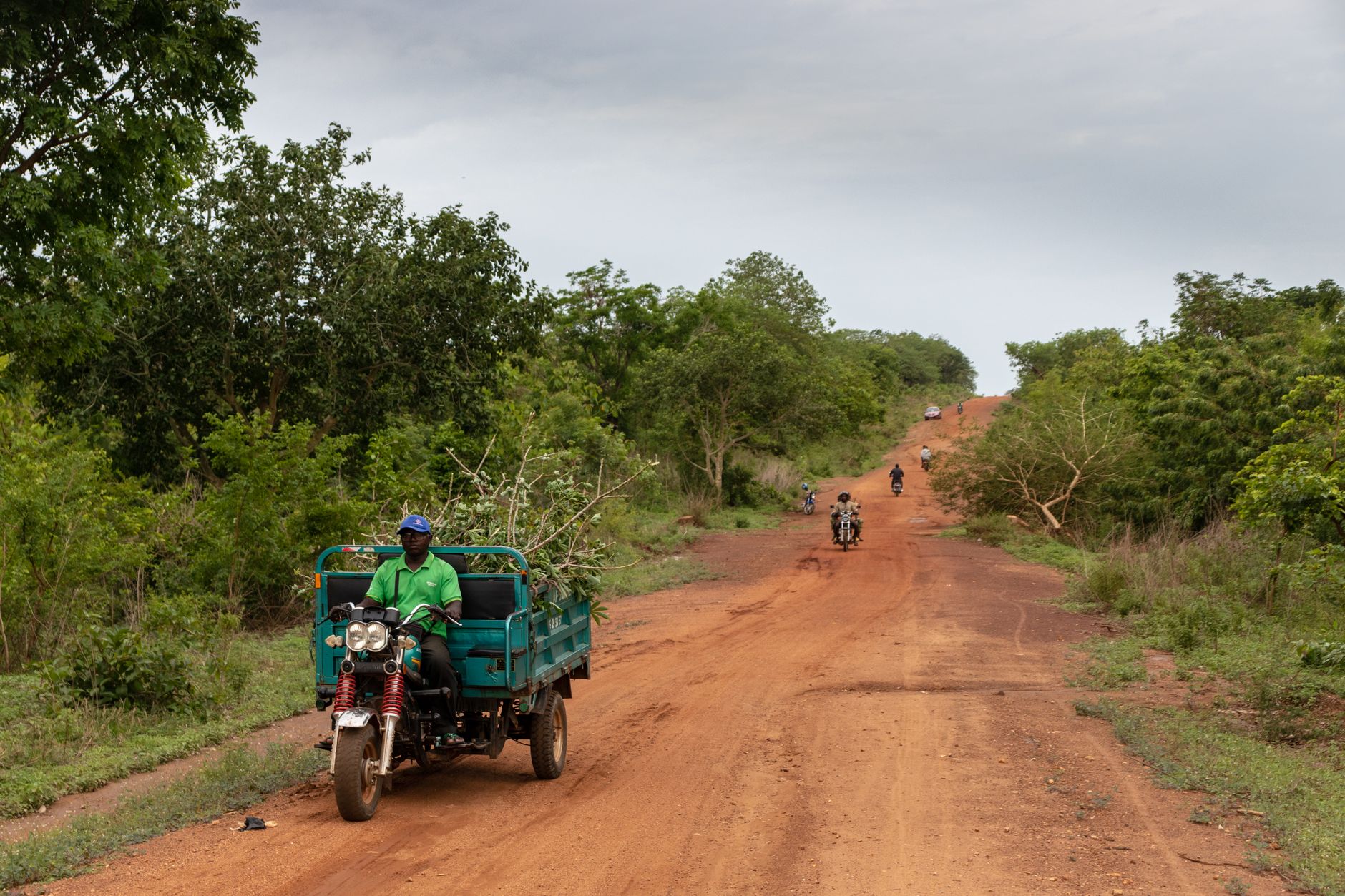
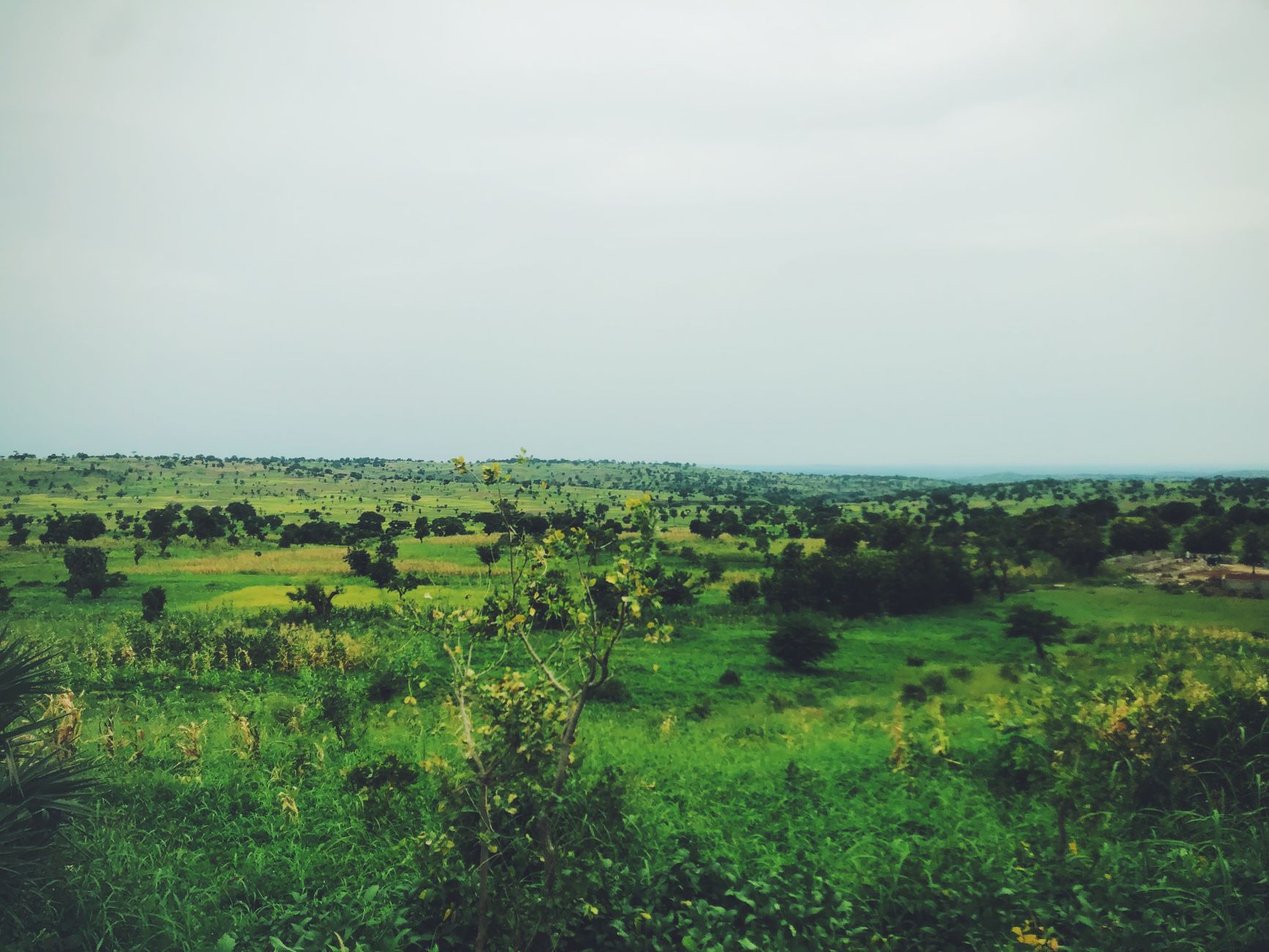
Day 7Kpalime, TogoMake your way to Kpalime – hidden among the forested hills of the cocoa and coffee region, this town offers some of Togo’s best scenery and hiking trails. On the way, stop at Nyobo village to hike up Mt Agou – Togo’s highest peak. The trail meanders between backyards, forests and cocoa and coffee plantations. Small terraced mountain villages pepper the slopes and you’ll be treated to some great views – on a clear day, you can even see Lake Volta in Ghana!
Make your way to Kpalime – hidden among the forested hills of the cocoa and coffee region, this town offers some of Togo’s best scenery and hiking trails. On the way, stop at Nyobo village to hike up Mt Agou – Togo’s highest peak. The trail meanders between backyards, forests and cocoa and coffee plantations. Small terraced mountain villages pepper the slopes and you’ll be treated to some great views – on a clear day, you can even see Lake Volta in Ghana!
1 / 3
What's included
Included
✓Hike in Ghana's Volta Region – home to lush farmlands, waterfalls and rolling hills – and in the Kpalime Region in Togo, surrounded by coffee and cocoa plantations.
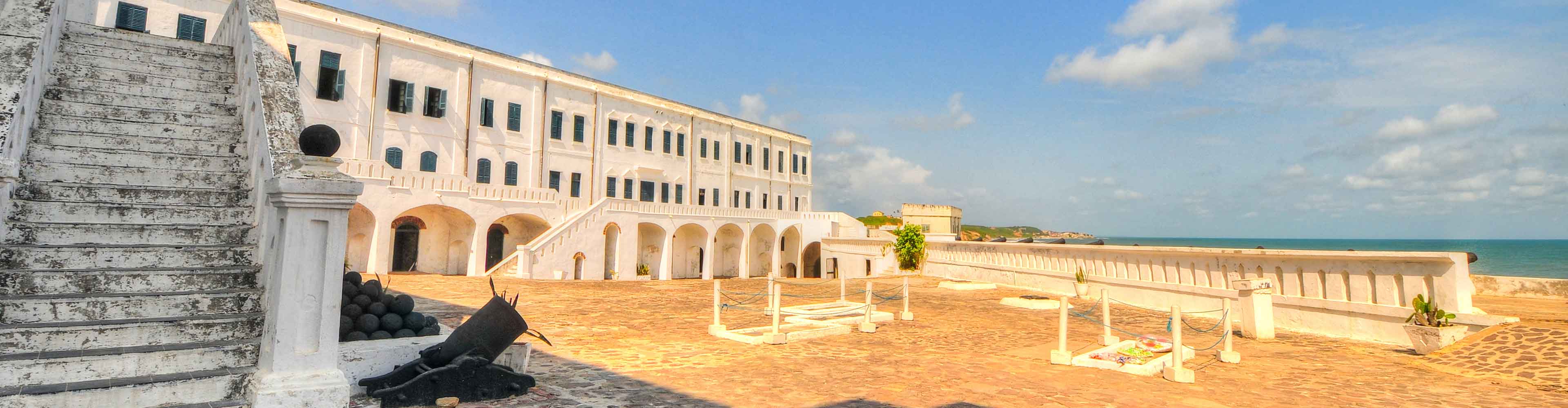
✓Discover the sobering history of Ghana’s Slave Coast, with visits to coastal slave forts and castles, like Cape Coast Castle and Elmina Castle. Wander the lavish architecture as you learn about the grim history of slave trade in this region.
✓Experience a Vodun ceremony, which showcases the traditional spiritual practices brought to the Americas by enslaved Africans. These practices merged with Indigenous and European religions, evolving into Voodoo in Louisiana, Hoodoo in the Dominican Republic and Vodou in Haiti.
✓Visit small villages and markets to rub shoulders with the locals, and gain insight into how they live, prepare their food and celebrate their culture. At the Ganvie stilt village, you’ll get a special insight into the history of the people and how they live on the water with a boat tour through the village.
✓Spend a few days in Accra, Ghana's capital – here, you’ll go on a tasting tour in James Town (the old part of the city), visit fantasy coffin makers to learn how the local people respect the dead and tour Nima with visits to local houses and markets.
TripFinder compares the available catalog facts and Brandi Leanna can handle the booking — and you pay the same as booking Intrepid Travel direct, never more, because the operator pays our commission. You travel under the operator's terms; final price and availability are confirmed before purchase.
 Cotonou
 Cotonou
 Cotonou