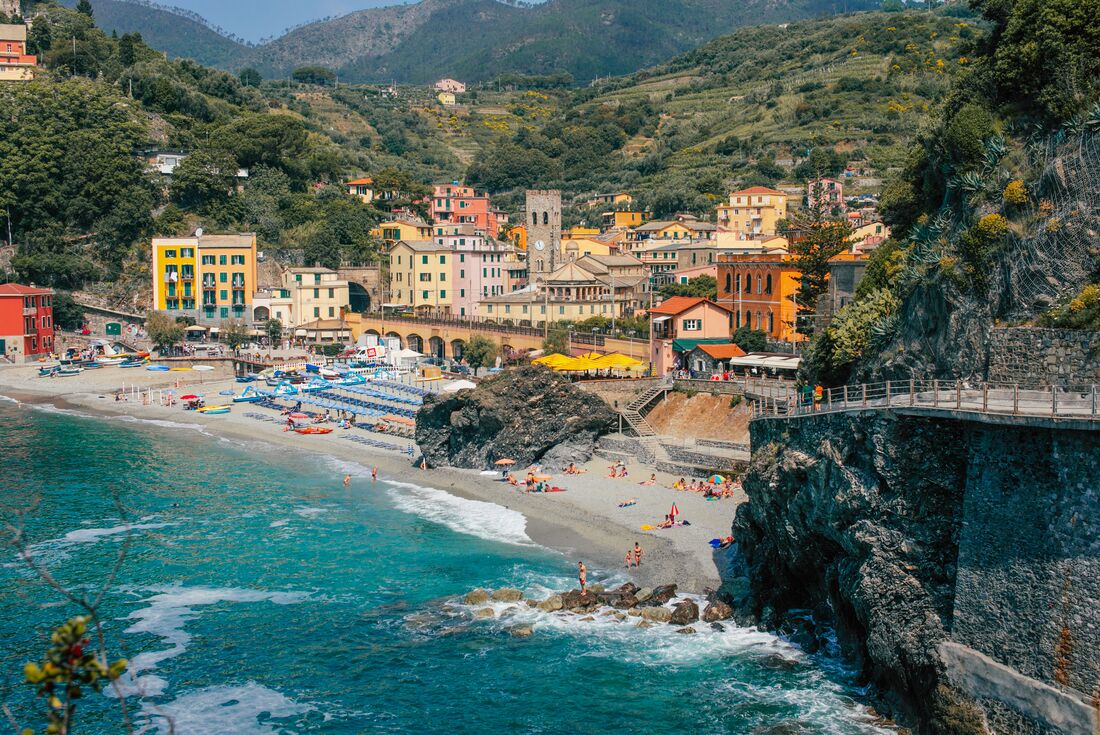
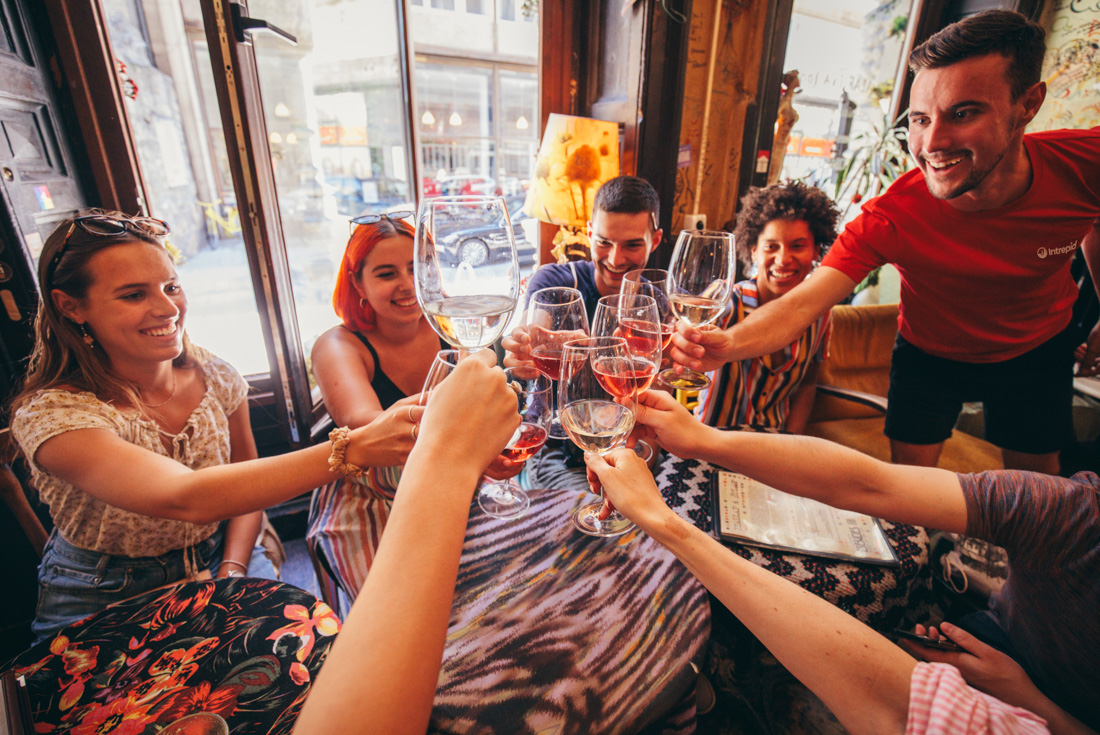
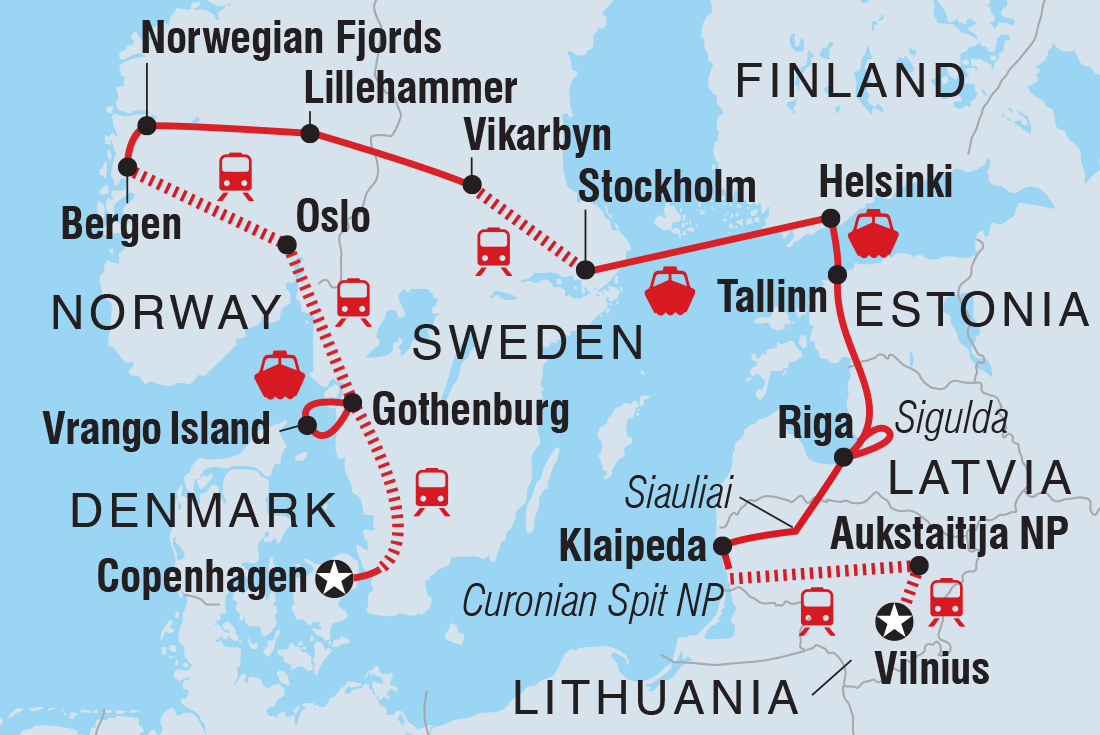
Do as the locals do on this 32-day adventure from Copenhagen to Vilnius. See the medieval spires of Tallinn, discover the funky bars of Riga and the Baroque-style of Vilnius and kayak on Lithuanian lakes. Visit Norway's uber-cool Oslo, travel to Sweden's vibrant Stockholm and explore Finland's hip Helsinki. Uncover a Viking past, learn of maritime heritage and embrace the Swedish ‘lagom’ lifestyle in the countryside. Hear stories directly from locals, wander the cobbled streets of Gothenburg and try some traditional cinnamon rolls at a Swedish coffee house.
◆Copenhagen - bike tour
◆Copenhagen - 24h public transport pass
◆Copenhagen - Street Voices guided tour
◆Vrango Island - Day Trip
◆Vrango Island - Island Tour with Local Guide (Oct to Apr)
◆Vrango Island - Sea Kayaking (May to Sep)
◆
Gothenburg - 24h public transport pass
◆Alingsas - Guided Fika experience
◆Oslo - Leader Led Walk
◆Oslo - Leader-led orientation walk
◆Bergen - Floy Mountain Funicular round trip
◆Gudvangen - Naeroyfjord Boat Cruise to Flam (one way)
◆Lillehammer - Maihaugen Open Air Museum
◆Lake Siljan - Cultural Village tour with picnic lunch
◆Stockholm - Orientation Walk
◆Stockholm - 3 day public transport pass
◆Stockholm - Vasa Museum
◆Helsinki - Orientation Walk
◆Tallinn - Leader led orientation walk
◆Sigulda - Gauja River Cable Car
◆Sigulda - Day Trip
◆Sigulda - Turaida Castle Guided Tour
◆Riga - Leader led orientation walk
◆Siauliai - Hill of Crosses
◆Curonian Spit - Full Day Trip to the National Park
◆Curonian Spit - Dead Dunes visit
◆Aukstaitija National Park - Guided Kayak Trip
At a glance
Duration
32 days
Route
Copenhagen → Vilnius
Countries
Denmark, Estonia, Finland, Latvia, Lithuania, Norway, Sweden
Activity level
easy
Style
Beach & Islands, Culture & History, Multi-Country / Grand Tour, National Parks & Wilderness
Group size
Max 12
Ages
15+
Flights
Not included
Solo travellers
Welcome
Where you'll go
Day by day
Your journey through
Denmark
Showing Days 1-7
14-day itinerary
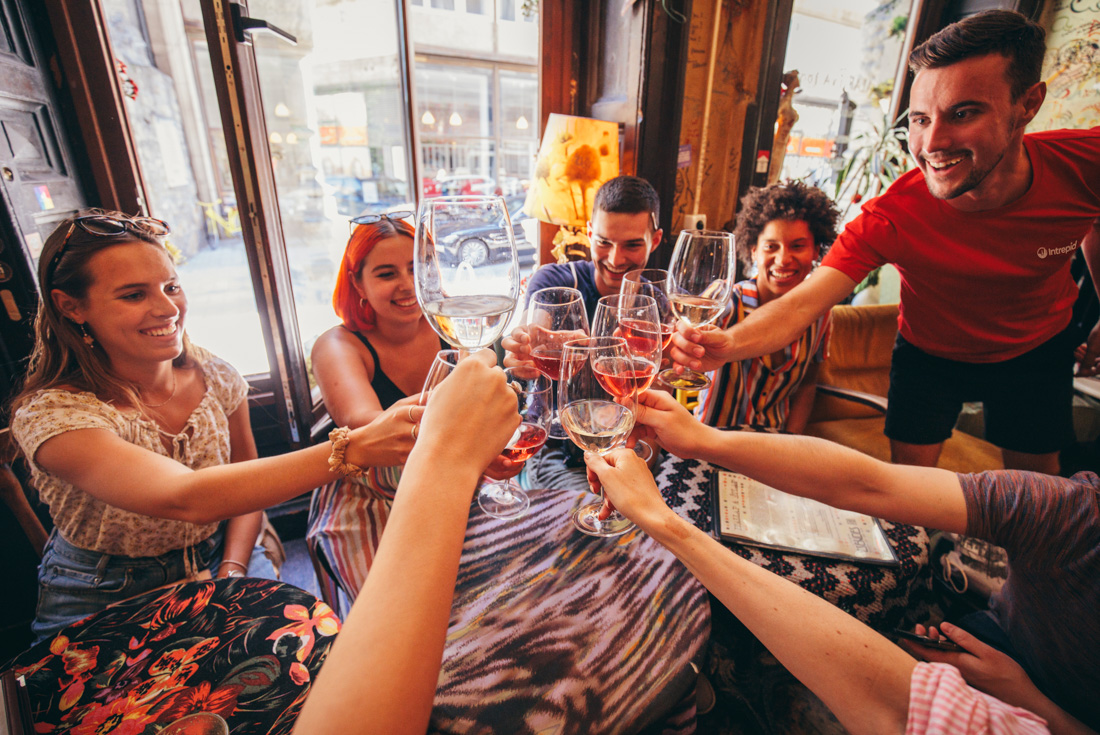
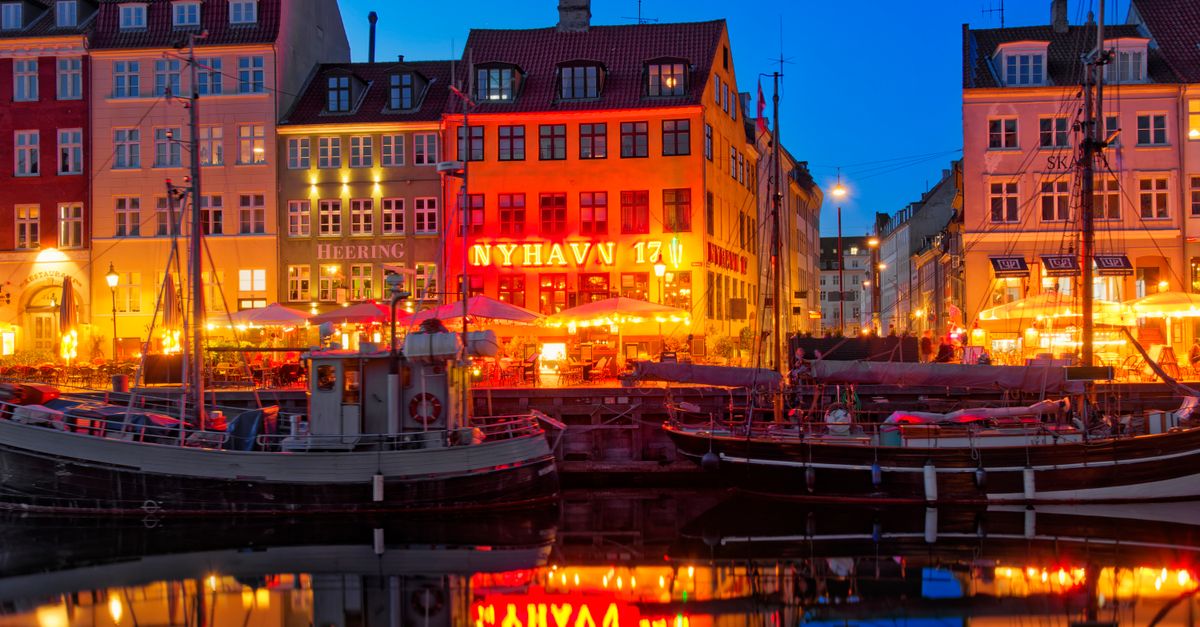
Day 1CopenhagenHej! Welcome to Denmark. Your adventure begins in Copenhagen – if you arrive early, which is highly recommended, why not visit the pastel-coloured waterfront houses in the Nyhavn area. You could drop in at an industrial-chic bar for a drink or stroll around the famous Tivoli Gardens, home to one of the world's oldest rollercoasters. Another area worth checking out is Norrebro, a residential area known for its wide range of restaurants. You’ll have a welcome meeting at 6 pm to meet your local leader and the other travellers who will be joining you for the trip. After the meeting, head out for an optional welcome dinner where you can get to know your group over some tasty Danish cuisine.
Copenhagen
Hej! Welcome to Denmark. Your adventure begins in Copenhagen – if you arrive early, which is highly recommended, why not visit the pastel-coloured waterfront houses in the Nyhavn area. You could drop in at an industrial-chic bar for a drink or stroll around the famous Tivoli Gardens, home to one of the world's oldest rollercoasters. Another area worth checking out is Norrebro, a residential area known for its wide range of restaurants. You’ll have a welcome meeting at 6 pm to meet your local leader and the other travellers who will be joining you for the trip. After the meeting, head out for an optional welcome dinner where you can get to know your group over some tasty Danish cuisine.
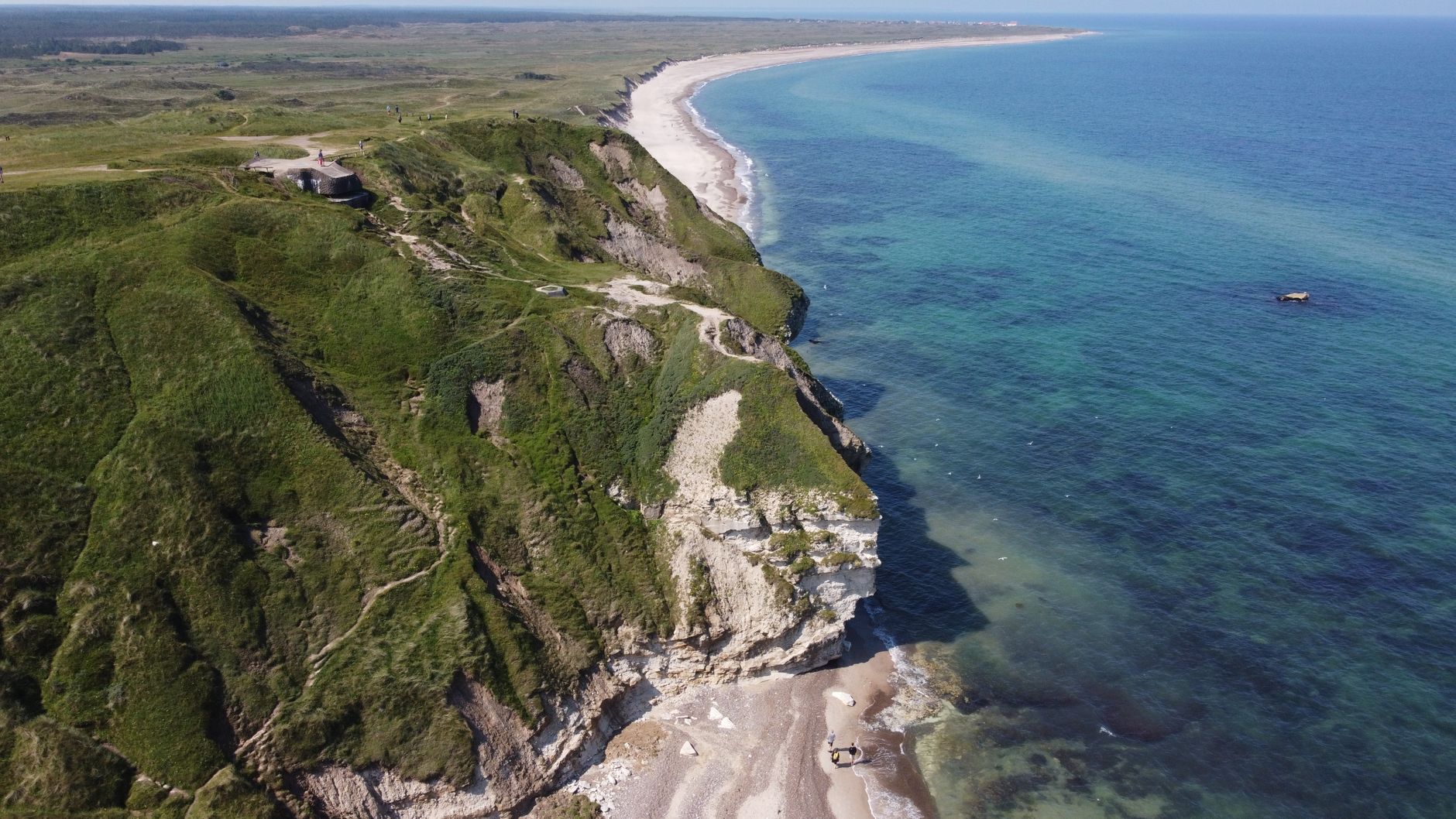
Day 2CopenhagenWhen in Copenhagen, do as the locals do – explore the city by bike! This is undoubtedly the best way to explore the city's many hidden corners, and the bike-friendly streets make it a breeze to get to all the major sites. The afternoon is free for you to keep exploring at your own pace. Stroll along the harbor or head to the 18th-century Amalienborg Palace, which is still the main residence of the Danish royal family. Maybe pay a visit to Frederik's Church (AKA the Marble Church), the Court House on Nytorv Square or the City Hall, with its red brick facade. Alternatively, the National Museum is a must-see, as is Christiansborg Palace. In summer, you can even choose to join the locals and take a refreshing dip in the free harbor baths located in the city centre.
Copenhagen
When in Copenhagen, do as the locals do – explore the city by bike! This is undoubtedly the best way to explore the city's many hidden corners, and the bike-friendly streets make it a breeze to get to all the major sites. The afternoon is free for you to keep exploring at your own pace. Stroll along the harbor or head to the 18th-century Amalienborg Palace, which is still the main residence of the Danish royal family. Maybe pay a visit to Frederik's Church (AKA the Marble Church), the Court House on Nytorv Square or the City Hall, with its red brick facade. Alternatively, the National Museum is a must-see, as is Christiansborg Palace. In summer, you can even choose to join the locals and take a refreshing dip in the free harbor baths located in the city centre.
Day 3Vrango IslandSee Copenhagen through a different lens this morning – join a local guide from Street Voices, a company with a mission to enhance quality of life for socially vulnerable people, aiming to give voice to their stories. You’ll hear personal stories about your local guide’s everyday struggles and gain insight into the reality of life on the streets in Copenhagen. This afternoon, take a train to Gothenburg, then board a ferry to Vrango Island, where you'll spend the night.
Vrango Island
See Copenhagen through a different lens this morning – join a local guide from Street Voices, a company with a mission to enhance quality of life for socially vulnerable people, aiming to give voice to their stories. You’ll hear personal stories about your local guide’s everyday struggles and gain insight into the reality of life on the streets in Copenhagen. This afternoon, take a train to Gothenburg, then board a ferry to Vrango Island, where you'll spend the night.
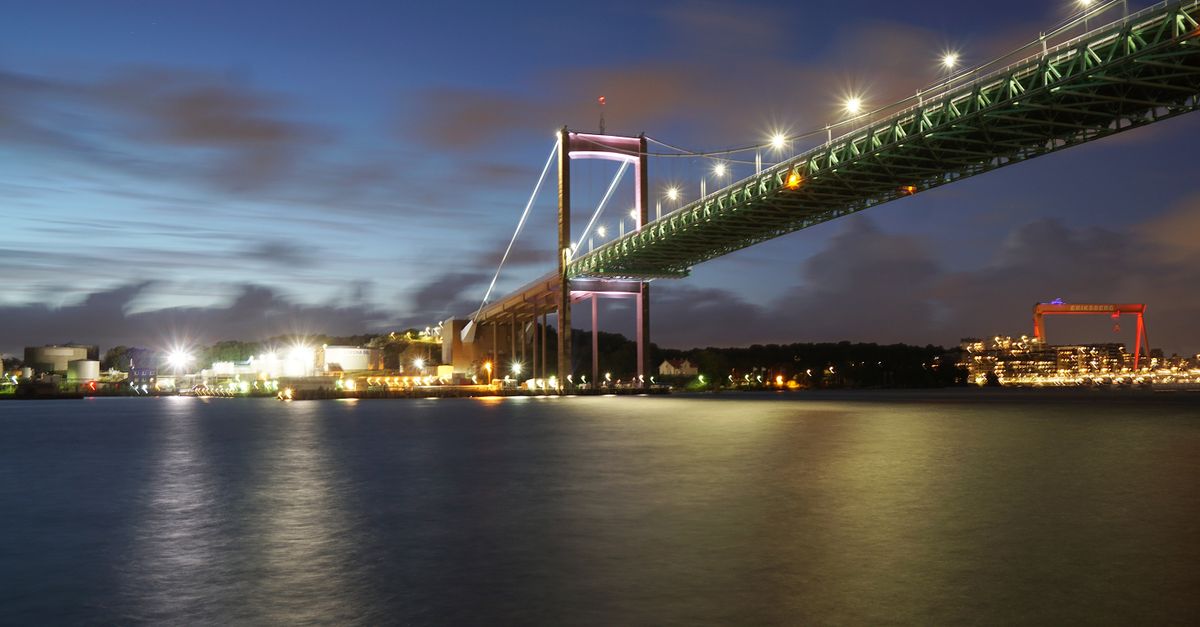
Day 4GothenburgToday, you’ll explore Vrango – the most southerly island of the Gothenburg archipelago, with a population of just a few hundred and a strong fishing industry. The island is known for its stunning beaches and protected nature reserves – in the summer, you'll explore the coastline in an included kayaking activity. In the afternoon, enjoy some free time to stroll around the town, then return to Gothenburg for a free evening. Sweden's second largest city is known as one of the world's most sustainable destinations and is exemplary of what a responsible tourism destination should look like.
Gothenburg
Today, you’ll explore Vrango – the most southerly island of the Gothenburg archipelago, with a population of just a few hundred and a strong fishing industry. The island is known for its stunning beaches and protected nature reserves – in the summer, you'll explore the coastline in an included kayaking activity. In the afternoon, enjoy some free time to stroll around the town, then return to Gothenburg for a free evening. Sweden's second largest city is known as one of the world's most sustainable destinations and is exemplary of what a responsible tourism destination should look like.
Day 5GothenburgThis morning, head to Alingsas, regarded as the capital of fika – a Swedish tradition of pausing during the day for a coffee and cake break. You'll be guided by a local expert on a tour of some of the town's best traditional cafes. Learn about the local love affair with coffee and discover the story behind this town's special cafe culture. Sample Swedish cinnamon buns, biscuits, chocolate truffles, pastries and sandwiches. You'll return to Gothenburg in the late afternoon and have a little time to explore at your leisure. Maybe visit the Gothenburg City Museum, housed in the historic East India Company building, which was built in the 18th century when Gothenburg was a major maritime trading centre. Take in the architecture at Gustav Adolfs Torg, go shopping along the main boulevard Avenyn, check out the iconic Skansen Kronan, stroll along bohemian Langgatan street or sip a coffee in the charming Haga district, known for its traditional wooden houses.
Gothenburg
This morning, head to Alingsas, regarded as the capital of fika – a Swedish tradition of pausing during the day for a coffee and cake break. You'll be guided by a local expert on a tour of some of the town's best traditional cafes. Learn about the local love affair with coffee and discover the story behind this town's special cafe culture. Sample Swedish cinnamon buns, biscuits, chocolate truffles, pastries and sandwiches. You'll return to Gothenburg in the late afternoon and have a little time to explore at your leisure. Maybe visit the Gothenburg City Museum, housed in the historic East India Company building, which was built in the 18th century when Gothenburg was a major maritime trading centre. Take in the architecture at Gustav Adolfs Torg, go shopping along the main boulevard Avenyn, check out the iconic Skansen Kronan, stroll along bohemian Langgatan street or sip a coffee in the charming Haga district, known for its traditional wooden houses.
Day 6OsloCatch a bus across the border to Norway's capital, Oslo. Your leader will take you on an orientation walk so you get to know this quirky, colourful city. It's highly recommended you spend the afternoon perusing delicacies at Maschmanns Food Market, admiring the handiwork of glass blowers at Hadeland Glassverk or simply strolling along Karl Johans Gate, the main shopping strip of the city. Maybe head to the Munch Museum to glimpse Edvard Munch's famous 19th-century painting, The Scream. In the evening, say 'skal' ('cheers') over dinner with your group. Why not seek out some traditional Norwegian fare – cod and mackerel are very typical menu staples.
Oslo
Catch a bus across the border to Norway's capital, Oslo. Your leader will take you on an orientation walk so you get to know this quirky, colourful city. It's highly recommended you spend the afternoon perusing delicacies at Maschmanns Food Market, admiring the handiwork of glass blowers at Hadeland Glassverk or simply strolling along Karl Johans Gate, the main shopping strip of the city. Maybe head to the Munch Museum to glimpse Edvard Munch's famous 19th-century painting, The Scream. In the evening, say 'skal' ('cheers') over dinner with your group. Why not seek out some traditional Norwegian fare – cod and mackerel are very typical menu staples.
Day 7OsloToday is a free day for you to enjoy all this city has to offer. You may like to roam the roof of the Olso Opera House, stroll the avenues of Vigeland Park or catch a ferry to the Viking Ship Museum. Meet your new group in the evening and perhaps head out for a drink or dinner and get to know any new travellers joining you.
Oslo
Today is a free day for you to enjoy all this city has to offer. You may like to roam the roof of the Olso Opera House, stroll the avenues of Vigeland Park or catch a ferry to the Viking Ship Museum. Meet your new group in the evening and perhaps head out for a drink or dinner and get to know any new travellers joining you.
1 / 2
Your journey through
Sweden
Day 15VikarbynBoard a private bus today and cross the border into Sweden. Head to the lakeside town of Rattvik – a laidback spot that sits on the shores of Lake Siljan. Rattvik is steeped in history and culture – it’s situated in Dalarna County in the heart of Sweden and is famous for the Dala wooden horse, which has become a Swedish national symbol. Tonight, you’ll stay in a peaceful spot located 7 km outside of Rattvik.
Vikarbyn
Board a private bus today and cross the border into Sweden. Head to the lakeside town of Rattvik – a laidback spot that sits on the shores of Lake Siljan. Rattvik is steeped in history and culture – it’s situated in Dalarna County in the heart of Sweden and is famous for the Dala wooden horse, which has become a Swedish national symbol. Tonight, you’ll stay in a peaceful spot located 7 km outside of Rattvik.
Day 16VikarbynThis morning, you'll get a chance to get under the surface of this region with a special guided village safari led by local experts. You'll get to know the history behind the villages and learn about the traditions of the area surrounding Lake Siljan. Discover the traditional local way of life and mingle with the villagers. Then, the rest of the day is free for you to explore the local area and its lakes. Maybe take a leisurely boat trip across the lake, do some fishing, go for a hike or browse the local shops selling artisanal wares.
Vikarbyn
This morning, you'll get a chance to get under the surface of this region with a special guided village safari led by local experts. You'll get to know the history behind the villages and learn about the traditions of the area surrounding Lake Siljan. Discover the traditional local way of life and mingle with the villagers. Then, the rest of the day is free for you to explore the local area and its lakes. Maybe take a leisurely boat trip across the lake, do some fishing, go for a hike or browse the local shops selling artisanal wares.
Your journey through
Denmark
Day 17StockholmLeaving the Swedish lakes behind, head to the country's capital of Stockholm by train. Often referred to as the 'Venice of the North', Stockholm is full of impressive architecture, pristine parks and clear waters. After an introductory orientation walk, use the rest of your day to settle into your accommodation and explore the area around you. You could head underground for the world’s longest art exhibition – connecting the 14 islands of the city, the subway (Tunnelbana) system's 100 stations are like the longest modern art exhibition in the world, featuring artwork from more than 140 artists. Or, you could simply wander the narrow cobblestone streets and the colourful merchant houses. Why not soak up the culture and try a cinnamon roll in Stockholm’s oldest cafe – Sundbergs Konditori, located in Jarntorget square.
Stockholm
Leaving the Swedish lakes behind, head to the country's capital of Stockholm by train. Often referred to as the 'Venice of the North', Stockholm is full of impressive architecture, pristine parks and clear waters. After an introductory orientation walk, use the rest of your day to settle into your accommodation and explore the area around you. You could head underground for the world’s longest art exhibition – connecting the 14 islands of the city, the subway (Tunnelbana) system's 100 stations are like the longest modern art exhibition in the world, featuring artwork from more than 140 artists. Or, you could simply wander the narrow cobblestone streets and the colourful merchant houses. Why not soak up the culture and try a cinnamon roll in Stockholm’s oldest cafe – Sundbergs Konditori, located in Jarntorget square.
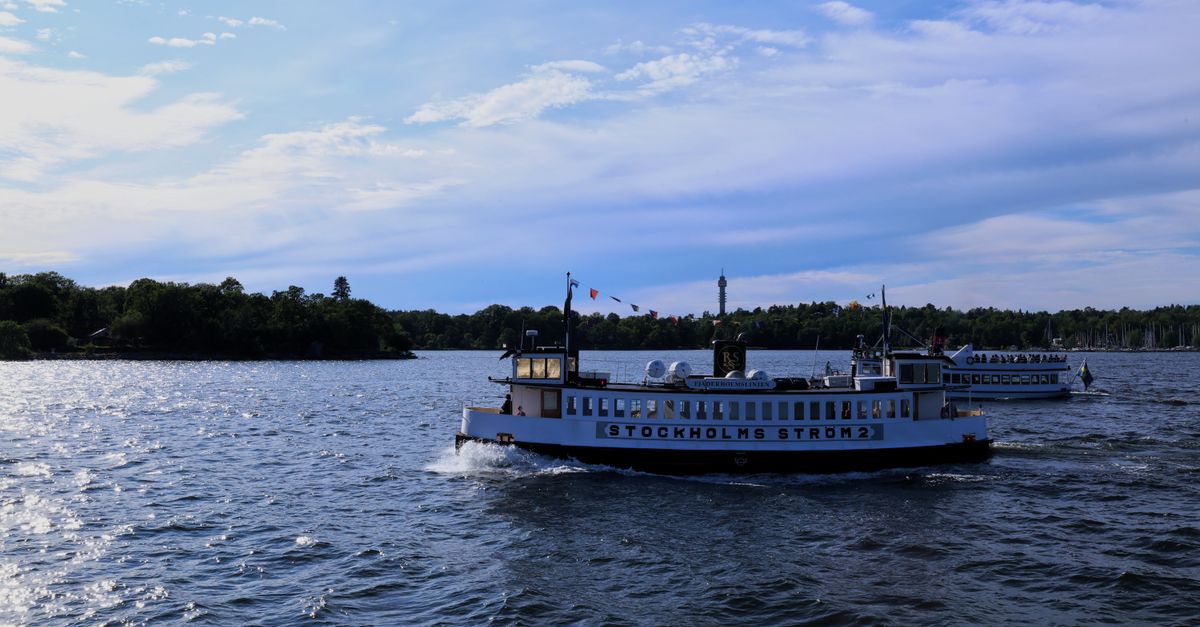
Day 18StockholmAfter breakfast, visit the Vasa Museum on the inner-city island of Djurgarden. The 17th-century warship, Vasa, sank in Stockholm Harbour in 1628 on its first voyage. Its wreckage was recovered in 1961. One of the most visited sites in Sweden, the Vasa Museum collection consists of the Vasa itself and all the objects that were found within the ship. The rest of the afternoon is free for you to explore as you wish, so why not leave the city behind for a few hours and see the waterways of Stockholm on a cruise past tiny islets and along narrow waterways? Or consider taking a self-guided Millennium Trilogy Walking Tour or a visit to the Abba Museum. Alternatively, you could take a trip to Drottningholm Palace, the residence of the Swedish royal family. Tonight, maybe head to Stockholm's Sodermalm district – the inner-city island with the best nightlife, full of cool shops, bars and cafes. You might like to have dinner at one of the city’s renowned restaurants on the cobblestoned islet of Gamla Stan or on Kungsholmen.
Stockholm
After breakfast, visit the Vasa Museum on the inner-city island of Djurgarden. The 17th-century warship, Vasa, sank in Stockholm Harbour in 1628 on its first voyage. Its wreckage was recovered in 1961. One of the most visited sites in Sweden, the Vasa Museum collection consists of the Vasa itself and all the objects that were found within the ship. The rest of the afternoon is free for you to explore as you wish, so why not leave the city behind for a few hours and see the waterways of Stockholm on a cruise past tiny islets and along narrow waterways? Or consider taking a self-guided Millennium Trilogy Walking Tour or a visit to the Abba Museum. Alternatively, you could take a trip to Drottningholm Palace, the residence of the Swedish royal family. Tonight, maybe head to Stockholm's Sodermalm district – the inner-city island with the best nightlife, full of cool shops, bars and cafes. You might like to have dinner at one of the city’s renowned restaurants on the cobblestoned islet of Gamla Stan or on Kungsholmen.
Day 19Stockholm / Overnight FerryToday is free for you to enjoy your last day in Sweden, so get out and about to explore any of the sites you haven’t gotten around to yet. In the evening, you'll board an overnight ferry for Helsinki, Finland.
Stockholm
Today is free for you to enjoy your last day in Sweden, so get out and about to explore any of the sites you haven’t gotten around to yet. In the evening, you'll board an overnight ferry for Helsinki, Finland.
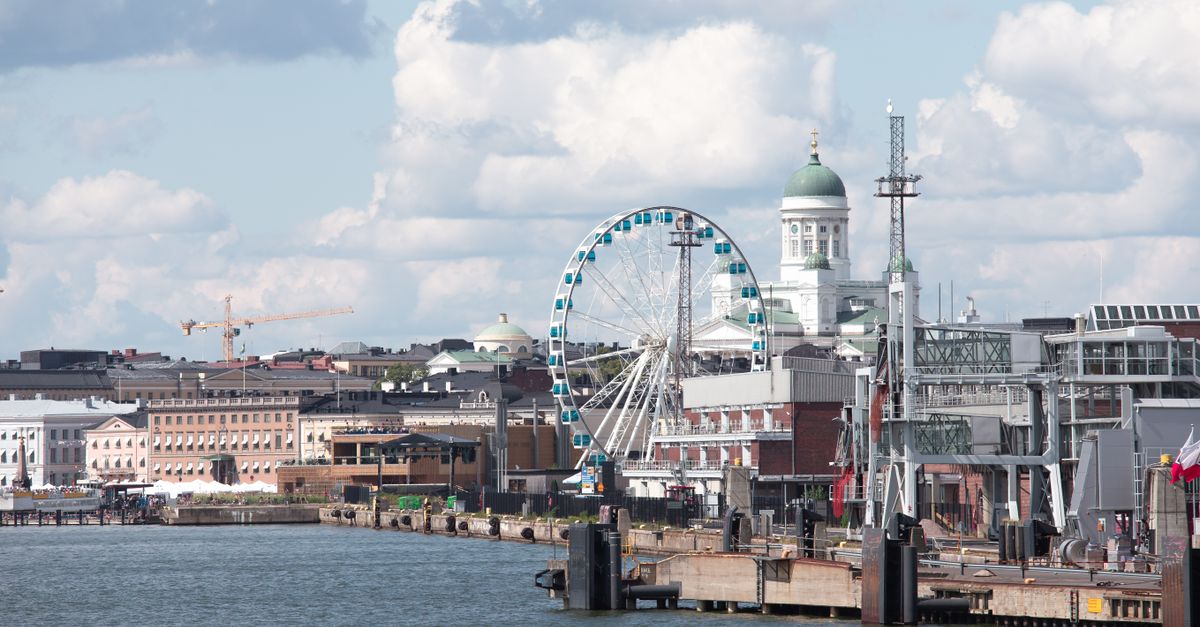
Day 20HelsinkiArrive at Helsinki's port in the morning, then take public transport to your hotel. Join your leader for a short orientation walk to get to know the historical sites and gastronomic wonders of Helsinki, then the rest of today is free for you to explore the city however you like. You might like to visit the city's cathedral, the Design Museum, the waterfront market or the Old Market Hall for local delicacies. You could also take a short ferry ride to the UNESCO World Heritage-listed Suomenlinna sea fortress. Throughout its 450-year history, Helsinki has often been the buffer between the east and the west. This is shown in the local cuisine, with a mix of root vegetables, berries and fresh fish featuring heavily in many dishes. Consider heading out in the evening to try some traditional dishes at dinner with your group.
Helsinki
Arrive at Helsinki's port in the morning, then take public transport to your hotel. Join your leader for a short orientation walk to get to know the historical sites and gastronomic wonders of Helsinki, then the rest of today is free for you to explore the city however you like. You might like to visit the city's cathedral, the Design Museum, the waterfront market or the Old Market Hall for local delicacies. You could also take a short ferry ride to the UNESCO World Heritage-listed Suomenlinna sea fortress. Throughout its 450-year history, Helsinki has often been the buffer between the east and the west. This is shown in the local cuisine, with a mix of root vegetables, berries and fresh fish featuring heavily in many dishes. Consider heading out in the evening to try some traditional dishes at dinner with your group.
Day 21HelsinkiUse your free time getting under the skin of diverse Helsinki, which combines elements of Scandinavia, the Baltics and neighbouring Russia in its character. Make sure you spend some time on senate square to see the sights surrounding it. You may want to consider purchasing the Helsinki Card – an economical way to travel on Helsinki City Transport (HKL) services, as well as free admission to the main Helsinki sights and nearly 50 museums. This evening, be sure to attend another briefing, where some new travellers may be joining you for the next stage of your adventure.
Helsinki
Use your free time getting under the skin of diverse Helsinki, which combines elements of Scandinavia, the Baltics and neighbouring Russia in its character. Make sure you spend some time on senate square to see the sights surrounding it. You may want to consider purchasing the Helsinki Card – an economical way to travel on Helsinki City Transport (HKL) services, as well as free admission to the main Helsinki sights and nearly 50 museums. This evening, be sure to attend another briefing, where some new travellers may be joining you for the next stage of your adventure.
Your journey through
Estonia
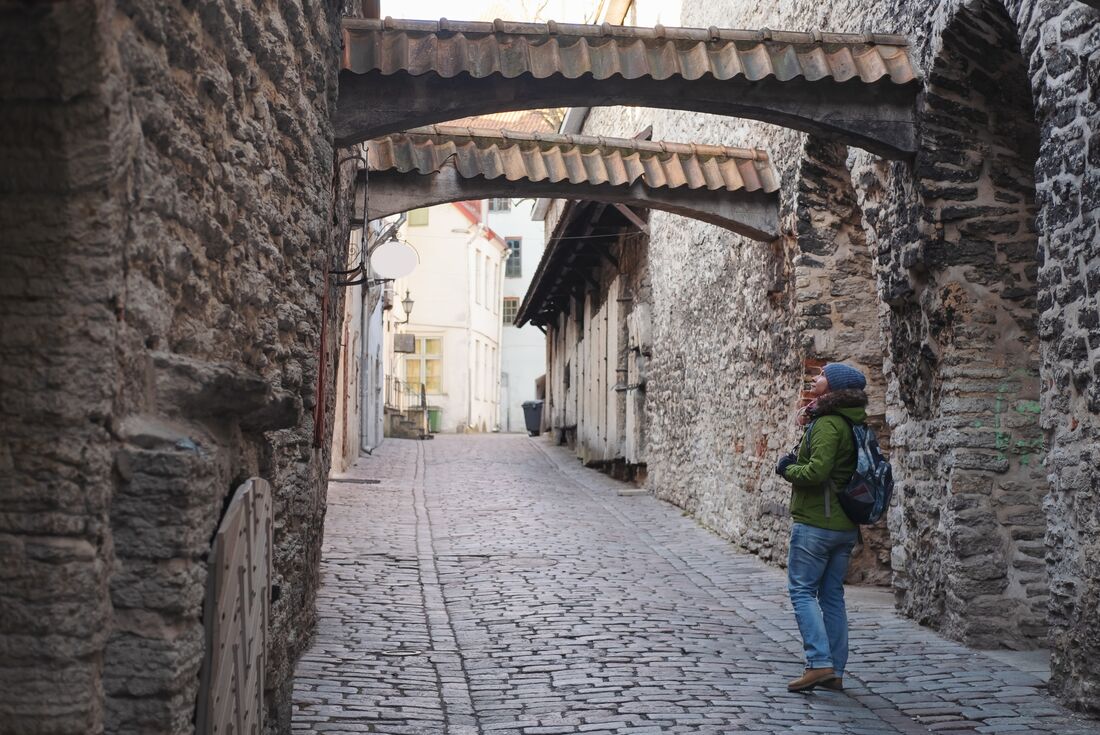
Day 22TallinnLeave Helsinki after breakfast and catch a ferry across the Gulf of Finland to the Estonian capital of Tallinn. Arrive mid-afternoon, check into your hotel and head out for a short orientation walk through the city. The rest of your day is then free to enjoy this beautifully preserved medieval city and all it has to offer. Maybe head out and enjoy some of the region's culinary specialties or stop for a drink and people watch on the main square. With its steep red roofs, spires, pastel-coloured buildings and new restaurants and bars, Estonia's capital is a real treat to explore. Tonight, maybe find a local restaurant for dinner – your local leader will have the best recommendations!
Tallinn
Leave Helsinki after breakfast and catch a ferry across the Gulf of Finland to the Estonian capital of Tallinn. Arrive mid-afternoon, check into your hotel and head out for a short orientation walk through the city. The rest of your day is then free to enjoy this beautifully preserved medieval city and all it has to offer. Maybe head out and enjoy some of the region's culinary specialties or stop for a drink and people watch on the main square. With its steep red roofs, spires, pastel-coloured buildings and new restaurants and bars, Estonia's capital is a real treat to explore. Tonight, maybe find a local restaurant for dinner – your local leader will have the best recommendations!
Day 23TallinnToday is free for you to explore at your own pace. Maybe explore the Old Town – home to the last remaining gothic town hall in northern Europe, Old Thomas. You could also see the Raapteek, which has housed a pharmacy since the 15th century, and St Olaf Church. Maybe head to Upper Tallinn, home to the noble families, to see amazing views of Lower Tallinn and the medieval spires of the town’s walls. The 13th-century Toompea Castle, where the Estonian Parliament sits, and the 19th-century orthodox Alexander Nevsky Cathedral are some of the main attractions. Alternatively, head to Pirita to chill out at Tallinn's most popular beach, or visit Kadriorg Palace, built by czar Peter the Great for his second wife Catherine I.
Tallinn
Today is free for you to explore at your own pace. Maybe explore the Old Town – home to the last remaining gothic town hall in northern Europe, Old Thomas. You could also see the Raapteek, which has housed a pharmacy since the 15th century, and St Olaf Church. Maybe head to Upper Tallinn, home to the noble families, to see amazing views of Lower Tallinn and the medieval spires of the town’s walls. The 13th-century Toompea Castle, where the Estonian Parliament sits, and the 19th-century orthodox Alexander Nevsky Cathedral are some of the main attractions. Alternatively, head to Pirita to chill out at Tallinn's most popular beach, or visit Kadriorg Palace, built by czar Peter the Great for his second wife Catherine I.
Day 24RigaDepart by bus after breakfast, cross the border and arrive in the Latvian capital of Riga in the afternoon. Riga is renowned for its welcoming locals and a fascinating art nouveau heritage. The afternoon is free for you to explore at your own pace. Maybe discover a vast collection of Latvian art spanning various periods at the Latvian National Museum of Art or catch a performance at the Latvian National Opera and Ballet. Tonight, perhaps grab a drink at one of the many bars in the Old Town.
Riga
Depart by bus after breakfast, cross the border and arrive in the Latvian capital of Riga in the afternoon. Riga is renowned for its welcoming locals and a fascinating art nouveau heritage. The afternoon is free for you to explore at your own pace. Maybe discover a vast collection of Latvian art spanning various periods at the Latvian National Museum of Art or catch a performance at the Latvian National Opera and Ballet. Tonight, perhaps grab a drink at one of the many bars in the Old Town.
Day 25RigaTravel by public transport to Sigulda – a pretty town with medieval history that backs onto Gauja National Park. Take the cable car across the river to Turaida Castle, which began construction in 1214 and is made from striking red bricks. After, join a guided tour and explore the castle grounds which feature sculptures set in evergreen woodland. This afternoon, lace up your boots and set off on a hike along the winding Gauja River with your leader, taking in the clear air and thick Latvian forest. This evening is then free for you to explore at your own pace – maybe join your group for dinner at a local restaurant.
Riga
Travel by public transport to Sigulda – a pretty town with medieval history that backs onto Gauja National Park. Take the cable car across the river to Turaida Castle, which began construction in 1214 and is made from striking red bricks. After, join a guided tour and explore the castle grounds which feature sculptures set in evergreen woodland. This afternoon, lace up your boots and set off on a hike along the winding Gauja River with your leader, taking in the clear air and thick Latvian forest. This evening is then free for you to explore at your own pace – maybe join your group for dinner at a local restaurant.
Day 26RigaSpend today exploring Riga. This morning, set out on an orientation tour, where you’ll see the Doma Cathedral, St Peter's Basilica, House of Blackheads, the Swedish Gate, The Great Guild and Small Guild and the Cat House. There is nothing scheduled for the rest of the day, so you’re free to explore at your own pace. Maybe visit The Museum of Occupation of Latvia, which offers insight into the hardships suffered, during occupation by the Germans and Soviets. Or, wander through the Central Market Halls – a great place to haggle for supplies for a picnic lunch. Make sure you give the (bitter but reputedly healthy) Riga Black Balsam a try. The recipe is secret, but it contains rare ingredients such as valerian, wormwood, black pepper, ginger, gentian and linden flower.
Riga
Spend today exploring Riga. This morning, set out on an orientation tour, where you’ll see the Doma Cathedral, St Peter's Basilica, House of Blackheads, the Swedish Gate, The Great Guild and Small Guild and the Cat House. There is nothing scheduled for the rest of the day, so you’re free to explore at your own pace. Maybe visit The Museum of Occupation of Latvia, which offers insight into the hardships suffered, during occupation by the Germans and Soviets. Or, wander through the Central Market Halls – a great place to haggle for supplies for a picnic lunch. Make sure you give the (bitter but reputedly healthy) Riga Black Balsam a try. The recipe is secret, but it contains rare ingredients such as valerian, wormwood, black pepper, ginger, gentian and linden flower.
Your journey through
Denmark
Day 27KlaipedaSet off by private bus and cross the border into Lithuania. Today is a bit of a long travel day, so it's a good idea to get stuck into your book or favourite podcast. After a stop at the iconic Hill of Crosses at Siauliai, continue onto the former Prussian city of Klaipeda – the city of sculptures and jazz. Klaipeda used to be a member of the Hanseatic League and is the gateway to the Curonian Spit – a long and narrow sand dune peninsula separating the Curonian Lagoon from the Baltic Sea. When you arrive, check into your hotel, then head out to the waterfront and explore the Old Town centre, which features 18th-century wooden buildings and other historic monuments.
Klaipeda
Set off by private bus and cross the border into Lithuania. Today is a bit of a long travel day, so it's a good idea to get stuck into your book or favourite podcast. After a stop at the iconic Hill of Crosses at Siauliai, continue onto the former Prussian city of Klaipeda – the city of sculptures and jazz. Klaipeda used to be a member of the Hanseatic League and is the gateway to the Curonian Spit – a long and narrow sand dune peninsula separating the Curonian Lagoon from the Baltic Sea. When you arrive, check into your hotel, then head out to the waterfront and explore the Old Town centre, which features 18th-century wooden buildings and other historic monuments.
Day 28Curonian SpitToday, set off on a daytrip to explore the unique UNESCO World Heritage-listed Curonian Spit National Park – the second-oldest national park in the former Soviet Union. This area is full of beaches, sand dunes and forested areas. The peninsula formed only 5000 years ago by strong winds and currents, which constantly change the shape of the landscape to this day (recently, a whole village was swallowed by the sand!). According to legend, the spit was formed by the girl giant Neringa, who poured sand into the Baltic Sea to protect the bay from storms and create an embankment for fishermen. Explore the tiny village of Nida and the surrounding beaches and look in the distance to see the Russian border. Then for lunch, maybe try the smoked pike for which the spit is famous. The rest of the day is free for you to explore the national park – your leader will have the best recommendations if you’re looking for something to do!
Curonian Spit
Today, set off on a daytrip to explore the unique UNESCO World Heritage-listed Curonian Spit National Park – the second-oldest national park in the former Soviet Union. This area is full of beaches, sand dunes and forested areas. The peninsula formed only 5000 years ago by strong winds and currents, which constantly change the shape of the landscape to this day (recently, a whole village was swallowed by the sand!). According to legend, the spit was formed by the girl giant Neringa, who poured sand into the Baltic Sea to protect the bay from storms and create an embankment for fishermen. Explore the tiny village of Nida and the surrounding beaches and look in the distance to see the Russian border. Then for lunch, maybe try the smoked pike for which the spit is famous. The rest of the day is free for you to explore the national park – your leader will have the best recommendations if you’re looking for something to do!
Day 29Aukstaitija National ParkAfter breakfast, travel by bus, train and car to the town of Ignalina. Then, continue your journey to Aukstaitija (pronounced owk-sty-chee-ah) National Park and the village of Ginuciai – your home for the night. When you arrive, spend the day exploring the national park, said to be one of the best in the Baltic States. With 126 lakes, an abundance of waterways, hills and woods, there is plenty to explore! Tonight, meet your host family and get to know them over a home-cooked dinner – you'll spend the next two days with them.
Aukstaitija National Park
After breakfast, travel by bus, train and car to the town of Ignalina. Then, continue your journey to Aukstaitija (pronounced owk-sty-chee-ah) National Park and the village of Ginuciai – your home for the night. When you arrive, spend the day exploring the national park, said to be one of the best in the Baltic States. With 126 lakes, an abundance of waterways, hills and woods, there is plenty to explore! Tonight, meet your host family and get to know them over a home-cooked dinner – you'll spend the next two days with them.
Day 30Aukstaitija National ParkThis morning, you’ll take a guided kayak ride through the lakes and rivers, past villages and through forests, to an ancient pagan site on top of a hill with a wishing tree. The top affords great views across the surrounding forests and lakes. The rest of the day is free to visit some of the local attractions, such as the nearby villages that date from the 14th century and consist of traditional wooden houses and farmsteads. The 19th-century Ginuciai Watermill is another point of interest. You can hike to lookouts, fish, swim in the lake or river rapids, or relax. Maybe ask your host family to fire up the sauna for the ultimate relaxation and cleansing experience.
Aukstaitija National Park
This morning, you’ll take a guided kayak ride through the lakes and rivers, past villages and through forests, to an ancient pagan site on top of a hill with a wishing tree. The top affords great views across the surrounding forests and lakes. The rest of the day is free to visit some of the local attractions, such as the nearby villages that date from the 14th century and consist of traditional wooden houses and farmsteads. The 19th-century Ginuciai Watermill is another point of interest. You can hike to lookouts, fish, swim in the lake or river rapids, or relax. Maybe ask your host family to fire up the sauna for the ultimate relaxation and cleansing experience.
Your journey through
Estonia
Day 31VilniusContinue your journey today by local train to the capital of Lithuania, Vilnius. Having once been occupied by Sweden, Poland, France and Russia, each occupier has left its mark. Take an orientation walk with your leader when you arrive, seeing Cathedral Square and its free-standing belfry and the length of pedestrianised Pilies Gatve, lined by baroque churches. The rest of the day is free. Maybe visit the Museum of Occupations and Freedom Fights, better known as the KGB Museum, as it’s in the former KGB headquarters. If you’d like a break from historic monuments, maybe take a walk through some of the gardens around the city. Tonight, maybe head out for dinner with your group to celebrate the last night of your trip.
Vilnius
Continue your journey today by local train to the capital of Lithuania, Vilnius. Having once been occupied by Sweden, Poland, France and Russia, each occupier has left its mark. Take an orientation walk with your leader when you arrive, seeing Cathedral Square and its free-standing belfry and the length of pedestrianised Pilies Gatve, lined by baroque churches. The rest of the day is free. Maybe visit the Museum of Occupations and Freedom Fights, better known as the KGB Museum, as it’s in the former KGB headquarters. If you’d like a break from historic monuments, maybe take a walk through some of the gardens around the city. Tonight, maybe head out for dinner with your group to celebrate the last night of your trip.
Day 32VilniusYour adventure comes to an end today. There are no more activities planned and you're free to depart the accommodation at any time after you check-out. If you’d like to extend your stay to explore Vilnius in more depth, just speak to your booking agent ahead of time.
Vilnius
Your adventure comes to an end today. There are no more activities planned and you're free to depart the accommodation at any time after you check-out. If you’d like to extend your stay to explore Vilnius in more depth, just speak to your booking agent ahead of time.
What's included
Included
✓Take a ferry to Vrango Island – a small fishing town in the Gothenburg archipelago – then set off on a kayak and discover this natural rocky haven.
✓Learn about the local love affair with coffee, hear the story behind cafe culture and treat your taste buds to Swedish favourites on a locally guided cafe-hop around Alingsas.
✓Discover Stockholm's maritime history at the Vasa Museum, which houses an original wooden war ship from 1628. This impressive vessel gives you a rare glimpse into the naval power Sweden was once famous for.
✓Visit Aukstaitija National Park, which offers unique opportunities for both action and relaxation. Kayak across the lakes, indulge in home-cooked meals or cleanse yourself in a traditional sauna.
✓Explore Sigulda – a pretty town with medieval history that backs onto Gauja National Park. See the region from above on a cable car ride across the river, then join a guided tour of the Turaida Castle.
TripFinder compares the available catalog facts and Brandi Leanna can handle the booking — and you pay the same as booking Intrepid Travel direct, never more, because the operator pays our commission. You travel under the operator's terms; final price and availability are confirmed before purchase.
 Copenhagen
 Copenhagen
 Vrango Island
 Gothenburg
 Gothenburg
 Oslo
Oslo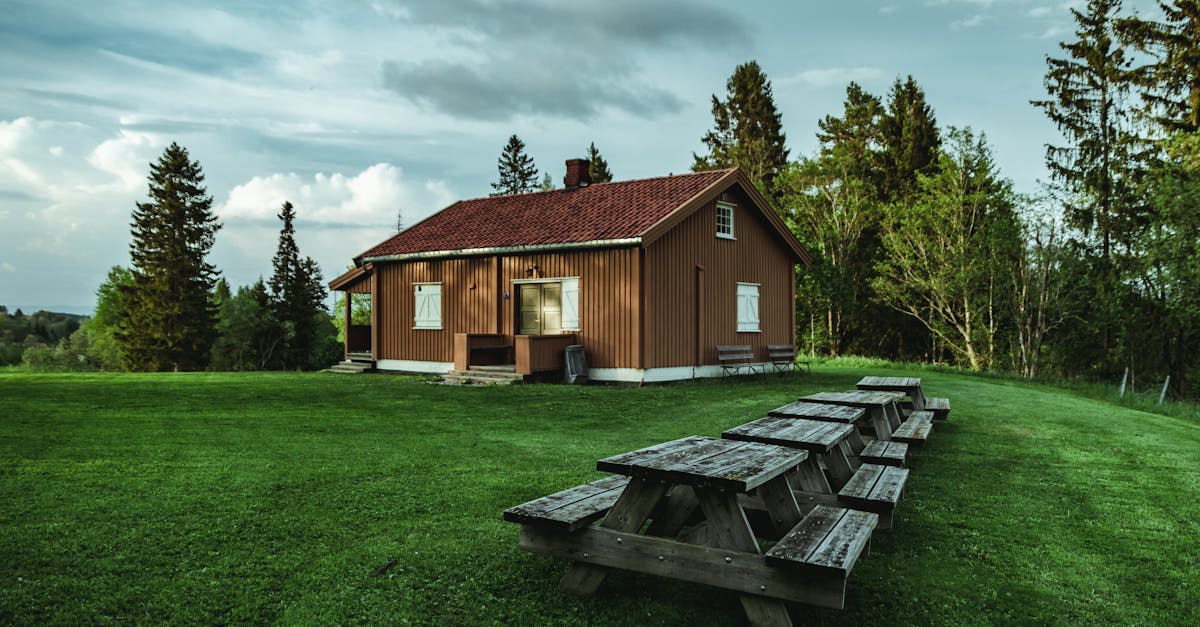 Oslo
Oslo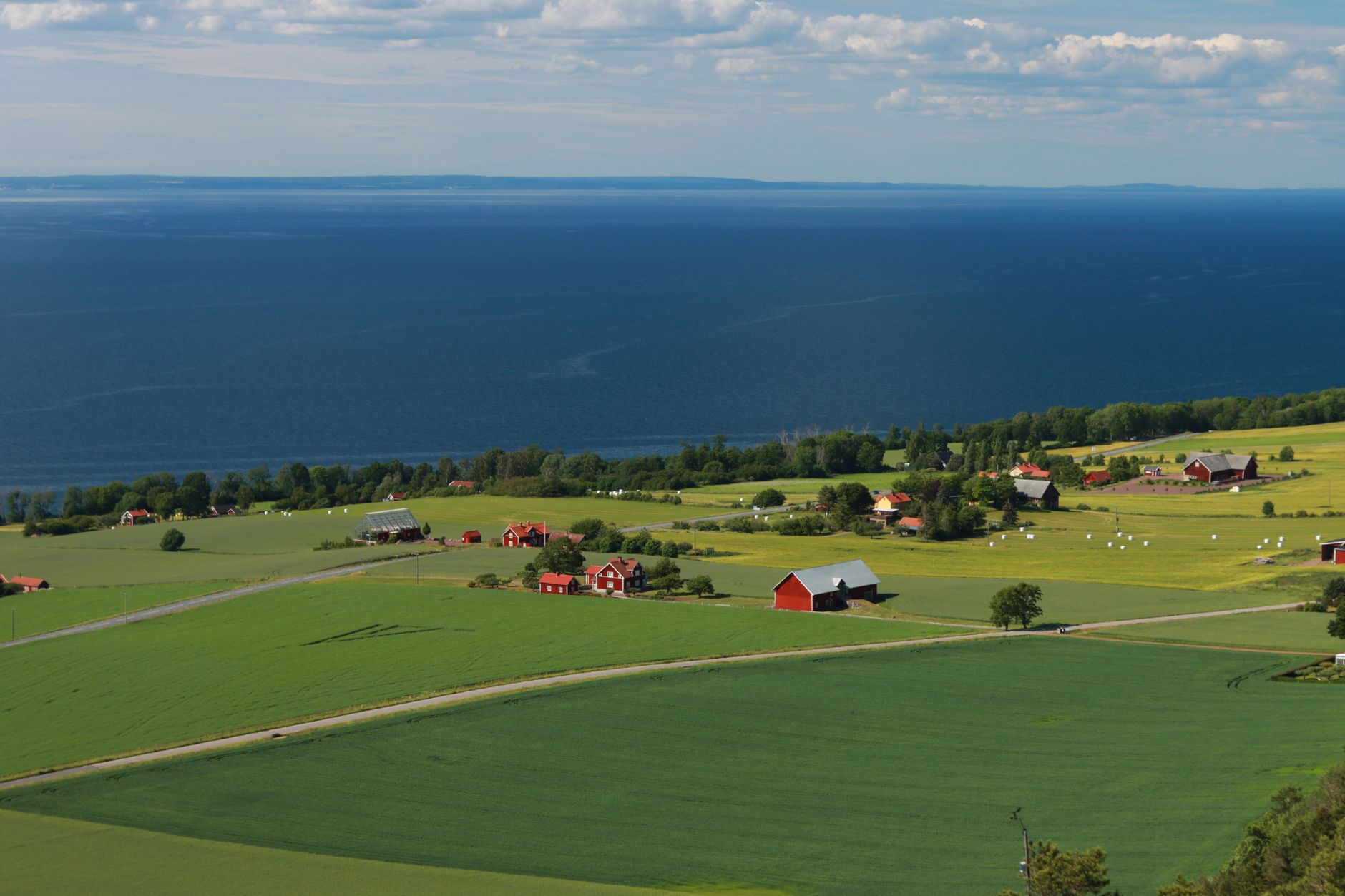
 Vikarbyn
 Vikarbyn
 Stockholm
 Stockholm
 Stockholm
 Helsinki
 Helsinki
 Tallinn
 Tallinn
 Riga
Riga Riga
Riga Klaipeda
 Curonian Spit
 Aukstaitija National Park
 Aukstaitija National Park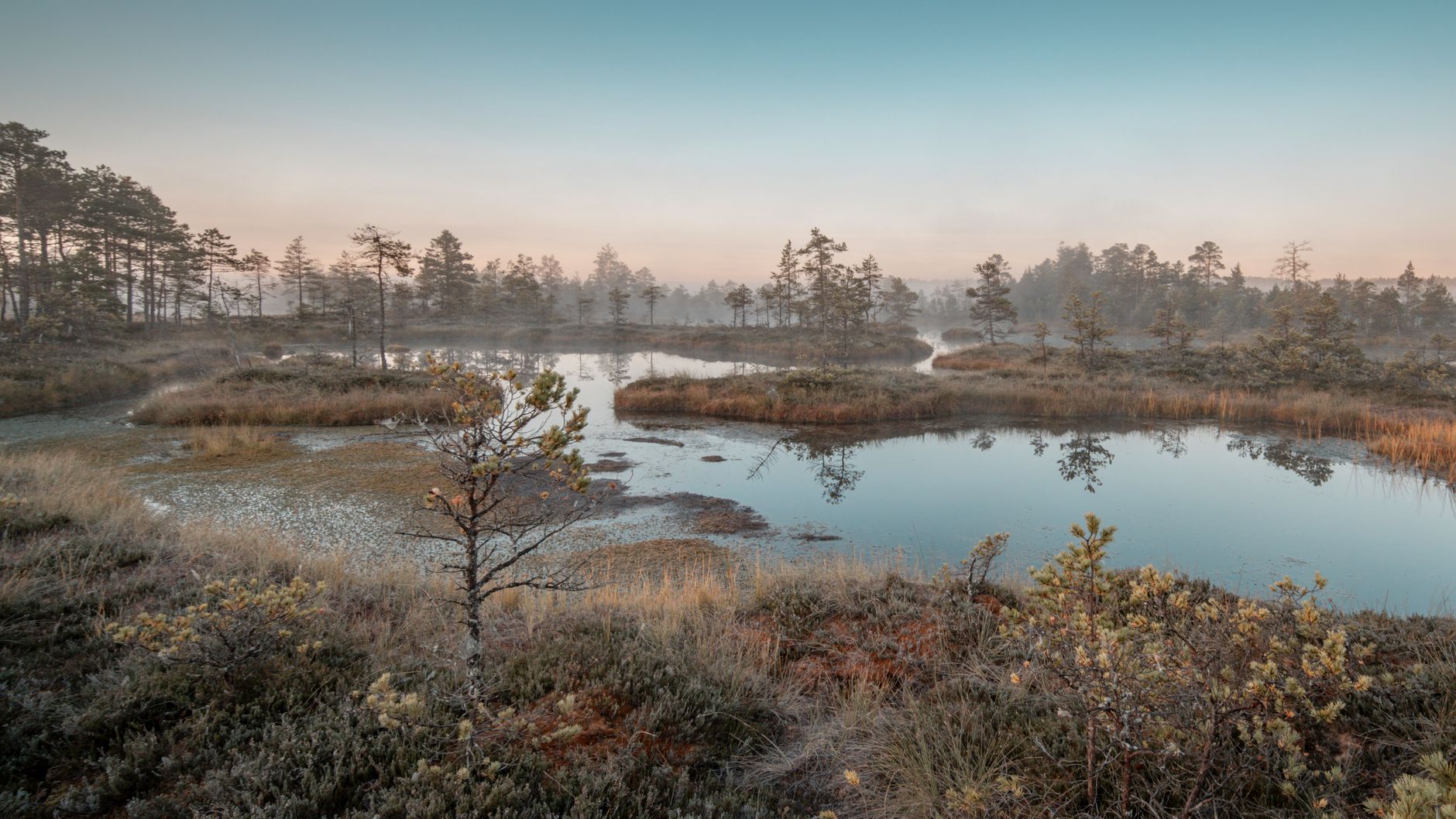
 Vilnius