Challenge. Desolation. Unlimited wonder. It’s not difficult to grasp what attracted the great explorers to Antarctica. Get a personal appreciation for the struggle to tame the bottom of the world on this 22-day adventure to the land that entranced Ernest Shackleton and countless others since. Down here, you’ll explore the Falkland Islands, encounter abandoned whaling stations on South Georgia Island, and pay your respects at Shackleton’s grave. Elsewhere, you’ll catch up with penguins (king, chinstrap, gentoo, and Adélie varieties), learn all about them through daily lectures, get close to whales and cavorting seals from a Zodiac boat, and keep an eye peeled for towering icebergs and massive glaciers. Prepare to be astonished.
◆Arrive in Montevideo at any time. Arrival transfer included. Enjoy the sights and sounds of Uruguay's capital city.
◆Embarkation on the Expedition begins in the afternoon at the port of Montevideo.
◆With course set southeast, become acquainted with the ship. Enjoy the lecture and educational sessions about the extraordinary human and natural history of the Antarctic region.
◆
The Falkland Islands provide a rare opportunity to witness the biological diversity and extraordinary scenery of the southern islands. Penguins are abundant here, and the Falklands have the largest black-browed albatross colony in the world. In Stanley, meet the hardy local inhabitants whose colourful houses provide contrast to the long, dark winters.
◆With a course set for South Georgia, days at sea are filled with historical and biological lectures to prepare for landings. Look out for the many whales that inhabit these waters.
◆Home to many interesting sites (including the grave of polar explorer Ernest Shackleton), South Georgia has several former whaling stations and boasts plenty of wildlife. Visit a huge colony of king penguins, a major highlight of this part of the journey. South Georgia is also home to over half of the world's enormous southern elephant seals, the largest of all seals. Keep an eye out for newly birthed southern elephant pups. Weather permitting, enjoy 3-4 days free to explore this island.
◆Plotting a southwesterly course across the Scotia Sea, sail for two days, retracing Shackleton's route backwards.
◆Experience some of the most unique wildlife and awe-inspiring scenery in the South Shetland Islands, just north of the Antarctic Peninsula. Weather and ice conditions permitting, our goal is to attempt memorable shore landings daily and encounter gentoo, chinstrap, and Adélie penguin rookeries; Weddell, crabeater, and leopard seals; and orca, humpback, and minke whales in the cold Antarctic waters. The ship will attempt to reach the Antarctic Peninsula for a landing, weather and ice-permitting.
◆Reflect on a memorable adventure and take in some final lectures en route to Ushuaia. Keep a careful look out for a last chance to spot whales.
◆Disembark in the morning.
At a glance
Duration
22 days
Route
Montevideo → Ushuaia
Countries
Argentina, Antarctica, United Kingdom, Uruguay
Activity level
easy
Style
Beach & Islands, Culture & History, Multi-Country / Grand Tour, National Parks & Wilderness, Polar & Expedition, Sailing & Marine, Wildlife & Safari
Group size
Max 134
Ages
10+
International flights
Not included
Solo travellers
Welcome
Where you'll go
Day by day
Your journey through
Uruguay
Showing Days 1-7
19-day itinerary
Day 1Arrive in Montevideo at any time
Montevideo
Arrive in Montevideo at any time. Arrival transfer included. Enjoy the sights and sounds of Uruguay's capital city.
Day 2Embarkation on the Expedition begins in the afternoon…MontevideoEmbark on the Expedition. Transfer as a group in the early afternoon. The morning is free, take the chance to explore one of Montevideo's colourful neighbourhoods. The evening is spent onboard the ship sailing southwards towards the Falkland Islands.
Montevideo
Embark on the Expedition. Transfer as a group in the early afternoon. The morning is free, take the chance to explore one of Montevideo's colourful neighbourhoods. The evening is spent onboard the ship sailing southwards towards the Falkland Islands.
Day 3With course set southeastSpend time on deck to spot wildlife including albatross and possibly whales and dolphins. Relax in the library, grab a drink in the Polar Bear Pub, or make some new friends in the Discovery Lounge.
Spend time on deck to spot wildlife including albatross and possibly whales and dolphins. Relax in the library, grab a drink in the Polar Bear Pub, or make some new friends in the Discovery Lounge.
Day 4With course set southeastSpend time on deck to spot wildlife including albatross and possibly whales and dolphins. Relax in the library, grab a drink in the Polar Bear Pub, or make some new friends in the Discovery Lounge.
Spend time on deck to spot wildlife including albatross and possibly whales and dolphins. Relax in the library, grab a drink in the Polar Bear Pub, or make some new friends in the Discovery Lounge.
Day 5With course set southeastSpend time on deck to spot wildlife including albatross and possibly whales and dolphins. Relax in the library, grab a drink in the Polar Bear Pub, or make some new friends in the Discovery Lounge.
Spend time on deck to spot wildlife including albatross and possibly whales and dolphins. Relax in the library, grab a drink in the Polar Bear Pub, or make some new friends in the Discovery Lounge.
Day 6The Falkland Islands provide a rare opportunity…
The Falkland Islands provide a rare opportunity to witness the biological diversity and extraordinary scenery of the southern islands. Penguins are abundant here, and the Falklands have the largest black-browed albatross colony in the world. In Stanley, meet the hardy local inhabitants whose colourful houses provide contrast to the long, dark winters.
Day 7The Falkland Islands provide a rare opportunity…
The Falkland Islands provide a rare opportunity to witness the biological diversity and extraordinary scenery of the southern islands. Penguins are abundant here, and the Falklands have the largest black-browed albatross colony in the world. In Stanley, meet the hardy local inhabitants whose colourful houses provide contrast to the long, dark winters.
1 / 3
Your journey through
Argentina
Day 20Reflect on a memorable adventure and take…UshuaiaTurning north, embark upon the 400 mile crossing of the passage that bears the name of the 16th century English explorer Sir Francis Drake. The Expedition is at home in this part of the Southern Ocean, known for the unimpeded never ending fetch of the winds that encircle the Antarctic. At some point on the first day, cross the Antarctic Convergence, a meeting of cold polar water flowing north and warmer sub-antarctic water moving in the opposite direction. It is the largest biological barrier on earth and is marked by a change in temperature, salinity and nutrient levels. The north flowing Antarctic waters predominantly sink beneath southward moving sub-antarctic waters. While further south associated areas of mixing and upwelling create an ocean very high in marine productivity. Wandering, Black-browed and Light-mantled Sooty Albatross, Prion's and Cap Petrels are among some of the species of seabirds that may join the Expedition on the journey towards the South American continent.
Ushuaia
Turning north, embark upon the 400 mile crossing of the passage that bears the name of the 16th century English explorer Sir Francis Drake. The Expedition is at home in this part of the Southern Ocean, known for the unimpeded never ending fetch of the winds that encircle the Antarctic. At some point on the first day, cross the Antarctic Convergence, a meeting of cold polar water flowing north and warmer sub-antarctic water moving in the opposite direction. It is the largest biological barrier on earth and is marked by a change in temperature, salinity and nutrient levels. The north flowing Antarctic waters predominantly sink beneath southward moving sub-antarctic waters. While further south associated areas of mixing and upwelling create an ocean very high in marine productivity. Wandering, Black-browed and Light-mantled Sooty Albatross, Prion's and Cap Petrels are among some of the species of seabirds that may join the Expedition on the journey towards the South American continent.
Day 21Reflect on a memorable adventure and take…UshuaiaTurning north, embark upon the 400 mile crossing of the passage that bears the name of the 16th century English explorer Sir Francis Drake. The Expedition is at home in this part of the Southern Ocean, known for the unimpeded never ending fetch of the winds that encircle the Antarctic. At some point on the first day, cross the Antarctic Convergence, a meeting of cold polar water flowing north and warmer sub-antarctic water moving in the opposite direction. It is the largest biological barrier on earth and is marked by a change in temperature, salinity and nutrient levels. The north flowing Antarctic waters predominantly sink beneath southward moving sub-antarctic waters. While further south associated areas of mixing and upwelling create an ocean very high in marine productivity. Wandering, Black-browed and Light-mantled Sooty Albatross, Prion's and Cap Petrels are among some of the species of seabirds that may join the Expedition on the journey towards the South American continent.
Ushuaia
Turning north, embark upon the 400 mile crossing of the passage that bears the name of the 16th century English explorer Sir Francis Drake. The Expedition is at home in this part of the Southern Ocean, known for the unimpeded never ending fetch of the winds that encircle the Antarctic. At some point on the first day, cross the Antarctic Convergence, a meeting of cold polar water flowing north and warmer sub-antarctic water moving in the opposite direction. It is the largest biological barrier on earth and is marked by a change in temperature, salinity and nutrient levels. The north flowing Antarctic waters predominantly sink beneath southward moving sub-antarctic waters. While further south associated areas of mixing and upwelling create an ocean very high in marine productivity. Wandering, Black-browed and Light-mantled Sooty Albatross, Prion's and Cap Petrels are among some of the species of seabirds that may join the Expedition on the journey towards the South American continent.
Day 22Disembark in the morningOur adventure comes to a close. Have a final breakfast on the expedition ship before saying our goodbyes as we disembark in Ushuaia in the morning.
Disembark in the morning
Our adventure comes to a close. Have a final breakfast on the expedition ship before saying our goodbyes as we disembark in Ushuaia in the morning.
What's included
Included
✓20 nts aboard the Expedition
✓1 nt hotel in Montevideo, on a twin share basis
✓Arrival and departure transfers
✓Zodiac excursions with our expert expedition team
✓Lectures and educational programs
✓Waterproof boots supplied for USA sizes 4 - 16
✓Expedition parka
Where you'll stay & how you'll travel
Accommodation
Twin-share hotel (1 nt), aboard the Expedition in quad-, triple-, twin-share cabins, or suites (all with en suite bathrooms and porthole or window, 20 nts). Please note that all cabins consist of twin-size berths and are ocean-facing. Suites have one queen-size bed
Meals
21 breakfasts, 19 lunches, 20 dinners
Transport
Expedition, Zodiac, private bus, walking
A closer look at the trip
Photos supplied by G Adventures. Check the itinerary for the experiences included on your departure.
Discover Argentina
General destination photography, separate from the operator’s trip photos.
TripFinder compares the available catalog facts and Brandi Leanna can handle the booking — and you pay the same as booking G Adventures direct, never more, because the operator pays our commission. You travel under the operator's terms; final price and availability are confirmed before purchase.

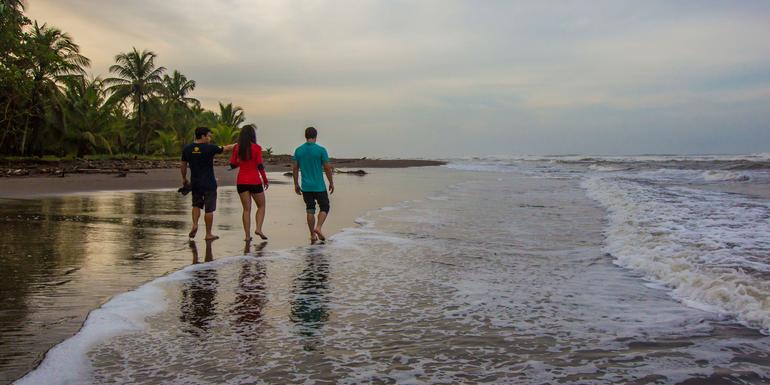


 Montevideo
 Montevideo
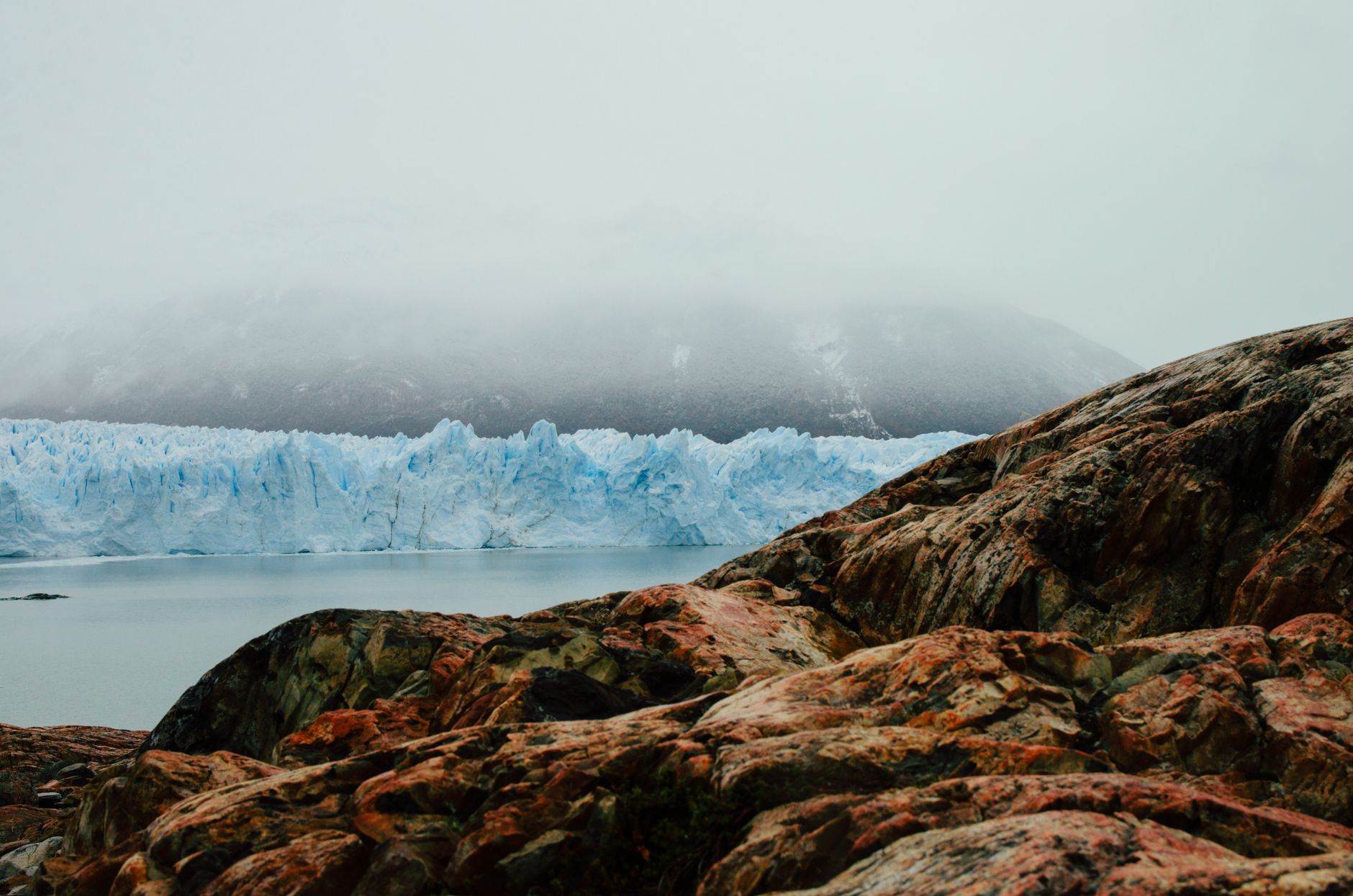
 Ushuaia
 Ushuaia
 Disembark in the morning