
TripFinder guide · Updated October 21, 2026
Is Small-Group Travel Right for You?
By Shekhar Parmar · 6 min read
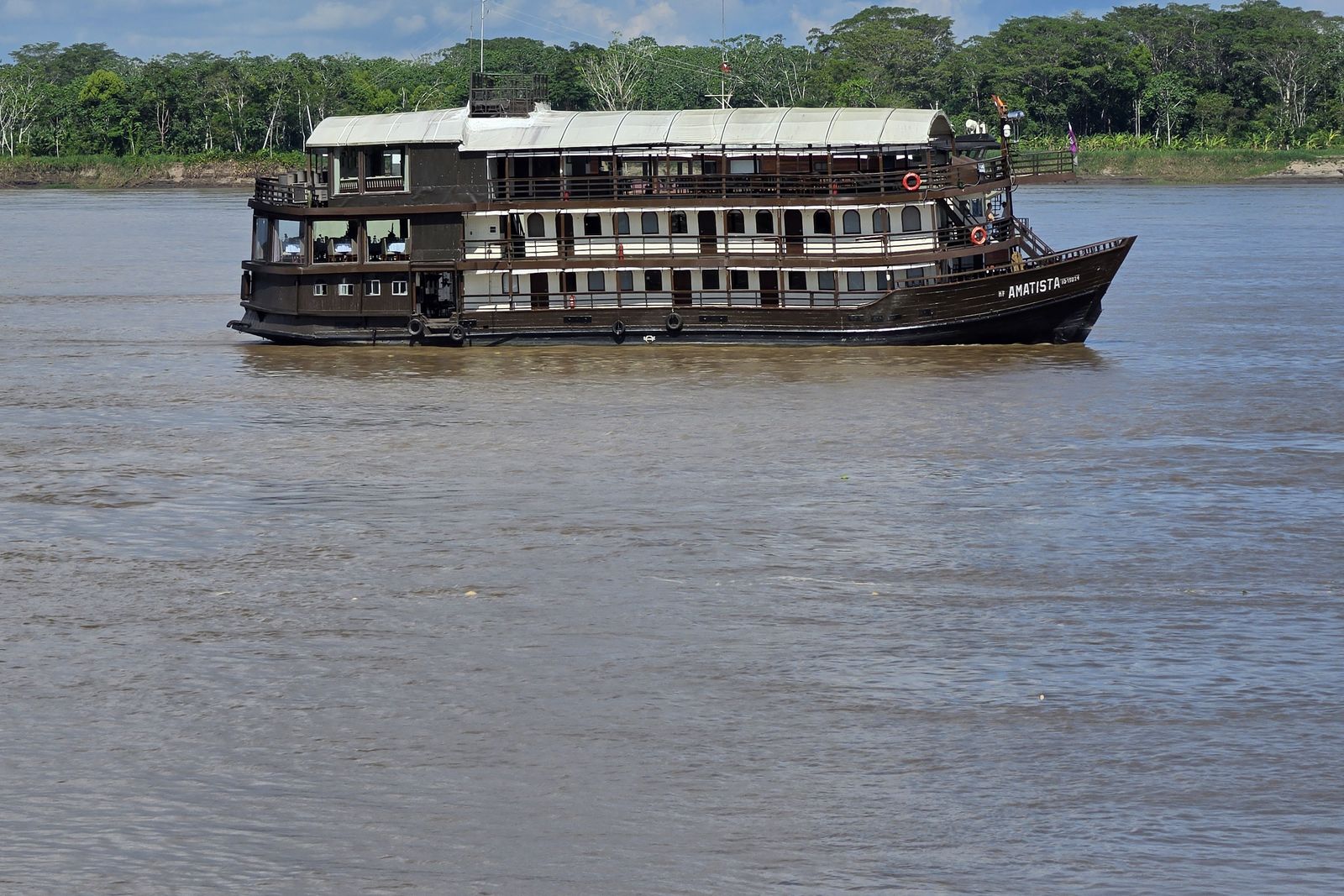
Photo: Shekhar Parmar
The short answer
Small-group travel suits people who want someone else to handle the logistics, a local leader, and built-in company, and who can live with a set route and other people's pace. It fits badly if you need full control of your schedule, dislike sharing rooms, or have dietary or medical needs that depend on flexibility. Check the actual group size and the day-by-day itinerary first.
There's a certain kind of traveller who hears "group tour" and pictures forty people in matching lanyards, a flag on a stick, and a guide counting heads outside a gift shop. That tour exists. It is not, mostly, what this guide is about.
This one is about the smaller kind: a dozen or so travellers, a local leader, a fixed route, and someone else worrying about how you get from the airport to the first noodle bowl. It's a good way to travel for some people and a miserable one for others. The honest job here is to help you work out which one you are.
I have taken five small-group tours since 2023, all of them on my own: three with G Adventures (Vietnam, Morocco and the Peruvian Amazon), one with Explore in Japan, and one with Other Way Round in Colombia. The rest of my travelling, the Philippines and Mexico City among it, I did independently. So I've sat on both sides of this question.
What "small group" actually means
Nobody agrees on a number. G Adventures says its groups are kept small, up to 15 travellers with an average of 10, but its own trip pages show a maximum of 16 on Classic Vietnam and 12 on its Geluxe Morocco trips. Intrepid says most trips have 12 to 16 travellers and usually average about 10, with overland vehicles carrying up to 24. Neither operator publishes a numeric definition of "small group".
So treat the published number as a ceiling, not a promise. A trip with a maximum of 16 might run with 8.
Who it suits
- You want the logistics gone. Transfers, hotels, border crossings, tickets. Someone else has done it before and knows which queue is the fast one.
- You're going somewhere that's hard to do alone, or where language, distance or safety make independent travel a lot of work. A tour won't make a place easy, but it can make it manageable.
- You're travelling solo and want company on tap, without having to organise it. Intrepid says more than half of its travellers go solo. Meals and day trips are where a group does its quiet work.
- You want a local leader who is paid to explain things. A good one is the difference between looking at a wall and understanding why it was built.
- You have limited time and a lot of ground to cover, and you'd rather cover it with a plan than a spreadsheet.
Who it doesn't suit
- You need to control your own schedule. If you're the person who wants to stay three hours in a market because the food is that good, a fixed itinerary will feel like a leash.
- You sleep badly around other people. The default on most small-group trips is twin share. Some operators offer a single room, and prices and availability vary.
- Your diet or health depends on flexibility. It can be done, but you'll be negotiating with a group, a driver and a restaurant booked in advance.
- You want depth, not range. A ten-day tour of one country usually means five or six places. That is the trade: a lot of places, briefly.
- You dislike other people's habits. Somebody will be late. Somebody will want to shop. Somebody will talk through the one quiet moment of the day. This is, in fairness, also true of families.
What you gain and what you give up
| What you gain | What you give up | |
|---|---|---|
| Logistics | Transfers, hotels and routes handled | The freedom to change plans on a whim |
| Local knowledge | A leader who knows the place and the shortcuts | Time to wander without an agenda |
| Company | Instant people to eat with | Privacy, and a say in who they are |
| Support | Someone to call when something goes wrong | Some of the self-reliance that makes independent travel feel earned |
| Cost | Guide, transport and hotels bundled into one price | Optional activities, tips and meals not included still add up |
| Pace | Efficiency: more places in less time | The option to linger or leave early |
| Depth | A guide's context and access you might not arrange alone | Long stays in one place |
What about travelling alone with a group?
It's more common than you'd think. Intrepid says solo travellers are more than half of its customers. The practical questions are about rooms. Both operators default to twin share with someone of the same gender, according to G Adventures and Intrepid. G Adventures says most of its trips have no single supplement for solo travellers who share. Intrepid offers a single room on most trips for a supplement, subject to availability, and does not guarantee a free single room.
On the first evening of my Colombia tour with Other Way Round, the whole group went out for drinks on a rooftop patio. It was stunning. We all got a little tipsy, told some funny stories, and it turned into a great night out. I had arrived alone, as I did on all five of my tours.
How much freedom and downtime do you get?
Less than independent travel and more than people expect. G Adventures describes free time on its trip pages, and its Classic Vietnam itinerary shows open time in Hanoi, Hoi An and Ho Chi Minh City. Intrepid says its trips balance activities with personal time, and you can skip an included or optional activity, though the cost of an included activity you skip isn't refunded. Neither operator publishes a percentage of scheduled time.
So count it yourself: open the day-by-day, mark each day as full, half or free, and add up the free half-days. Our guide to choosing your pace and difficulty shows what to look for.
The alternatives
| Format | Control | Effort | Best for |
|---|---|---|---|
| Independent | Total | High: you plan, book and fix | People who enjoy planning and can handle things going wrong |
| Private tour | High: you set the route and pace | Low | People who want a guide and flexibility and can pay for both |
| Small group | Low to medium | Low | People who want structure, company and a shared price |
| Large coach tour | Low | Very low | People who want maximum comfort and minimum decisions |
Three cheap checks before you pay a deposit
- Read the day-by-day, not the headline. Count the nights in each place, the long transfer days and the open half-days.
- Read what travellers say about the group, not just the star rating. Look for comments on pace, group size and how the leader handled the mix of people.
- Ask an advisor three questions: how many are booked on my departure, what is not in the price, and what happens if I need a private room.
Where to go from here
If you're leaning toward a group tour, the next questions are how hard a trip you want and how it actually feels to be on one. Our guide to choosing your pace and difficulty covers the first, and my story from Morocco is my answer to the second. If you'd like to see what's out there, browse by travel style.
Confirm before you book
These details change, or the operator does not publish them clearly. An advisor can confirm them for your exact departure.
- The actual group size on your departure (the published number is a maximum, not a promise).
- How rooms are assigned if you travel alone, and whether a private room is available on your departure and what it costs.
- What is included in the price: meals, entry fees, activities, transfers, and what you will pay for locally.
- Whether any night uses a different rooming arrangement (overnight boats, trains, camps or homestays).
- The minimum age and any fitness requirements for the exact trip.
Quick answers
How many people are in a small group?
It depends on the operator and the trip. G Adventures says groups are up to 15 with an average of 10, but its trip pages show maximums of 12 and 16. Intrepid says most trips have 12 to 16 travellers, usually averaging about 10. Neither gives a numeric definition of small group, so read the trip page for your departure (checked 20 October 2026).
Do I have to share a room?
On most trips from both operators the default is twin share with someone of the same gender. G Adventures says most trips have no single supplement for solo travellers, and Intrepid offers a single room on most trips for a supplement, subject to availability. Some nights, such as boats, trains, camps and homestays, follow different rules (checked 20 October 2026).
Can I skip an activity if I need a rest?
Intrepid says you can skip included or optional activities, but included activities that you skip are not reimbursed. G Adventures trip pages describe free time on some days; ask for the day-by-day itinerary and count the open half-days before booking (checked 20 October 2026).
Are flights included?
No. Both G Adventures and Intrepid price the tour from the start city, not from Canada. G Adventures says internal flights are included unless noted on the trip page; Intrepid's price covers transport during the trip as listed (checked 20 October 2026).
Sources
- G Adventures: frequently asked questions (group size, rooms, flights, tipping), checked October 20, 2026
- G Adventures: Southern Morocco Geluxe trip page (group size), checked October 20, 2026
- G Adventures: Classic Vietnam trip page (free days, meals included), checked October 20, 2026
- Intrepid Travel: choosing your trip (group size, rooming, age), checked October 20, 2026
- Intrepid Travel: solo travel (rooming, share of solo travellers), checked October 20, 2026
- Intrepid Travel: on your trip (skipping activities, tipping), checked October 20, 2026
Written by

Founder of TripFinder · Travel writer
Shekhar writes about choosing trips and the experiences that make them memorable. His personal journals at SP Travel document journeys through Asia, Africa and Latin America.

Plan your trip with Brandi
Brandi Leanna · Your travel advisor
Thinking about a trip like this? Brandi can help you compare the options, check dates, rooms and prices, and arrange your booking.