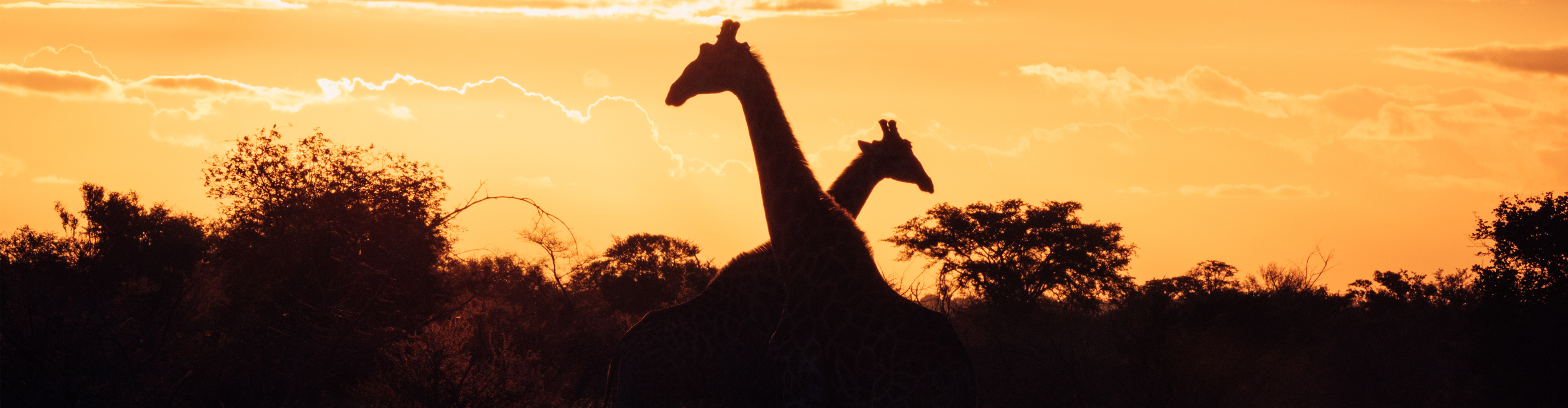
South Africa, Kruger National Park, sunset giraffe silhouette
Save Deal visible
Operated by Intrepid Travel

Experience Southern Africa

From
CAD 5,660
Duration
16 days
Countries
Botswana, South Africa, Zimbabwe
Activity
moderate
Group size
Max 16
Rating
4.7 · 78 reviewsvia Intrepid Travel

The adventure

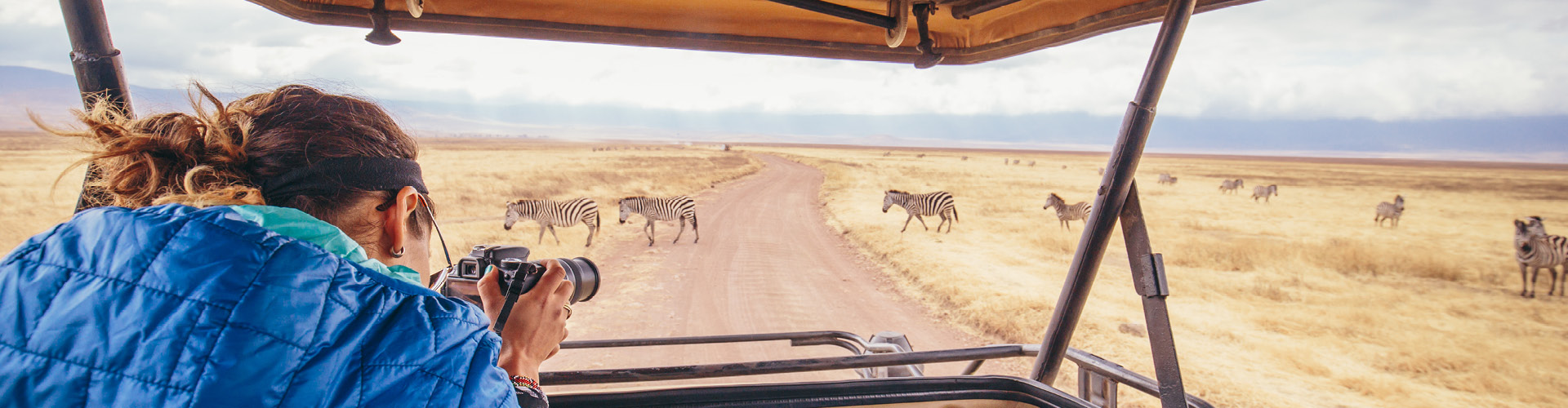
Spot your favourite safari animals on this 16-day southern Africa adventure. Learn how the Black Mambas are deterring poachers on a bush walk through Greater Kruger National Park, visit the Khama Rhino Sanctuary and watch roaming wildlife like elephants, zebras and cheetahs on a scenic sunset river cruise. Cycle through the streets of Soweto with a local guide, camp under the stars in the heart of Botswana's Okavango Delta wilderness and enjoy plenty of free time to explore Victoria Falls at your own pace.
At a glance

Duration
16 days
Route
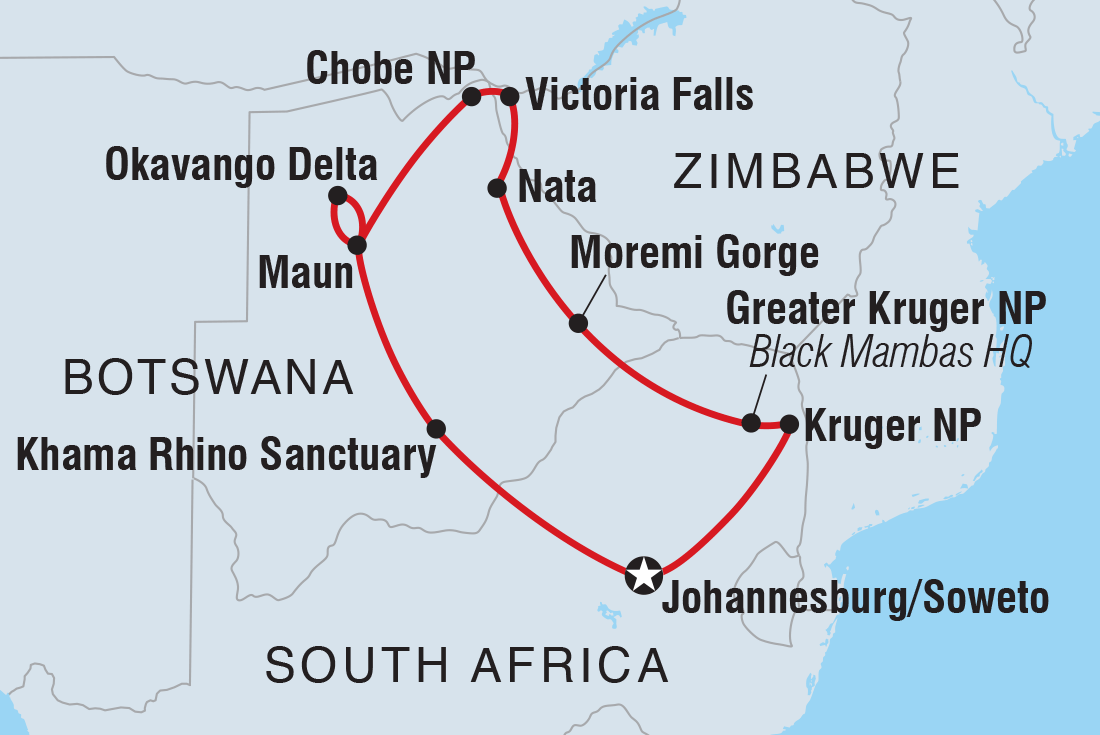
Johannesburg → Johannesburg
Countries
Botswana, South Africa, Zimbabwe
Activity level
moderate
Style
Cycling, Multi-Country / Grand Tour, National Parks & Wilderness, Wildlife & Safari
Group size
Max 16
Ages
15+
Flights
Not included
Solo travellers
Welcome

Day by day

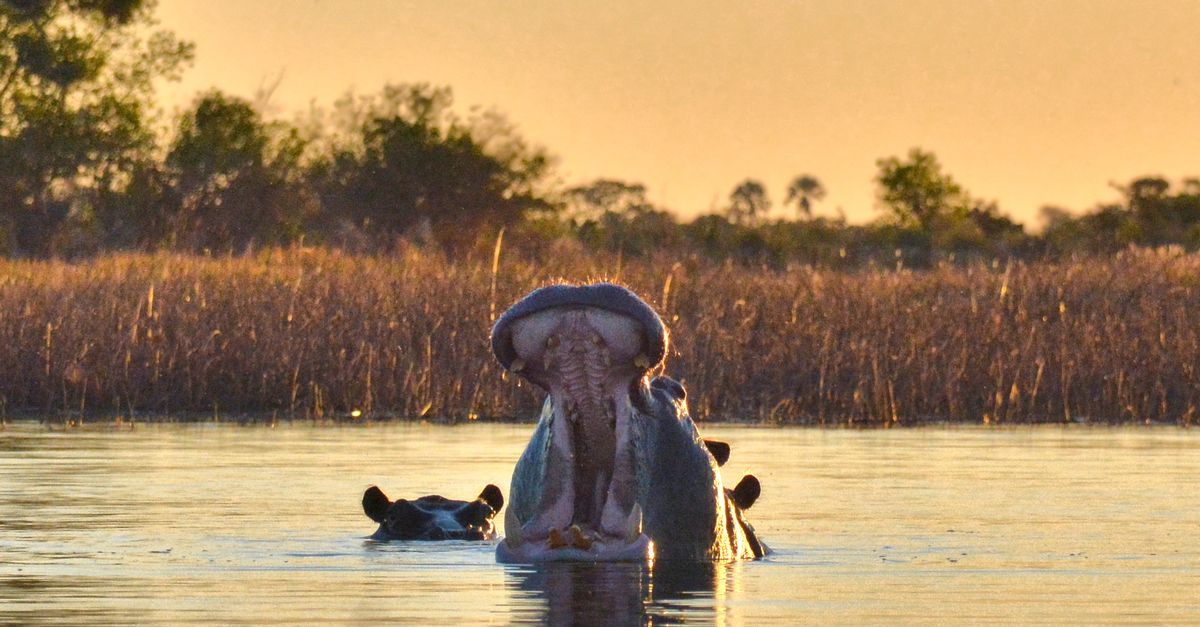
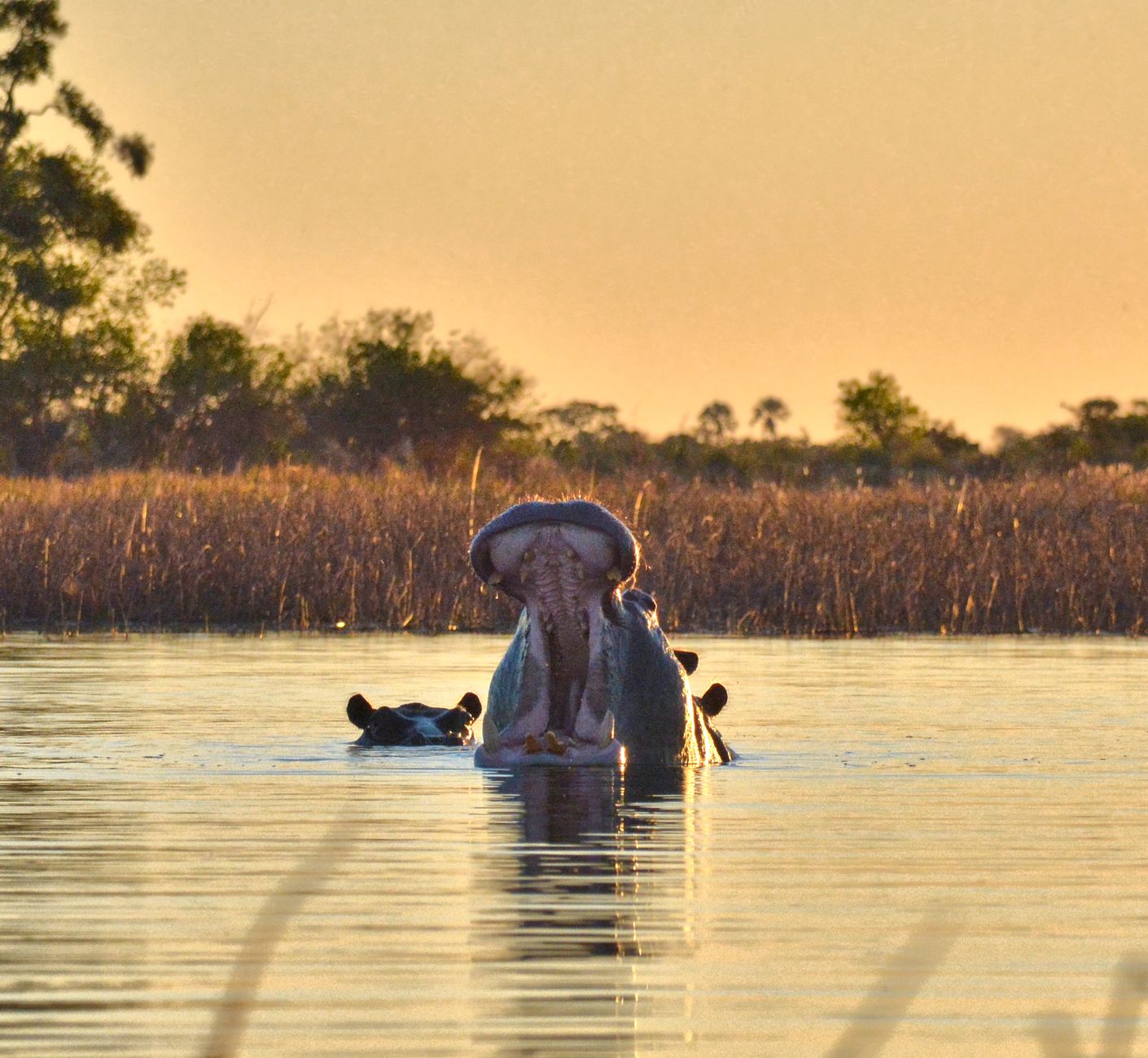
A group of hippos in a tranquil wetland setting, with one yawning widely.
Your journey through

Botswana

Day 1JohannesburgSawubona – welcome to South Africa! Your adventure begins with a welcome meeting at 6 pm. If you arrive early, maybe visit the eye-opening Apartheid Museum to start your journey with some crucial history before meeting up with your group. After your meeting this evening, why not head out for an optional group dinner and get to know your new travel companions. Your leader can point you in the right direction with the best bar and restaurant recommendations.
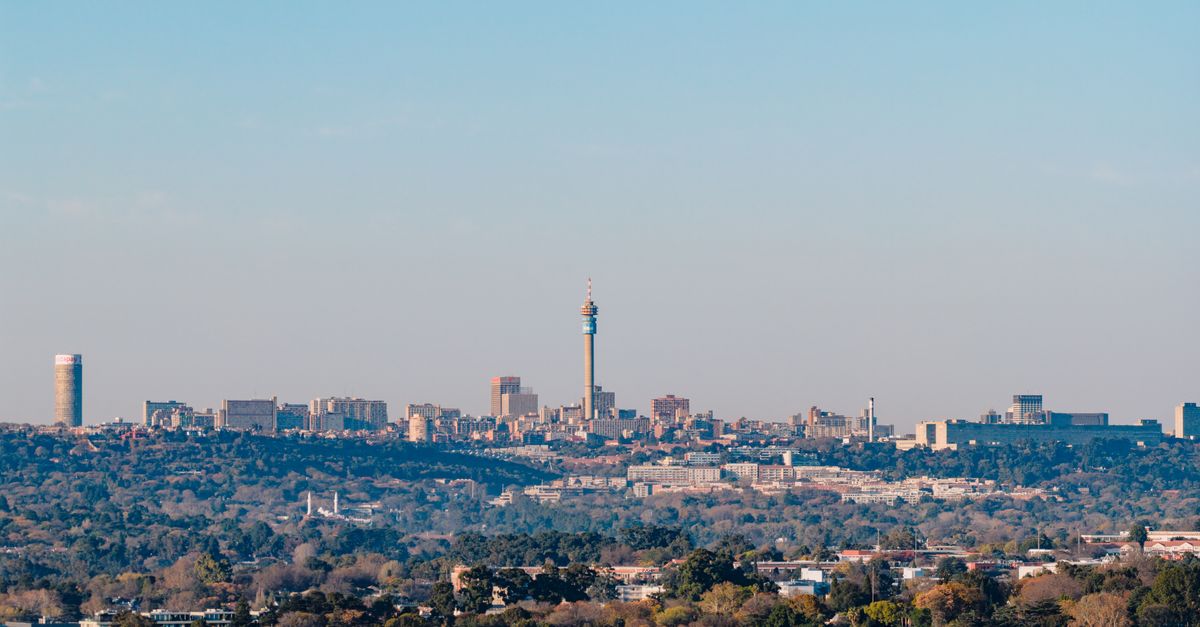
Shot of Johannesburg skyline featuring the iconic Hillbrow Tower on a clear day.Johannesburg
Sawubona – welcome to South Africa! Your adventure begins with a welcome meeting at 6 pm. If you arrive early, maybe visit the eye-opening Apartheid Museum to start your journey with some crucial history before meeting up with your group. After your meeting this evening, why not head out for an optional group dinner and get to know your new travel companions. Your leader can point you in the right direction with the best bar and restaurant recommendations.
Map showing Johannesburg
Day 2Kruger National ParkRise and shine for an early departure from Johannesburg, the 'City of Gold' – it’s time to officially set off on your African adventure! Be prepared for a long drive, but rest assured, it’s well worth it. A truly unique African experience unfolds as you enter the Greater Kruger National Park ecosystem on the journey to your campsite. In the evening, relax and have dinner with your group at your camp, located in Kruger National Park.
A detailed view of a white rhinoceros in the natural bushveld of South Africa.Kruger National Park
Rise and shine for an early departure from Johannesburg, the 'City of Gold' – it’s time to officially set off on your African adventure! Be prepared for a long drive, but rest assured, it’s well worth it. A truly unique African experience unfolds as you enter the Greater Kruger National Park ecosystem on the journey to your campsite. In the evening, relax and have dinner with your group at your camp, located in Kruger National Park.
Map showing Kruger National Park
Day 3Kruger National ParkAfter breakfast, embark on a full day 4WD safari through Kruger National Park. One of the largest game reserves in Southern Africa, Kruger National Park is home to over 500 bird species, 100 species of reptile and 150 mammal species, including all your favourites from The Lion King – elephants, rhinos, buffalo, giraffes and more! It’s home to many vulnerable species including the southern ground hornbill, the blue crane and the endangered African wild dog. You’ll spend your day game viewing, birdwatching and stopping at various waterholes and viewpoints. Your camp tonight will be within Kruger National Park.
A herd of African elephants walking through Kruger National Park, South Africa.Kruger National Park
After breakfast, embark on a full day 4WD safari through Kruger National Park. One of the largest game reserves in Southern Africa, Kruger National Park is home to over 500 bird species, 100 species of reptile and 150 mammal species, including all your favourites from The Lion King – elephants, rhinos, buffalo, giraffes and more! It’s home to many vulnerable species including the southern ground hornbill, the blue crane and the endangered African wild dog. You’ll spend your day game viewing, birdwatching and stopping at various waterholes and viewpoints. Your camp tonight will be within Kruger National Park.
Map showing Kruger National Park
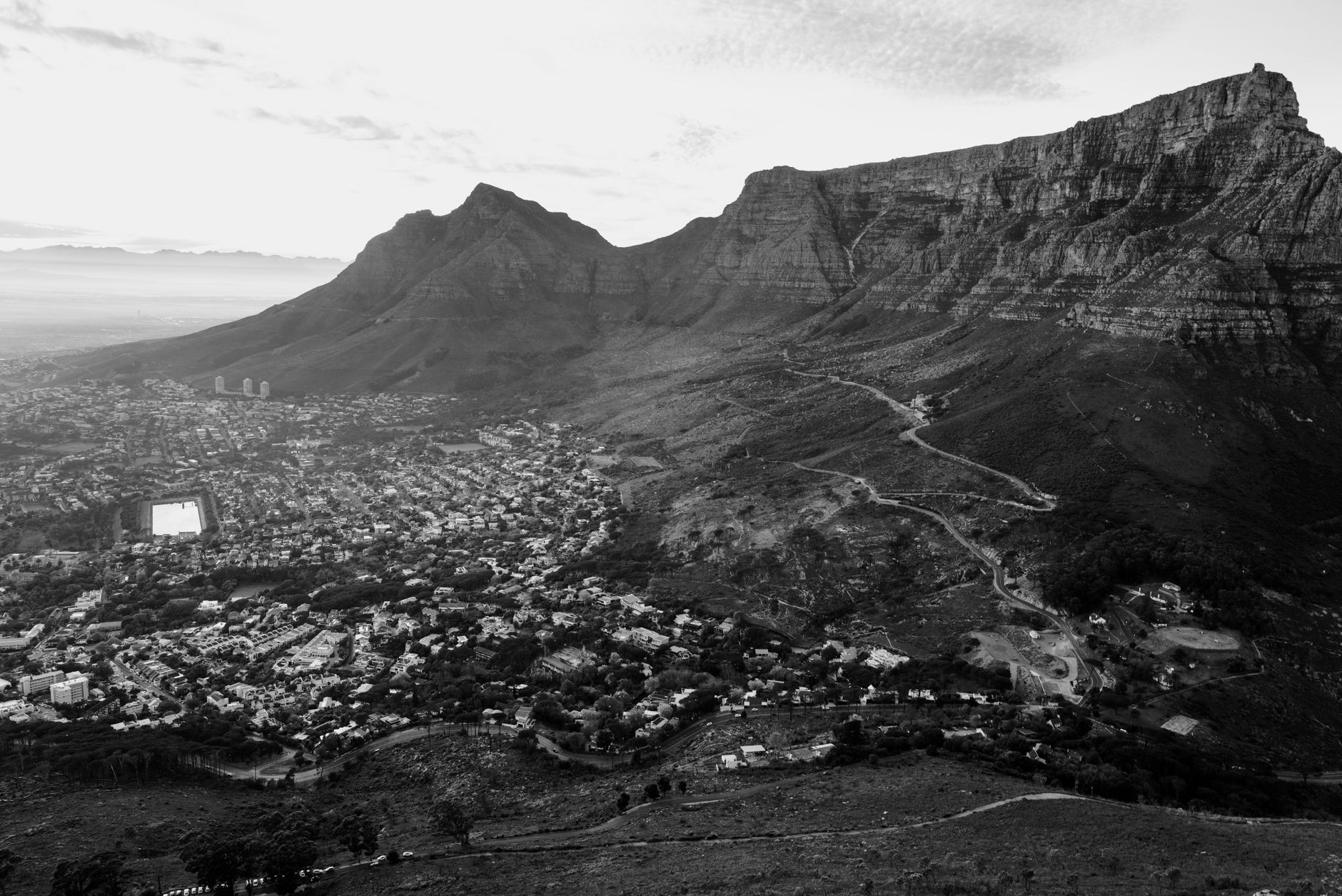
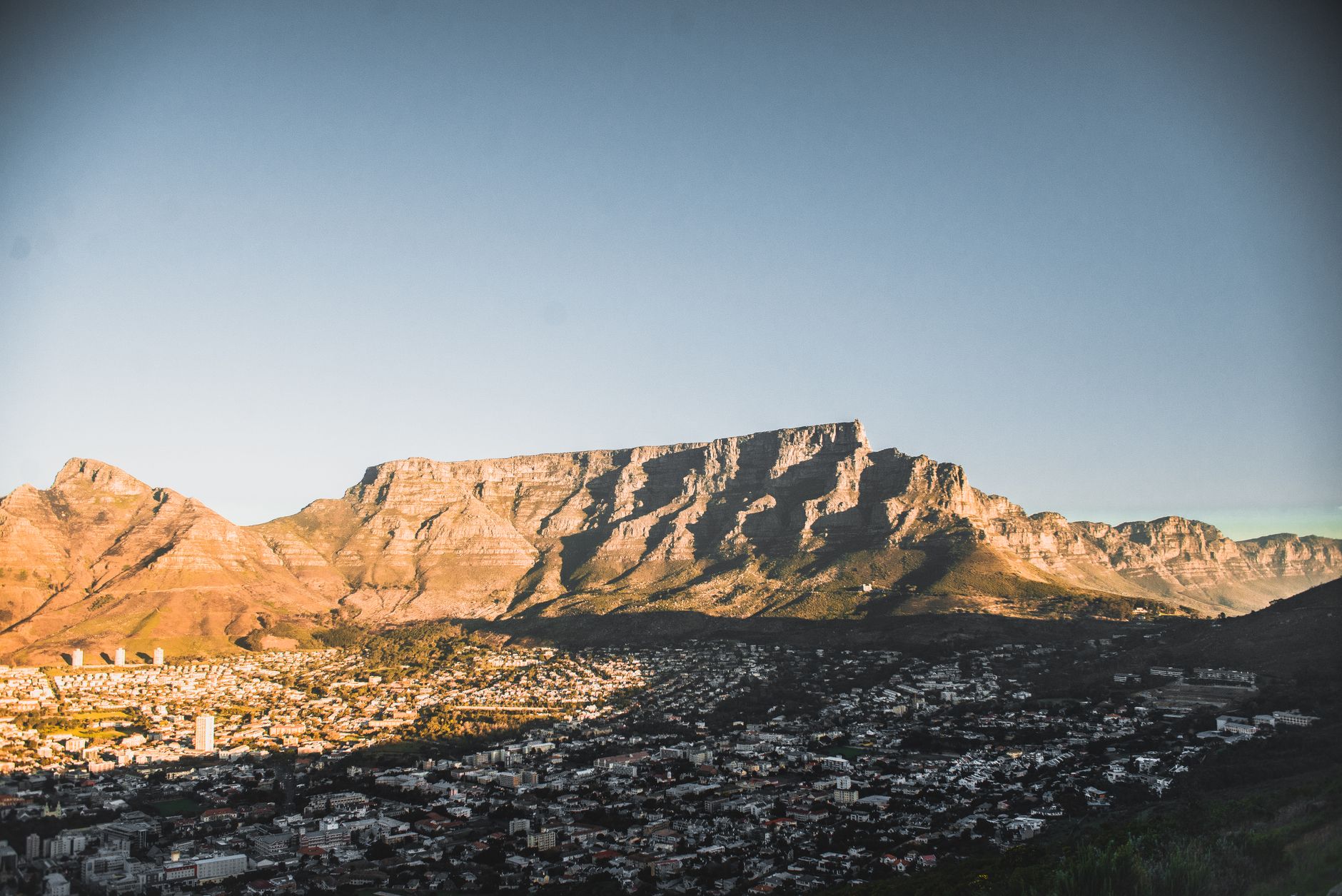
A breathtaking view of Cape Town's cityscape with the iconic Table Mountain in the backdrop during sunset.
Your journey through

South Africa

Day 4Greater Kruger National Park - Black Mambas HQHead to the outskirts of Kruger National Park, where you'll be lucky enough to camp for the evening with the Black Mambas at their headquarters. The Intrepid Foundation is proudly partnered with Helping Rhinos, which directly supports the work of the Black Mambas – the world's first all-female anti-poaching unit. Made up of a team of 42 young African women, the Mambas patrol 20,000 hectares of the Olifants West Nature Reserve, part of Greater Kruger National Park. Turning a traditionally male-dominated industry on its head, they’re putting their female prowess to work protecting the wildlife of Kruger National Park in an unconventional way. You'll join them on a bush walk to learn how they find and destroy snares firsthand. Later, enjoy a special dinner by lantern light, then relax by the campfire with the Black Mambas as they share stories about their path to becoming rangers and their conservation work.
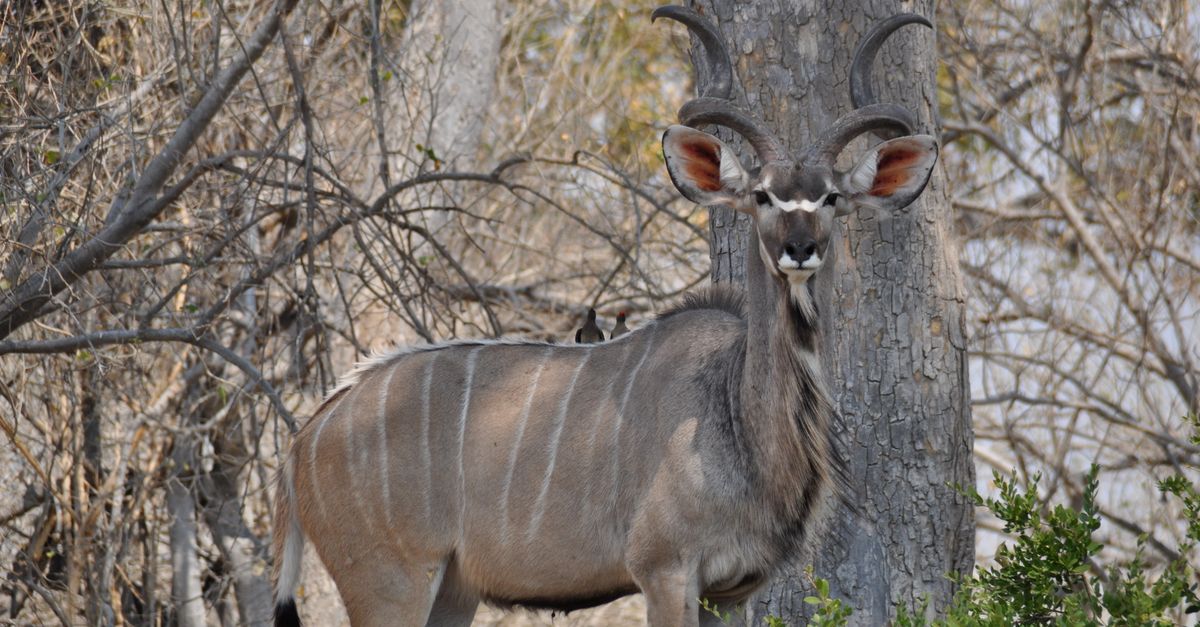
A beautiful portrait of the Greater Kudu in its natural habitat in South Africa.Greater Kruger National Park
Head to the outskirts of Kruger National Park, where you'll be lucky enough to camp for the evening with the Black Mambas at their headquarters. The Intrepid Foundation is proudly partnered with Helping Rhinos, which directly supports the work of the Black Mambas – the world's first all-female anti-poaching unit. Made up of a team of 42 young African women, the Mambas patrol 20,000 hectares of the Olifants West Nature Reserve, part of Greater Kruger National Park. Turning a traditionally male-dominated industry on its head, they’re putting their female prowess to work protecting the wildlife of Kruger National Park in an unconventional way. You'll join them on a bush walk to learn how they find and destroy snares firsthand. Later, enjoy a special dinner by lantern light, then relax by the campfire with the Black Mambas as they share stories about their path to becoming rangers and their conservation work.
Map showing Greater Kruger National Park
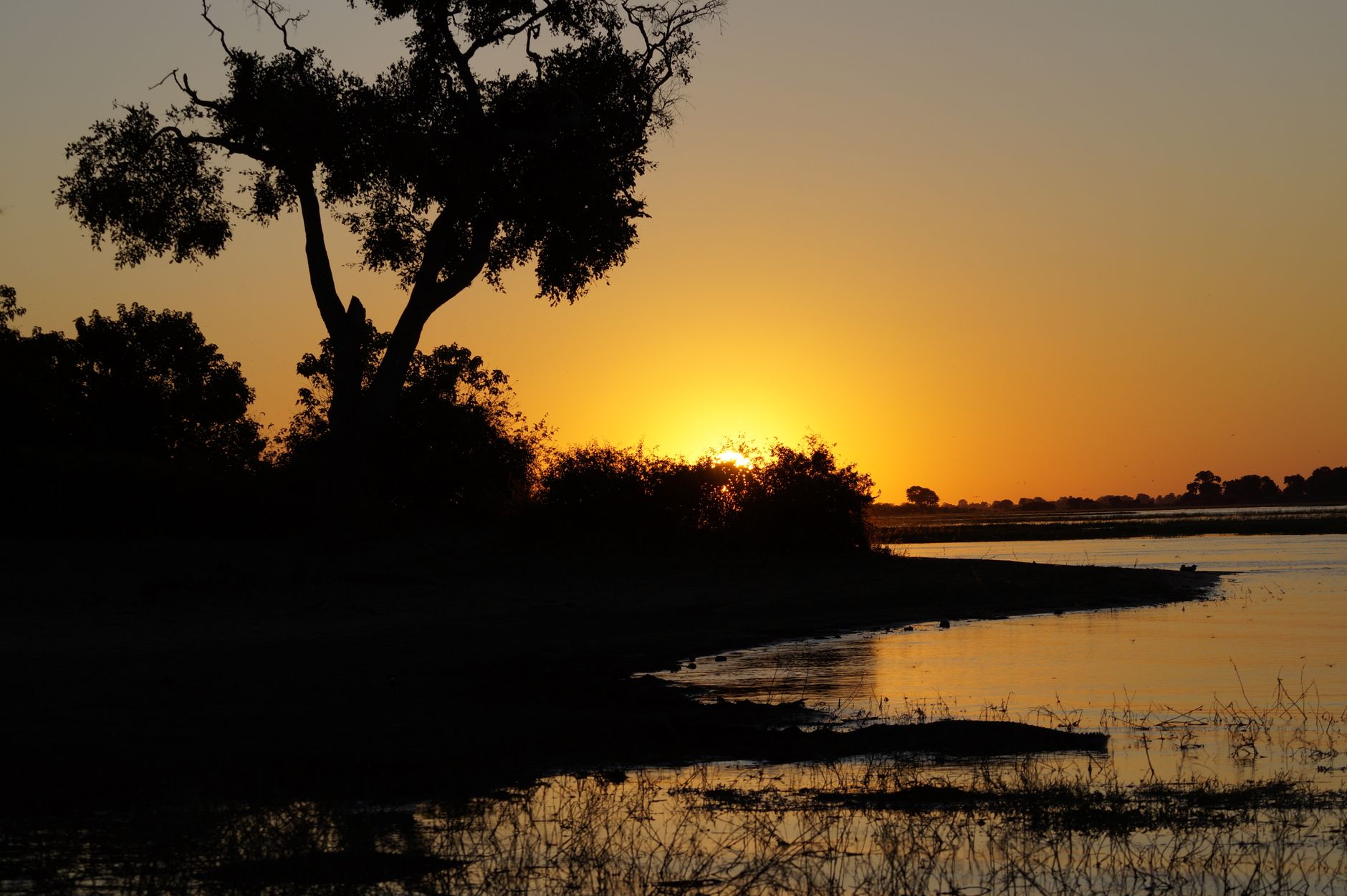
Captivating sunset over a tranquil waterside in Nunga, Botswana, with silhouetted trees.
Your journey through

Botswana

Day 5Goo Moremi GorgeSay farewell to the Black Mambas and head straight for the Botswana border as you travel towards Goo Moremi Gorge. Perennial streams have carved deep gorges into the hills at this beautiful national heritage site. Here, waterfalls cascade into deep pools surrounded by lush vegetation. The gorges are home to many birds that feed on fish and small crabs in the pools and are breeding grounds for the endangered Cape vulture. Baboons and rock rabbits live on the cliffs above the gorge and, though very elusive, leopards, hyenas and kudu can also be found here.
A stunning Greater Kudu standing gracefully in Moremi, Botswana's wilderness.Goo Moremi Gorge
Say farewell to the Black Mambas and head straight for the Botswana border as you travel towards Goo Moremi Gorge. Perennial streams have carved deep gorges into the hills at this beautiful national heritage site. Here, waterfalls cascade into deep pools surrounded by lush vegetation. The gorges are home to many birds that feed on fish and small crabs in the pools and are breeding grounds for the endangered Cape vulture. Baboons and rock rabbits live on the cliffs above the gorge and, though very elusive, leopards, hyenas and kudu can also be found here.
Map showing Goo Moremi Gorge
Day 6NataToday, you'll journey from Palapye to Nata. Your lodge is situated on the edge of the amazing Makgadikgadi Salt Pans. Covering some 12,000 sq km, this is one of the largest salt flats in the world. When you arrive, take a 3-hour excursion in an open vehicle to explore these seemingly endless plains in the Nata Bird Sanctuary. Surrounded by the Kalahari Desert, the pans are naturally dry and salty for a large part of the year. During this time, the arid landscape has an eerie feel to it as heat mirages disorientate the senses. Then, after the rains hit, it becomes a grassy refuge for migratory birds and animals. Tonight, enjoy a good night’s rest in a comfortable lodge.
Three people posing on railway tracks in Soweto, showcasing vibrant fashion and urban scenery.Nata
Today, you'll journey from Palapye to Nata. Your lodge is situated on the edge of the amazing Makgadikgadi Salt Pans. Covering some 12,000 sq km, this is one of the largest salt flats in the world. When you arrive, take a 3-hour excursion in an open vehicle to explore these seemingly endless plains in the Nata Bird Sanctuary. Surrounded by the Kalahari Desert, the pans are naturally dry and salty for a large part of the year. During this time, the arid landscape has an eerie feel to it as heat mirages disorientate the senses. Then, after the rains hit, it becomes a grassy refuge for migratory birds and animals. Tonight, enjoy a good night’s rest in a comfortable lodge.
Map showing Nata
Aerial view of lush, rocky hills in Zimbabwe under a cloudy sky, showcasing natural beauty.
Your journey through

Zimbabwe

Day 7Victoria FallsToday you'll travel on to Victoria Falls, crossing the border into Zimbabwe. Have lunch, then continue to your permanent tent, set within a large rest camp. After settling in, you may want to set out on a highly recommended optional trip to visit Victoria Falls. Spanning about a mile wide and falling 108 m into a narrow gorge below, the spray from the falls can sometimes be seen from kilometres away. In the dry season, the view of the falls is unobstructed by spray and it's possible to see little islets in the river below. Otherwise, a range of other activities are available through the local activity centre. This evening, why not join your group for dinner and celebrate the adventures you've shared.
A stunning view of a waterfall cascading surrounded by dense forest.Victoria Falls
Today you'll travel on to Victoria Falls, crossing the border into Zimbabwe. Have lunch, then continue to your permanent tent, set within a large rest camp. After settling in, you may want to set out on a highly recommended optional trip to visit Victoria Falls. Spanning about a mile wide and falling 108 m into a narrow gorge below, the spray from the falls can sometimes be seen from kilometres away. In the dry season, the view of the falls is unobstructed by spray and it's possible to see little islets in the river below. Otherwise, a range of other activities are available through the local activity centre. This evening, why not join your group for dinner and celebrate the adventures you've shared.
Map showing Victoria Falls
Day 8Victoria FallsSpend the day soaking in the sights and sounds of Victoria Falls until your next welcome meeting at 6 pm tonight. Maybe explore the magnificent falls – a thundering curtain of water approximately 1.5 km wide, falling 108 m into a narrow gorge below. In the wet season, the spray created can rise to an incredible 400 m, and the falls become a raging torrent. In the dry season, the view of the falls is unobstructed by spray, and you can see little islets in the river below. After the welcome meeting, sit down to a traditional Zimbabwean dinner and cultural performance by White Star, who celebrate and preserve African stories and values through movement, while their profits go to supporting vulnerable groups and providing free dance lessons to local youth. Dinner will feature local Zimbabwean dishes, including village-style goat stew and peanut butter rice.
Stunning view of Victoria Falls cascading with vibrant energy, surrounded by lush greenery.Victoria Falls
Spend the day soaking in the sights and sounds of Victoria Falls until your next welcome meeting at 6 pm tonight. Maybe explore the magnificent falls – a thundering curtain of water approximately 1.5 km wide, falling 108 m into a narrow gorge below. In the wet season, the spray created can rise to an incredible 400 m, and the falls become a raging torrent. In the dry season, the view of the falls is unobstructed by spray, and you can see little islets in the river below. After the welcome meeting, sit down to a traditional Zimbabwean dinner and cultural performance by White Star, who celebrate and preserve African stories and values through movement, while their profits go to supporting vulnerable groups and providing free dance lessons to local youth. Dinner will feature local Zimbabwean dishes, including village-style goat stew and peanut butter rice.
Map showing Victoria Falls
Captivating sunset over a tranquil waterside in Nunga, Botswana, with silhouetted trees.
Your journey through

Botswana

Day 9Chobe National ParkTravel to Chobe National Park in Botswana this morning. You’ll stop at the Victoria Falls Wildlife Trust along the way – one of The Intrepid Foundation’s projects. Here, you’ll learn about the rescue and rehabilitation of wildlife, the human-wildlife conflict and the trust’s role in anti-poaching. There may also be a chance to meet any rescued or orphaned wildlife currently in their care. Chobe National Park was the first national park to be established in Botswana and is best known for its high concentration of elephants, which can often be seen swimming in the Chobe River. The river also attracts wallowing hippos, a variety of birdlife and crocodiles that like to sun themselves by the water's edge. Cheetahs and lions also come down to drink in the river, so if you’re lucky, you might spot one of the predators, too! In the late afternoon, embark on a scenic sunset cruise on the Chobe River guided by an expert local guide and look out for wildlife.
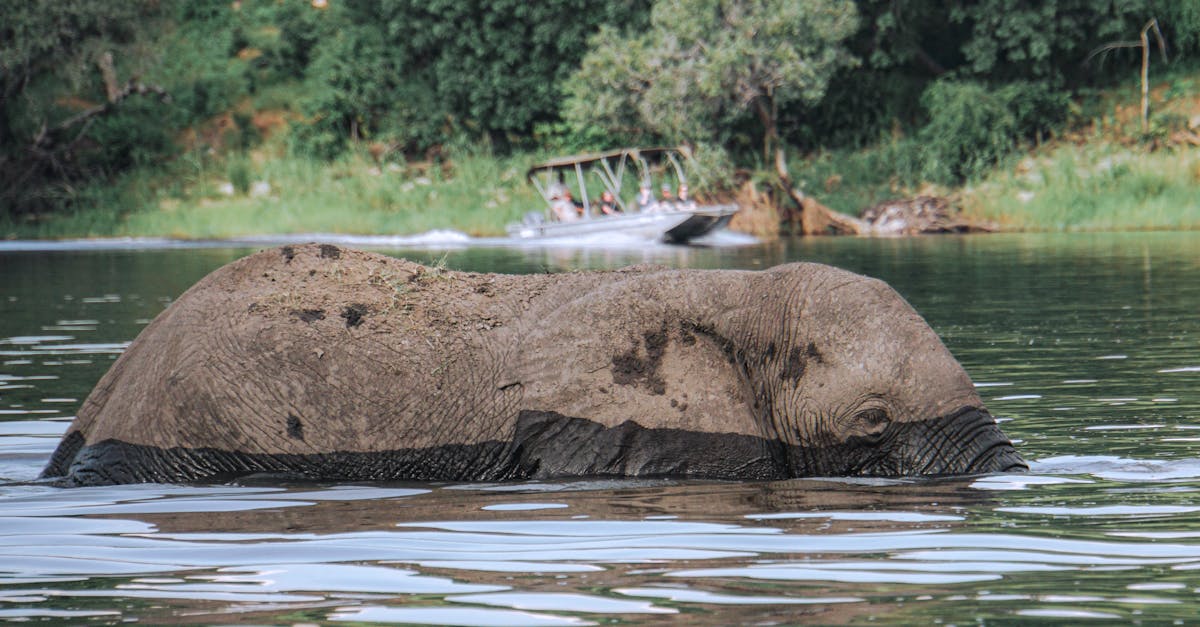
An African elephant partially submerged in a water body in Botswana's lush wildlife habitat.Chobe National Park
Travel to Chobe National Park in Botswana this morning. You’ll stop at the Victoria Falls Wildlife Trust along the way – one of The Intrepid Foundation’s projects. Here, you’ll learn about the rescue and rehabilitation of wildlife, the human-wildlife conflict and the trust’s role in anti-poaching. There may also be a chance to meet any rescued or orphaned wildlife currently in their care. Chobe National Park was the first national park to be established in Botswana and is best known for its high concentration of elephants, which can often be seen swimming in the Chobe River. The river also attracts wallowing hippos, a variety of birdlife and crocodiles that like to sun themselves by the water's edge. Cheetahs and lions also come down to drink in the river, so if you’re lucky, you might spot one of the predators, too! In the late afternoon, embark on a scenic sunset cruise on the Chobe River guided by an expert local guide and look out for wildlife.
Map showing Chobe National Park
Day 10MaunThis morning, there's time for a morning game drive for those who would like to further explore this beautiful park. As well as elephants, you might see some of Chobe National Park's other noble creatures – from giraffes and zebras to impala and tsessebe (African antelope). Then, it's time to head to Maun. This town is the gateway to one of the world's most famous and most complex ecosystems – the Okavango Delta. It’s a bit of a long drive to get there, so grab a window seat if you can and take the opportunity to soak in the everchanging landscape.
Wild African elephants in Botswana's savannah, displaying natural behavior.Maun
This morning, there's time for a morning game drive for those who would like to further explore this beautiful park. As well as elephants, you might see some of Chobe National Park's other noble creatures – from giraffes and zebras to impala and tsessebe (African antelope). Then, it's time to head to Maun. This town is the gateway to one of the world's most famous and most complex ecosystems – the Okavango Delta. It’s a bit of a long drive to get there, so grab a window seat if you can and take the opportunity to soak in the everchanging landscape.
Map showing Maun
Day 11Okavango DeltaTravel into the unspoiled wilderness this morning for an adventurous camping experience. The Okavango Delta is unlike anything in the world – a 16,000 square km maze of wetlands made up of waterways, green islands, lush plains and prolific wildlife. The delta is filled with diverse flora and fauna, including hippos, crocodiles, elephants and big cats, but the main attraction is really the incredible ecosystem. You'll explore the waterways by mokoros (traditional dugout canoes navigated by friendly local 'polers'). Spend some time exploring on foot with your experienced and knowledgeable guides and learn more about how the delta works. Tonight, camp on a remote island in the heart of the wilds and listen to the nocturnal creatures of the African bush come to life as the sun goes down.
A yawning hippopotamus in a serene water scene at sunset in Botswana.Okavango Delta
Travel into the unspoiled wilderness this morning for an adventurous camping experience. The Okavango Delta is unlike anything in the world – a 16,000 square km maze of wetlands made up of waterways, green islands, lush plains and prolific wildlife. The delta is filled with diverse flora and fauna, including hippos, crocodiles, elephants and big cats, but the main attraction is really the incredible ecosystem. You'll explore the waterways by mokoros (traditional dugout canoes navigated by friendly local 'polers'). Spend some time exploring on foot with your experienced and knowledgeable guides and learn more about how the delta works. Tonight, camp on a remote island in the heart of the wilds and listen to the nocturnal creatures of the African bush come to life as the sun goes down.
Map showing Okavango Delta
Day 12Okavango DeltaIt's an early start this morning as you venture out for a sunrise walk to catch a glimpse of some local elephants and maybe a few Cape buffalo. After, return to camp for breakfast and enjoy a leisurely free day to relax. You might like to go on an afternoon walk, or there’s the opportunity to go on another mokoro trip. You may notice that the mokoros of today are made with fibreglass (rather than wood) but retain their original shape – this keeps the traditional feel of the boats while reducing the amount of tree-cutting in the delta.
Two giraffes walking in the vibrant African savannah landscape.Okavango Delta
It's an early start this morning as you venture out for a sunrise walk to catch a glimpse of some local elephants and maybe a few Cape buffalo. After, return to camp for breakfast and enjoy a leisurely free day to relax. You might like to go on an afternoon walk, or there’s the opportunity to go on another mokoro trip. You may notice that the mokoros of today are made with fibreglass (rather than wood) but retain their original shape – this keeps the traditional feel of the boats while reducing the amount of tree-cutting in the delta.
Map showing Okavango Delta
Day 13MaunThis morning, enjoy a relaxing morning to say goodbye to the delta. Then, it’s on to your next stop. After taking down your camp, head out on a mokoro safari on your way out of the Delta then board the vehicle back to Maun. When you arrive, you’ll have the option to take a scenic helicopter flight over Maun and the delta, seeing things from a bird's eye view.
Wild African elephants in Botswana's savannah, displaying natural behavior.Maun
This morning, enjoy a relaxing morning to say goodbye to the delta. Then, it’s on to your next stop. After taking down your camp, head out on a mokoro safari on your way out of the Delta then board the vehicle back to Maun. When you arrive, you’ll have the option to take a scenic helicopter flight over Maun and the delta, seeing things from a bird's eye view.
Map showing Maun
Day 14Khama Rhino SanctuaryTravel to the Khama Rhino Sanctuary this morning. On the edge of the Kalahari Desert, the Khama Rhino Sanctuary is a community-based conservation project staffed by local village residents. Built in a former hunting area to protect Botswana's only remaining populations of both black and white rhinos, the sanctuary is also home to other wildlife including zebras, giraffes, leopards, ostriches and wildebeest, all of which can be seen around the many natural waterholes. Visiting this project benefits local communities and contributes to the protection of the highly endangered white rhinoceros. In the evening, head out on a dusk game drive in an open safari vehicle with an expert local ranger to see the rhinos (this will be replaced by a dawn game drive if the group arrives at the sanctuary too late).
Close-up of a young rhinoceros calf outdoors in the wild of South Africa, captured during the golden hour.Khama Rhino Sanctuary
Travel to the Khama Rhino Sanctuary this morning. On the edge of the Kalahari Desert, the Khama Rhino Sanctuary is a community-based conservation project staffed by local village residents. Built in a former hunting area to protect Botswana's only remaining populations of both black and white rhinos, the sanctuary is also home to other wildlife including zebras, giraffes, leopards, ostriches and wildebeest, all of which can be seen around the many natural waterholes. Visiting this project benefits local communities and contributes to the protection of the highly endangered white rhinoceros. In the evening, head out on a dusk game drive in an open safari vehicle with an expert local ranger to see the rhinos (this will be replaced by a dawn game drive if the group arrives at the sanctuary too late).
Map showing Khama Rhino Sanctuary
Day 15JohannesburgCross the border into South Africa and travel on to Johannesburg (approximately 10–11 hours). Johannesburg is a sprawling city of remarkable contrasts. As you come into town, you'll likely see opulent mansions alongside tin-roof shacks, and verdant city parks alongside the concrete. Enjoy a relaxing evening upon arrival.
Shot of Johannesburg skyline featuring the iconic Hillbrow Tower on a clear day.Johannesburg
Cross the border into South Africa and travel on to Johannesburg (approximately 10–11 hours). Johannesburg is a sprawling city of remarkable contrasts. As you come into town, you'll likely see opulent mansions alongside tin-roof shacks, and verdant city parks alongside the concrete. Enjoy a relaxing evening upon arrival.
Map showing Johannesburg
Day 16Johannesburg (Soweto)Head to Soweto and take to the streets on a bicycle. Learn about the Soweto uprising and the resistance against apartheid. It's interesting to see how the community has changed and developed into what it is today. You'll also visit a former migrant workers' hostel and stop at many other local landmarks. Your cycling adventure should finish at around 3 pm today, whereafter you will be returned to your hotel in Johannesburg. With no further activities planned, your trip comes to an end at this point.
A candid street portrait of a smiling man wearing a beanie in Johannesburg, South Africa.Johannesburg (Soweto)
Head to Soweto and take to the streets on a bicycle. Learn about the Soweto uprising and the resistance against apartheid. It's interesting to see how the community has changed and developed into what it is today. You'll also visit a former migrant workers' hostel and stop at many other local landmarks. Your cycling adventure should finish at around 3 pm today, whereafter you will be returned to your hotel in Johannesburg. With no further activities planned, your trip comes to an end at this point.
Map showing Johannesburg (Soweto)

Traveller reviews

4.7

Based on 78 reviews · via Intrepid Travel

Discover Botswana

A glimpse of the destination you'll explore.
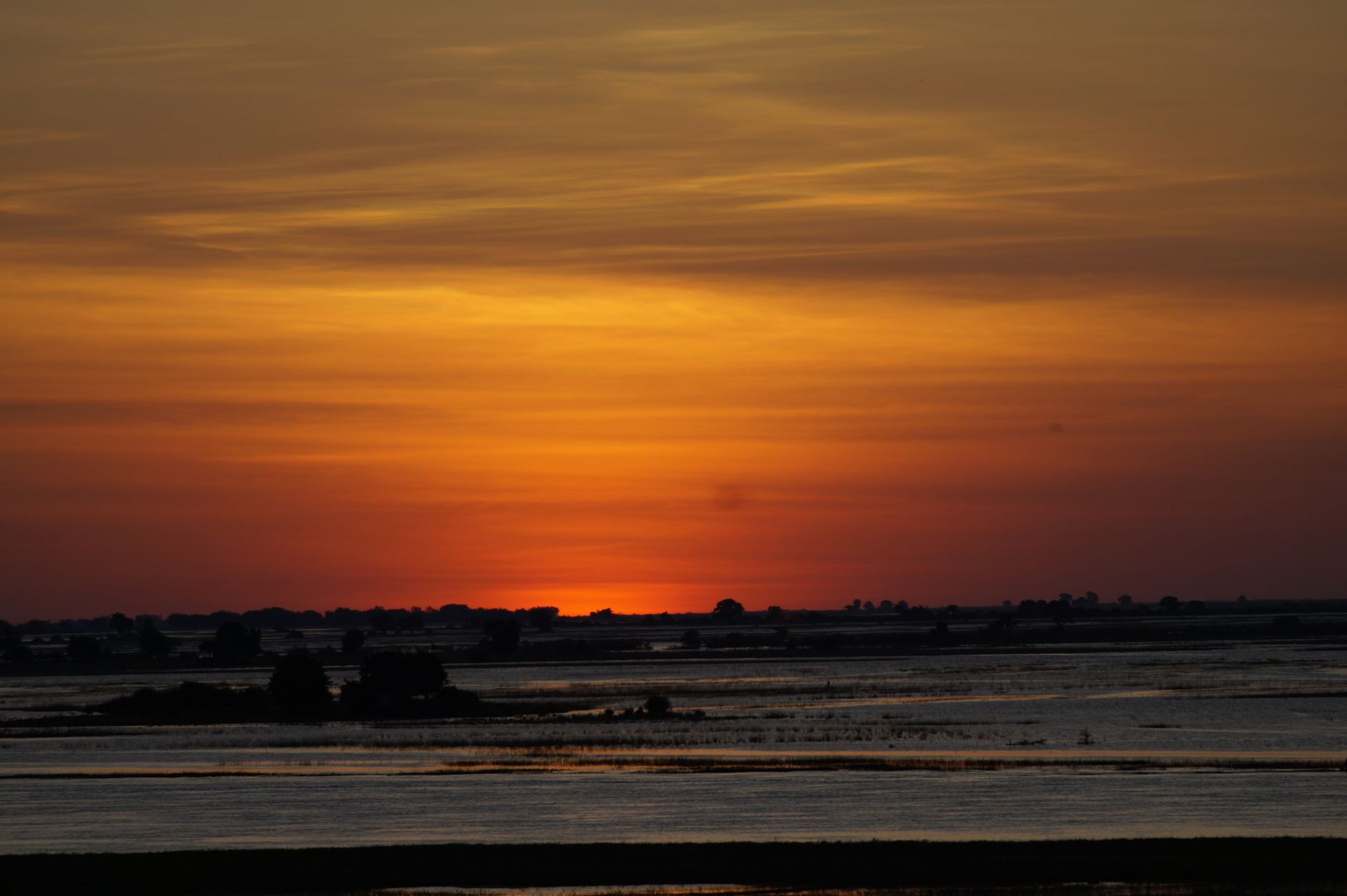
Captivating sunset over a tranquil waterside in Nunga, Botswana, with silhouetted trees.
Stunning sunset over the wetlands in Maun, Botswana, highlighting a dramatic orange sky.
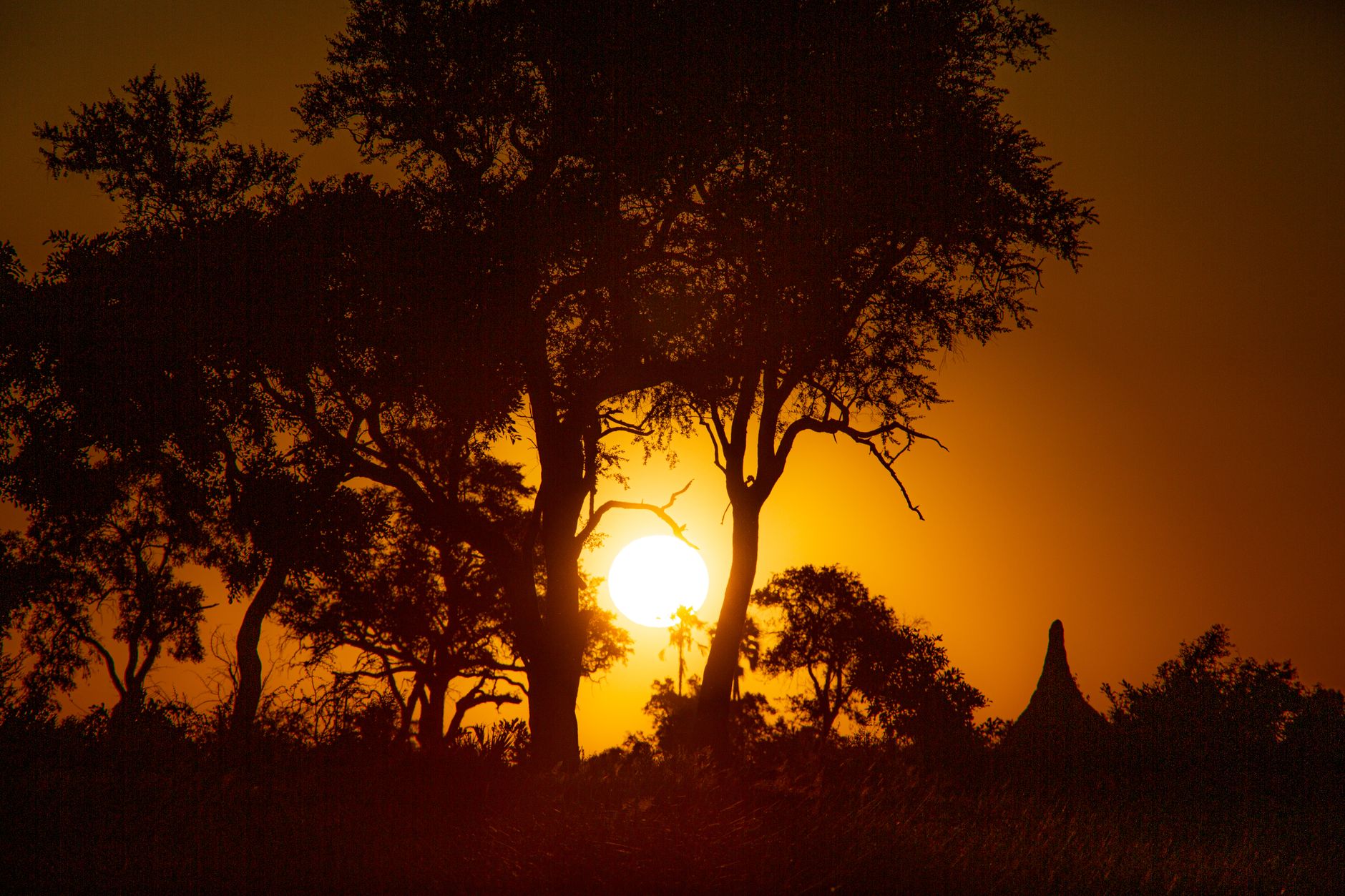
Captivating sunset over acacia silhouettes in Botswana wilderness.
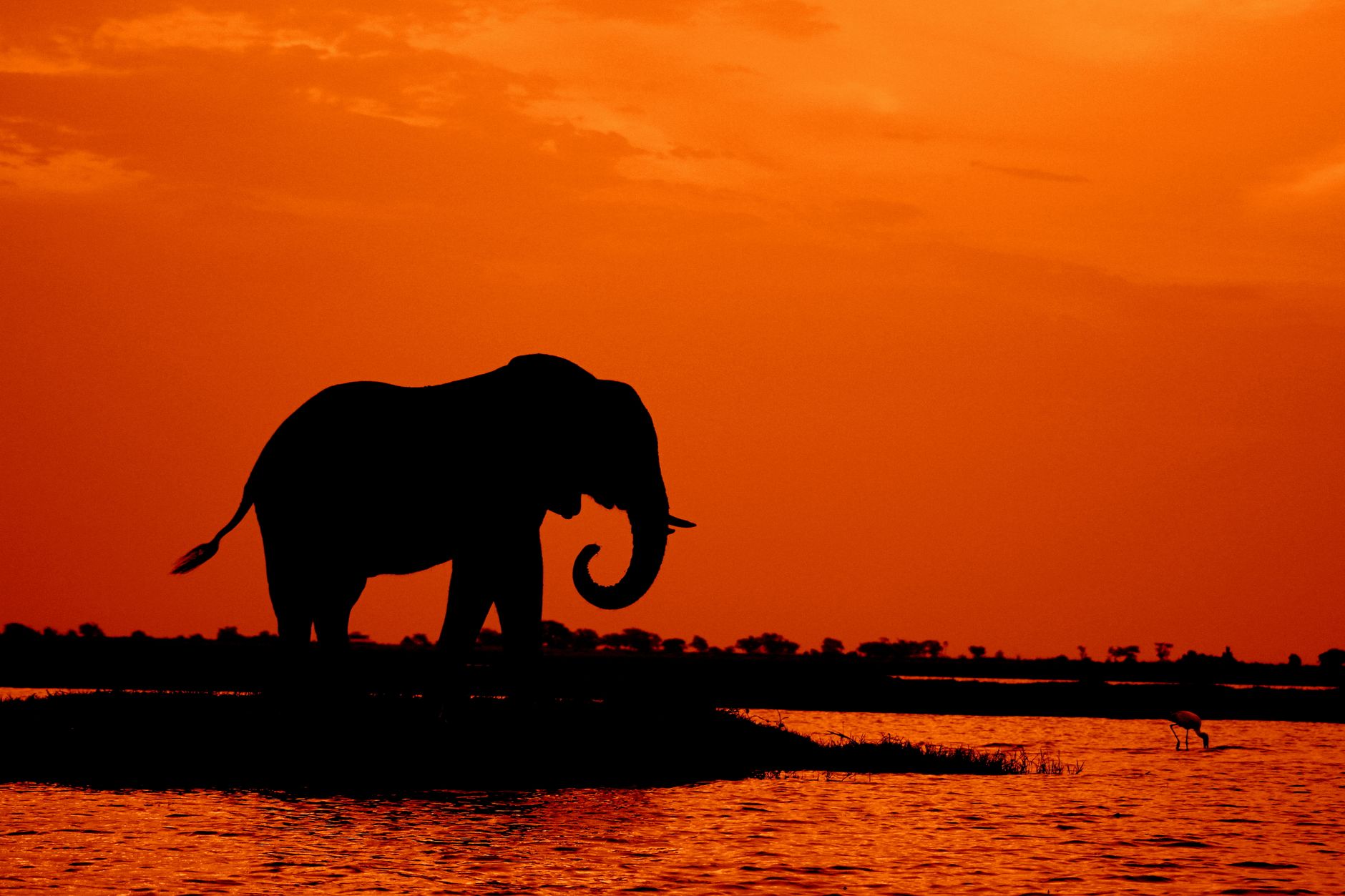
Silhouette of an elephant by a riverbank during a vibrant orange sunset in the African wilderness.
A yawning hippopotamus in a serene water scene at sunset in Botswana.

Upcoming departures

DatesPrice / personAvailability
21 Jun 20266 Jul 2026CAD 6,230Sold outBook my trip
28 Jun 202613 Jul 2026CAD 5,661On requestBook my trip
Operated by Intrepid Travel

A TripFinder-trusted operator. We compare the trip and handle your booking with a real advisor — you travel under the operator's terms.

Book my trip →

More Africa adventures

Rwanda Gorilla Adult Jungle
Intrepid Travel
Deal

Gorillas to Vic Falls

Kenya, Malawi, Tanzania, Uganda, Zambia, Zimbabwe · 42 days · Moderate5.0(2)

fromCAD 8,904
Next: 20 Jun
Elephants getting a drink in Chobe National Park, Botswana.
Intrepid Travel
Deal

Zanzibar to Cape Town

Botswana, Malawi, Namibia, South Africa, Tanzania, Zambia, Zimbabwe · 40 days · Easy4.9(29)

fromCAD 6,486
Next: 22 Jun
Nairobi to Cape Town Overland Safari & Participation Camping image
G Adventures
Save 15%

Nairobi to Cape Town Overland Safari & Participation Camping

Tanzania, Namibia, South Africa, Malawi, Botswana, Zimbabwe, Kenya, Zambia · 40 days · Moderate

fromCAD 6,719
Next: 29 Jun