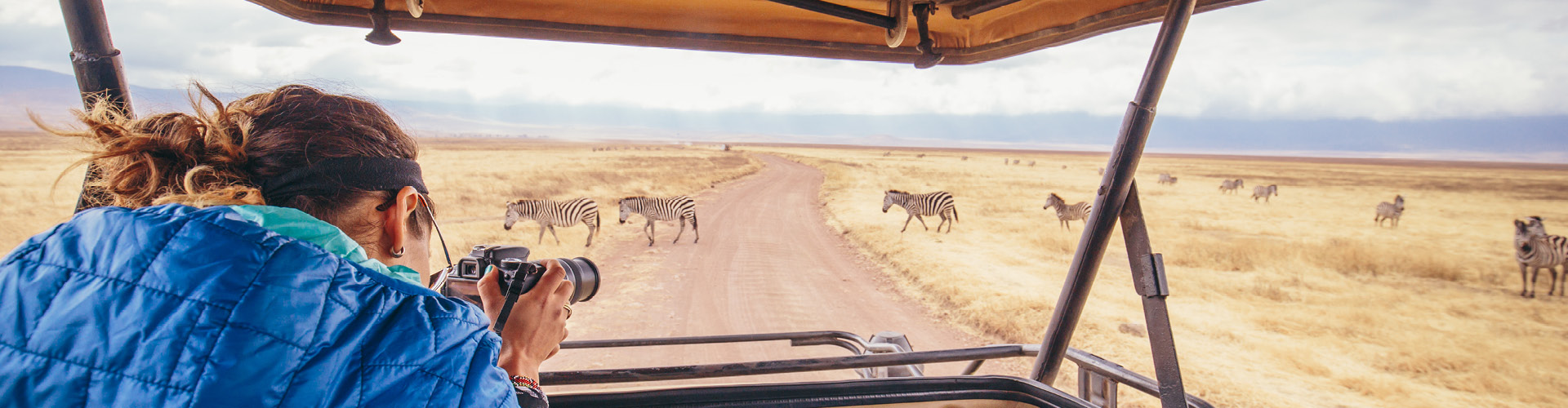
Explore the best of Botswana and Zimbabwe on a two-week safari adventure From the crashing Victoria Falls to the meandering Okavango Delta, this safari visits the best destinations in Zimbabwe and Botswana. Encounter the huge elephant herds of Chobe, search for rhinos and leopards in Matopos and spot wild dogs in Hwange. Starry skies and burnished sunsets complete the adventure.
At a glance
Duration
13 days
Route
→
Countries
Botswana
Activity level
easy
Style
Multi-Country / Grand Tour, Wildlife & Safari
Group size
Ask
Flights
Not included
Solo travellers
Ask an agent
Day by day
Your journey through
Zimbabwe
Day 1Adventure starts at Victoria Falls; to Chobe National ParkThe adventure begins at Victoria Falls, home to one of the largest waterfalls in the world. Meet the group either at the airport or at the Rainbow Hotel in Victoria Falls town (see the Joining Instructions for more information). We then transfer 75mi (120km) to Kasane, Botswana. The drive takes a little over two hours but there can be delays crossing the border. Around 6pm, say hello to your tour leader and fellow travellers where we gather as a group to get to know each other and learn more about the adventures ahead. Your tour leader then ensures a big welcome over a group dinner together. Want to explore further? Secure pre-tour nights through your sales representative.
Victoria Falls
The adventure begins at Victoria Falls, home to one of the largest waterfalls in the world. Meet the group either at the airport or at the Rainbow Hotel in Victoria Falls town (see the Joining Instructions for more information). We then transfer 75mi (120km) to Kasane, Botswana. The drive takes a little over two hours but there can be delays crossing the border. Around 6pm, say hello to your tour leader and fellow travellers where we gather as a group to get to know each other and learn more about the adventures ahead. Your tour leader then ensures a big welcome over a group dinner together. Want to explore further? Secure pre-tour nights through your sales representative.
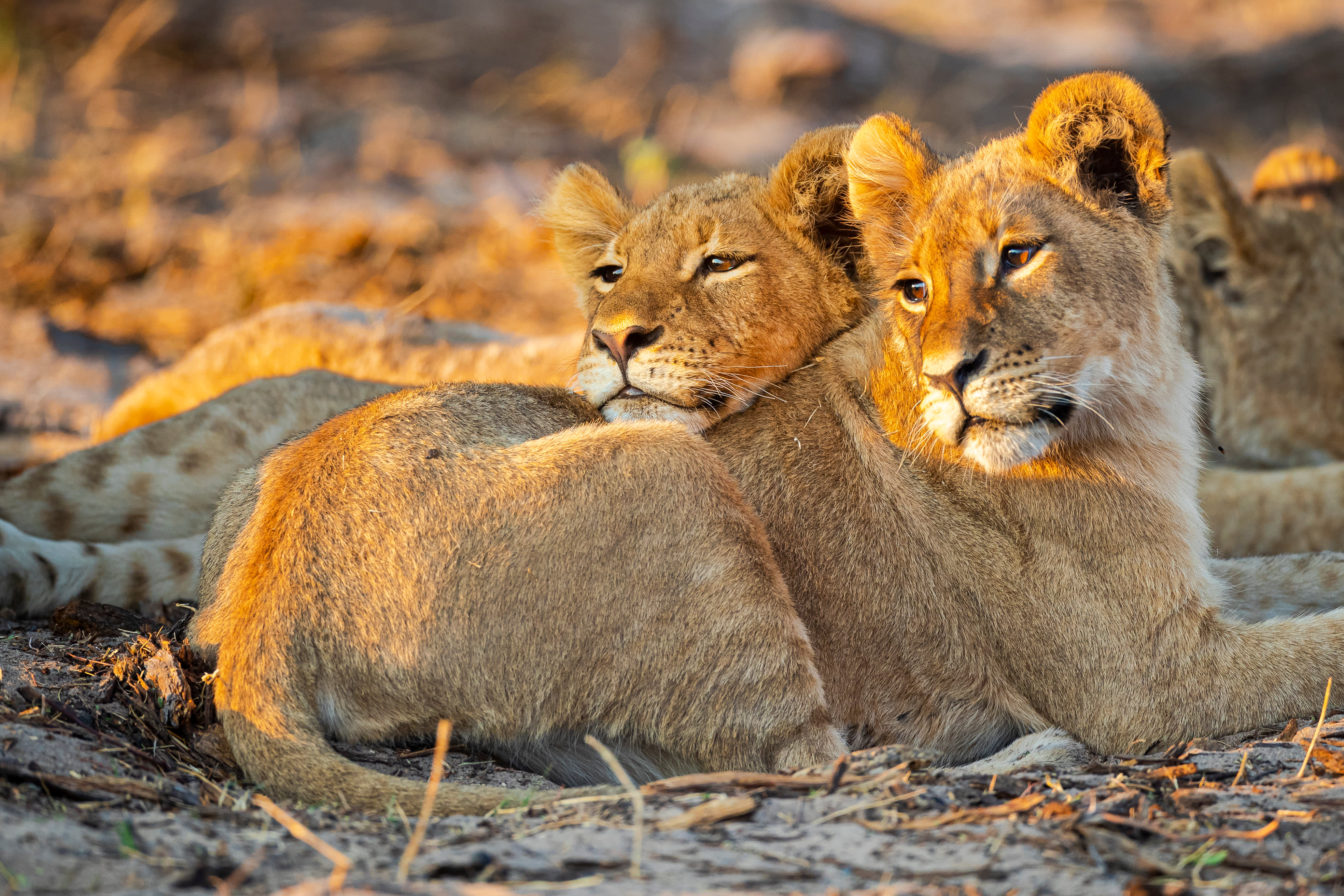
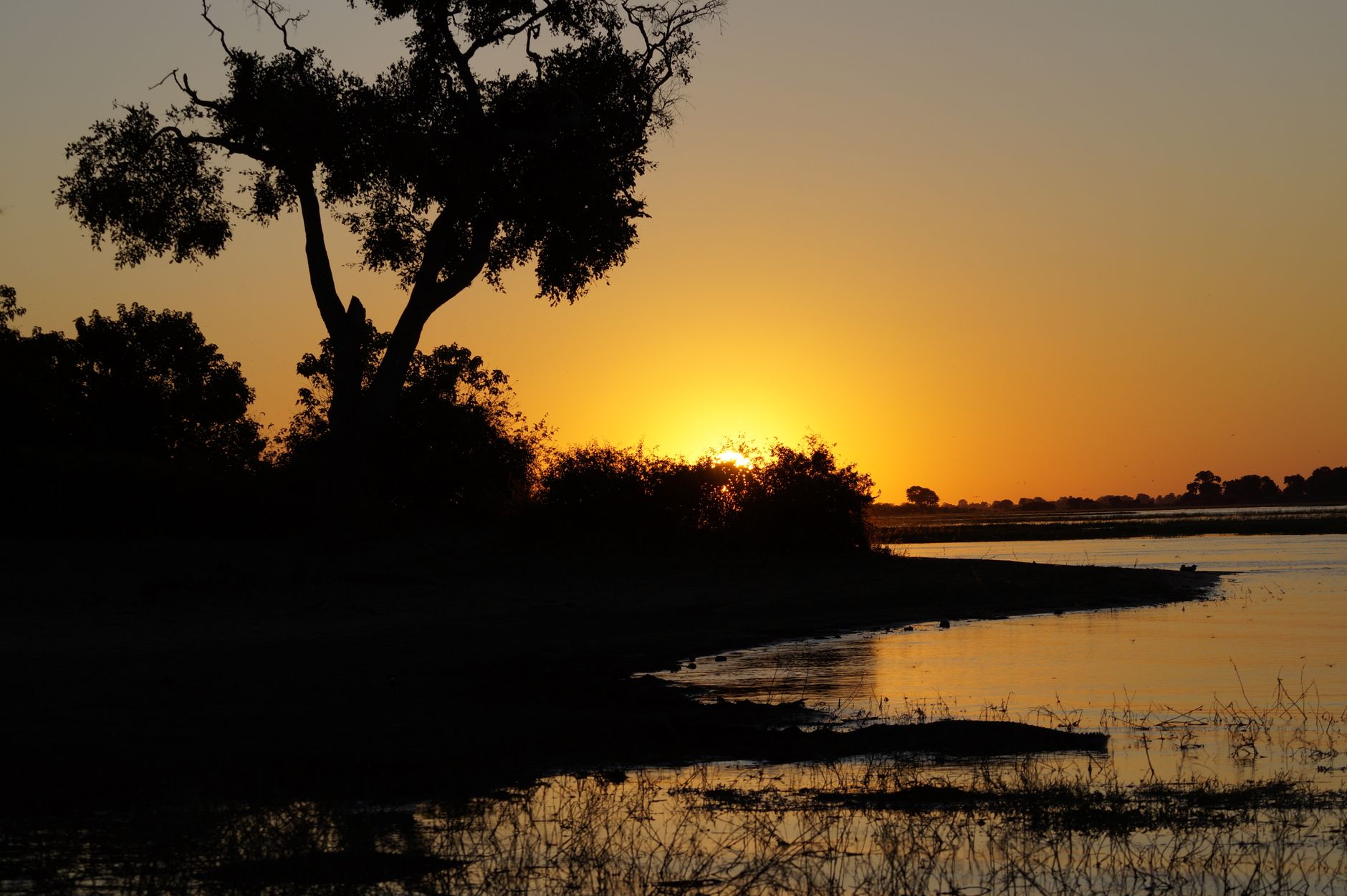
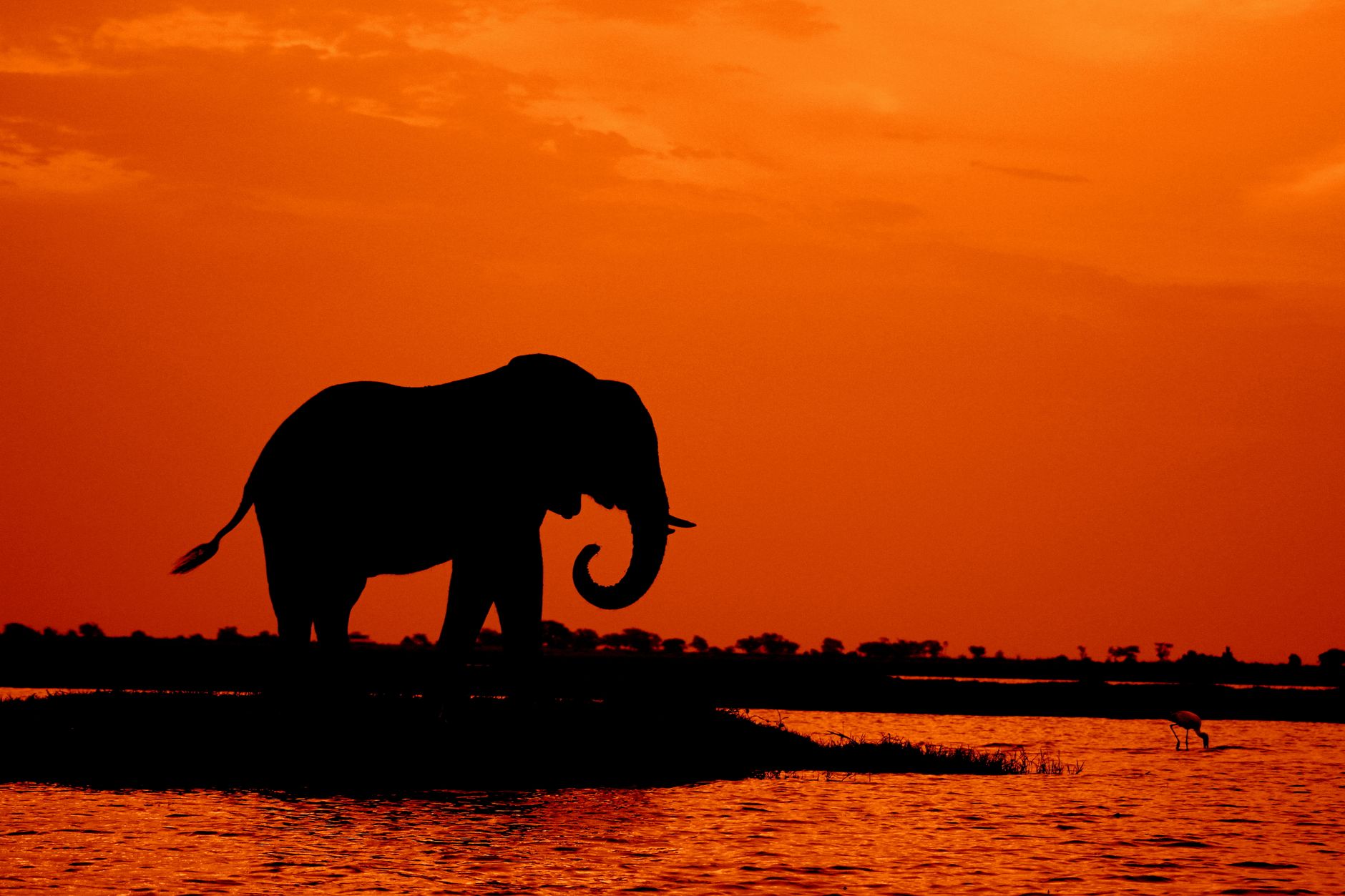
Day 2Game drive and river safari in Chobe National ParkChobe National Park is best known for its huge populations of elephants and buffalos. With an estimated 40,000 to 60,000 elephants this is, undoubtedly, the best place to see them in the world. The park is also home to wild dogs, lions, leopards and various other wildlife. We start the day by going on a game drive in one of the lodge’s open game-drive vehicles. It will be an early start as we aim to get to the park gates as they open. We spend about three hours on safari before returning to the lodge in time for brunch. There is time to relax at the lodge during the hottest part of the day or explore Kasane town (where we can get local currency) before heading out again, this time on a boat on the Chobe River. After a short transfer to the jetty, we board the boat for a three-hour safari. This is a great opportunity to view the vast herds of elephants and other wildlife from the water.
Chobe National Park is best known for its huge populations of elephants and buffalos. With an estimated 40,000 to 60,000 elephants this is, undoubtedly, the best place to see them in the world. The park is also home to wild dogs, lions, leopards and various other wildlife. We start the day by going on a game drive in one of the lodge’s open game-drive vehicles. It will be an early start as we aim to get to the park gates as they open. We spend about three hours on safari before returning to the lodge in time for brunch. There is time to relax at the lodge during the hottest part of the day or explore Kasane town (where we can get local currency) before heading out again, this time on a boat on the Chobe River. After a short transfer to the jetty, we board the boat for a three-hour safari. This is a great opportunity to view the vast herds of elephants and other wildlife from the water.
Day 3Transfer to MaunToday is a long drive as we transfer the 375mi (600km) between Kasane and Maun, the town on the edge of the Okavango Delta. We’ll stop en route for lunch at the edge of the Makgadikgadi Pan before arriving in Maun mid-afternoon. We spend time in town getting supplies (this is a chance for you to get any extra drinks or snacks you may want while in the delta). From here, it’s only a short drive out of town to our lodge.
Today is a long drive as we transfer the 375mi (600km) between Kasane and Maun, the town on the edge of the Okavango Delta. We’ll stop en route for lunch at the edge of the Makgadikgadi Pan before arriving in Maun mid-afternoon. We spend time in town getting supplies (this is a chance for you to get any extra drinks or snacks you may want while in the delta). From here, it’s only a short drive out of town to our lodge.
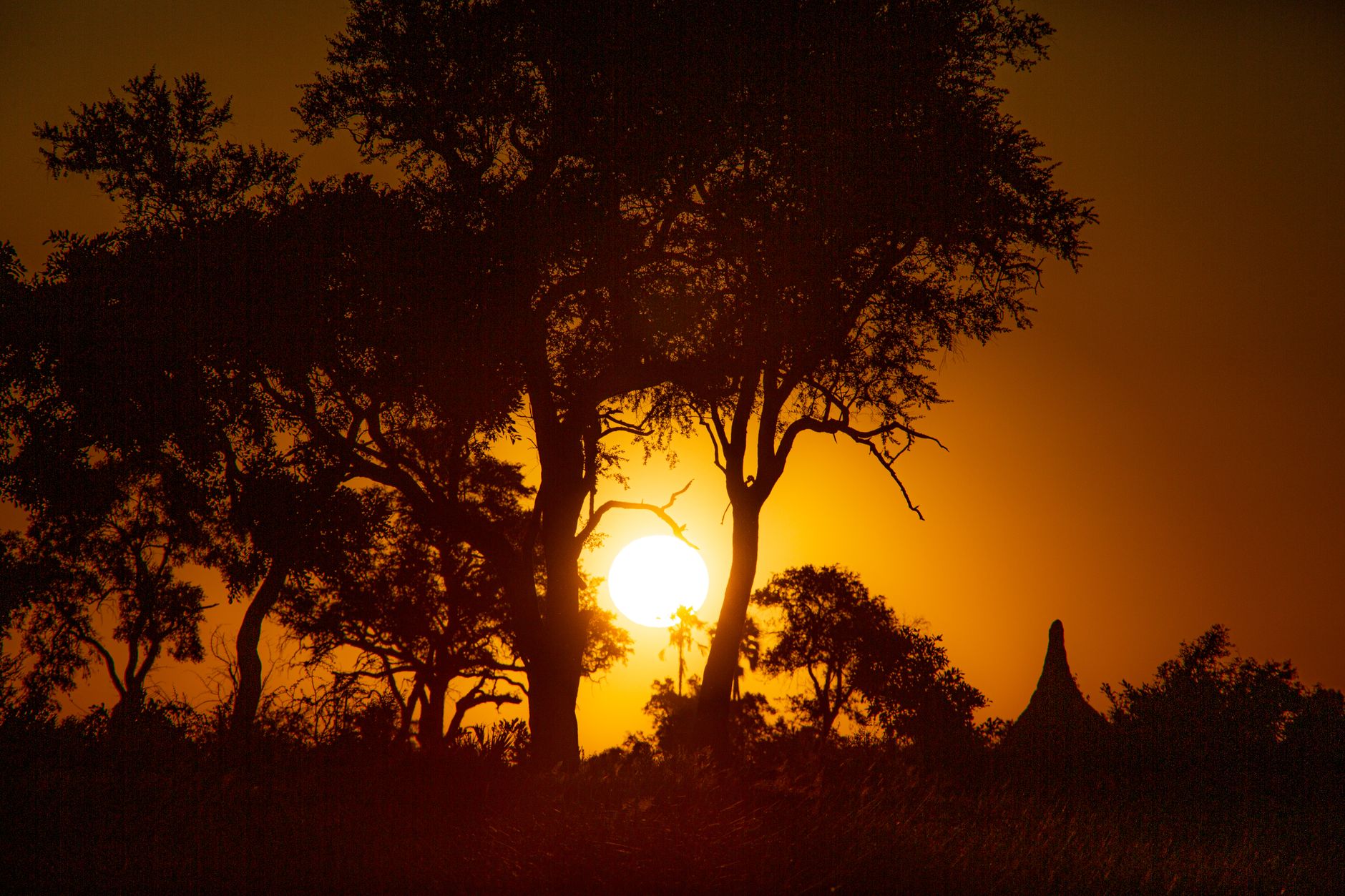
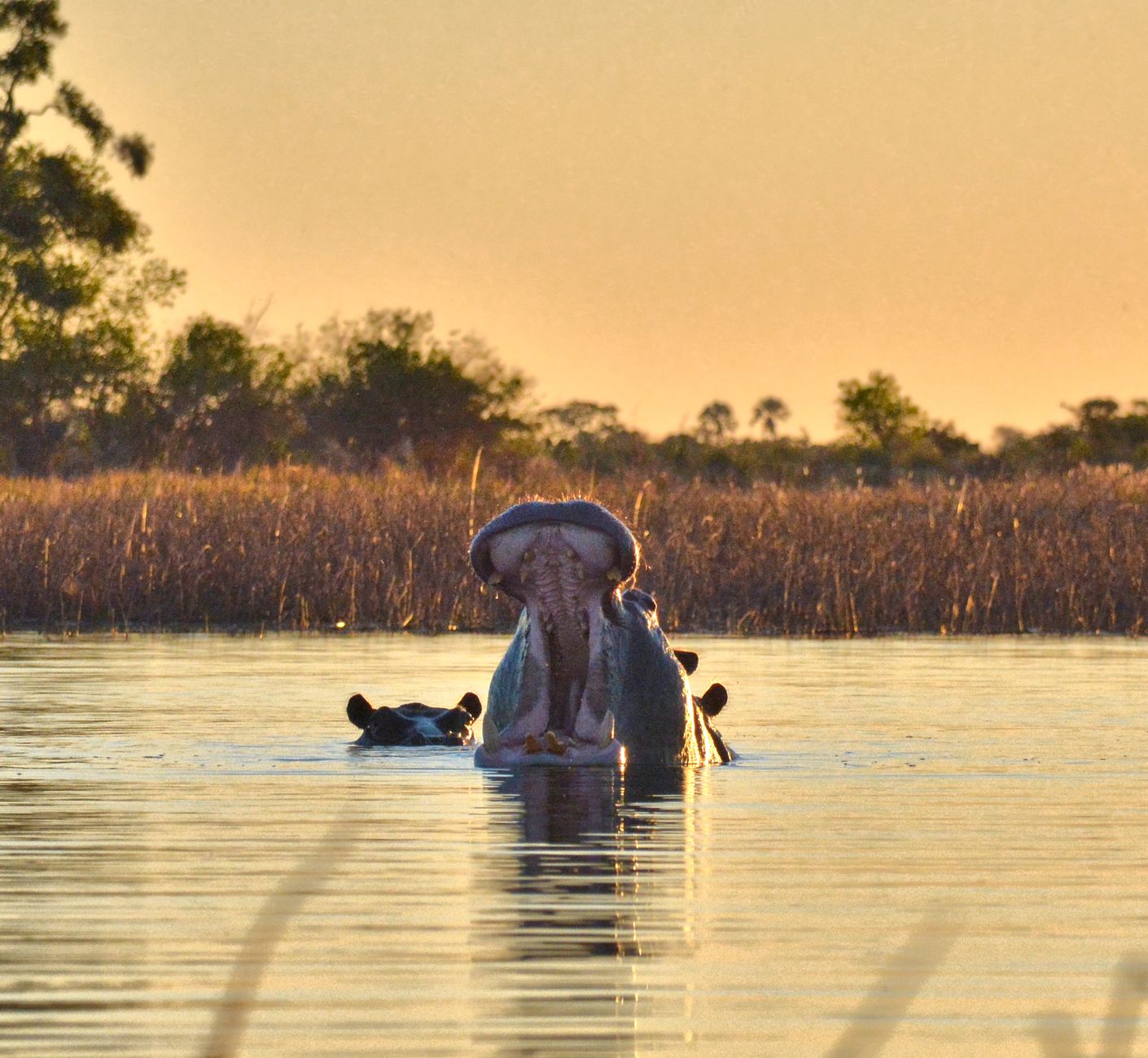
Day 4Explore the Okavango Delta by foot and dugout canoeThe Okavango River, after travelling 995mi (1,600km) from the highlands of Angola, reaches the Kalahari and spreads into a large swamp where the water transpires into the plant life and evaporates, never reaching the sea. This makes the Okavango Delta, as this swamp is known, one of the largest inland deltas on Earth and a true natural wonder. The delta islands are home to a vast array of wildlife, including all the usual suspects, though numbers reach their peak during the dryer winter months when animals, including many of the larger ones, migrate here. We head into the delta in mokoro dugout canoes poled by local villagers who have grown up here. Camping with our local guides, we learn more about their lifestyle and culture; in the evening of Day 5, we're also treated to traditional music and dance of the BaYei and Hambukushu ethnic groups, an unforgettable chance to learn more about their culture. The camp will be put up by the polers and we use canvas dome tents with camp stretchers, mattresses, sleeping bags and pillows provided. There is also a gazebo for shade, which doubles as a mess tent. Please note, you only need to take luggage for two nights – bags will be provided. In the delta, we get to experience African wilderness at its fullest, not least at night when the Milky Way can be seen across the sky with a billion twinkling stars. We spend the next two days exploring the waterways and islands by mokoro canoe and on foot looking for wildlife and enjoying this amazing part of Africa.
The Okavango River, after travelling 995mi (1,600km) from the highlands of Angola, reaches the Kalahari and spreads into a large swamp where the water transpires into the plant life and evaporates, never reaching the sea. This makes the Okavango Delta, as this swamp is known, one of the largest inland deltas on Earth and a true natural wonder. The delta islands are home to a vast array of wildlife, including all the usual suspects, though numbers reach their peak during the dryer winter months when animals, including many of the larger ones, migrate here. We head into the delta in mokoro dugout canoes poled by local villagers who have grown up here. Camping with our local guides, we learn more about their lifestyle and culture; in the evening of Day 5, we're also treated to traditional music and dance of the BaYei and Hambukushu ethnic groups, an unforgettable chance to learn more about their culture. The camp will be put up by the polers and we use canvas dome tents with camp stretchers, mattresses, sleeping bags and pillows provided. There is also a gazebo for shade, which doubles as a mess tent. Please note, you only need to take luggage for two nights – bags will be provided. In the delta, we get to experience African wilderness at its fullest, not least at night when the Milky Way can be seen across the sky with a billion twinkling stars. We spend the next two days exploring the waterways and islands by mokoro canoe and on foot looking for wildlife and enjoying this amazing part of Africa.
Day 5Morning walking safari; return to MaunThis morning, we have our last mokoro ride as we return to the edge of the delta before returning to Maun. The afternoon is free to relax by the pool or take an optional flight over the delta.
This morning, we have our last mokoro ride as we return to the edge of the delta before returning to Maun. The afternoon is free to relax by the pool or take an optional flight over the delta.
Day 6To NataAfter a brief stop in Maun to resupply, we transfer 185mi (300km) to Nata, arriving mid-afternoon. Later, we gather together, either at the Makgadikgadi Salt Pan or Elephant Sands water hole, to enjoy an unforgettable sundowner together.
After a brief stop in Maun to resupply, we transfer 185mi (300km) to Nata, arriving mid-afternoon. Later, we gather together, either at the Makgadikgadi Salt Pan or Elephant Sands water hole, to enjoy an unforgettable sundowner together.
Day 7Enter Zimbabwe; to Matobo National ParkToday we continue our journey back to Zimbabwe. We go via Francistown and Bulawayo on our way to Matobo National Park. The journey is about 235mi (380km) and driving time shouldn’t be much more than about five hours; however, the border crossing can be busy and may take between two and three hours. We stay in chalets just outside the park and can enjoy sundowners from the granite ridge overlooking the park.
Today we continue our journey back to Zimbabwe. We go via Francistown and Bulawayo on our way to Matobo National Park. The journey is about 235mi (380km) and driving time shouldn’t be much more than about five hours; however, the border crossing can be busy and may take between two and three hours. We stay in chalets just outside the park and can enjoy sundowners from the granite ridge overlooking the park.
Day 8Game drive and walking safari in Matobo National ParkMatobo National Park, also known as Matopos National Park, is an area known for wildlife and kopjes (giant boulders that seem to be stacked precariously). The park is one of the best places to see both black and white rhinos and has a very dense population of leopards (though these predators are still elusive). It is also home to a third of all eagle species. These hills were once populated by the indigenous San people, who have left their mark with rock paintings depicting giraffes, elands and kudu. It was also the colonialist Cecil Rhodes’ favourite place and where he asked to be buried. We enter Matobo National Park early in the morning and go on a game drive followed by a game walk where we hope to see rhino. We visit World’s End, where Cecil Rhodes is buried, and see some of the granite formations and rock paintings. We spend most of the day inside the park returning to the lodge in the afternoon.
Matobo National Park, also known as Matopos National Park, is an area known for wildlife and kopjes (giant boulders that seem to be stacked precariously). The park is one of the best places to see both black and white rhinos and has a very dense population of leopards (though these predators are still elusive). It is also home to a third of all eagle species. These hills were once populated by the indigenous San people, who have left their mark with rock paintings depicting giraffes, elands and kudu. It was also the colonialist Cecil Rhodes’ favourite place and where he asked to be buried. We enter Matobo National Park early in the morning and go on a game drive followed by a game walk where we hope to see rhino. We visit World’s End, where Cecil Rhodes is buried, and see some of the granite formations and rock paintings. We spend most of the day inside the park returning to the lodge in the afternoon.
Your journey through
Botswana
Day 9Drive to Hwange National ParkAfter a breakfast we make a quick stop in Bulawayo this morning to resupply before driving 210mi (335km) north to Hwange National Park. The largest national park in Zimbabwe, Hwange covers 5,640sqmi (14,600sqkm) of mopane and teak woodlands and grasslands. It is home to more than 100 mammal species and 400 bird species including all of the specially protected animals in the country. The most famous inhabitants are the elephants and wild dogs, and it is the only place where gemsbok and brown hyena live in reasonable numbers in Zimbabwe. We stay in a property within a game-management area that neighbours the park.
Hwange National Park
After a breakfast we make a quick stop in Bulawayo this morning to resupply before driving 210mi (335km) north to Hwange National Park. The largest national park in Zimbabwe, Hwange covers 5,640sqmi (14,600sqkm) of mopane and teak woodlands and grasslands. It is home to more than 100 mammal species and 400 bird species including all of the specially protected animals in the country. The most famous inhabitants are the elephants and wild dogs, and it is the only place where gemsbok and brown hyena live in reasonable numbers in Zimbabwe. We stay in a property within a game-management area that neighbours the park.
Day 10Full-day safari in Hwange National ParkWe spend all day on a 4x4 open game drive in search of Hwange wildlife.
We spend all day on a 4x4 open game drive in search of Hwange wildlife.
Your journey through
Zimbabwe
Day 11Visit Victoria FallsAfter a slightly later start to the day, we take a short, final drive back to Victoria Falls, arriving at Victoria Falls town around lunchtime. In the afternoon, we head out towards the mighty falls themselves. Measuring 5,580ft (1,700m) wide and 330ft (100m) high, Victoria Falls is the largest waterfall in the world. The volume of water changes with the seasons but, when full, the spray rises into the sky – a phenomenon that has given the falls their local name Mosi o Tunya, the Smoke that Thunders. They are a site to behold and one that impressed Dr David Livingstone so much that he said: 'Scenes so lovely must have been gazed upon by angels in their flight.’
Victoria Falls
After a slightly later start to the day, we take a short, final drive back to Victoria Falls, arriving at Victoria Falls town around lunchtime. In the afternoon, we head out towards the mighty falls themselves. Measuring 5,580ft (1,700m) wide and 330ft (100m) high, Victoria Falls is the largest waterfall in the world. The volume of water changes with the seasons but, when full, the spray rises into the sky – a phenomenon that has given the falls their local name Mosi o Tunya, the Smoke that Thunders. They are a site to behold and one that impressed Dr David Livingstone so much that he said: 'Scenes so lovely must have been gazed upon by angels in their flight.’
Day 12Full day at Victoria Falls for optional activitiesToday is a free day to enjoy the many activities on offer here, such as white-water rafting, taking a flight over the falls, going on a sunset cruise or crossing into neighbouring Zambia to see the falls from another perspective.
Victoria Falls
Today is a free day to enjoy the many activities on offer here, such as white-water rafting, taking a flight over the falls, going on a sunset cruise or crossing into neighbouring Zambia to see the falls from another perspective.
Day 13Adventure ends at Victoria FallsYou've explored the Okavango Delta by mokoro, spotted iconic safari animals and camped under the African sky, but now our adventure comes to an end. Alternatively, if you’d like more time to experience the wonder that is Victoria Falls, speak to your sales representative about extending your stay.
Victoria Falls
You've explored the Okavango Delta by mokoro, spotted iconic safari animals and camped under the African sky, but now our adventure comes to an end. Alternatively, if you’d like more time to experience the wonder that is Victoria Falls, speak to your sales representative about extending your stay.
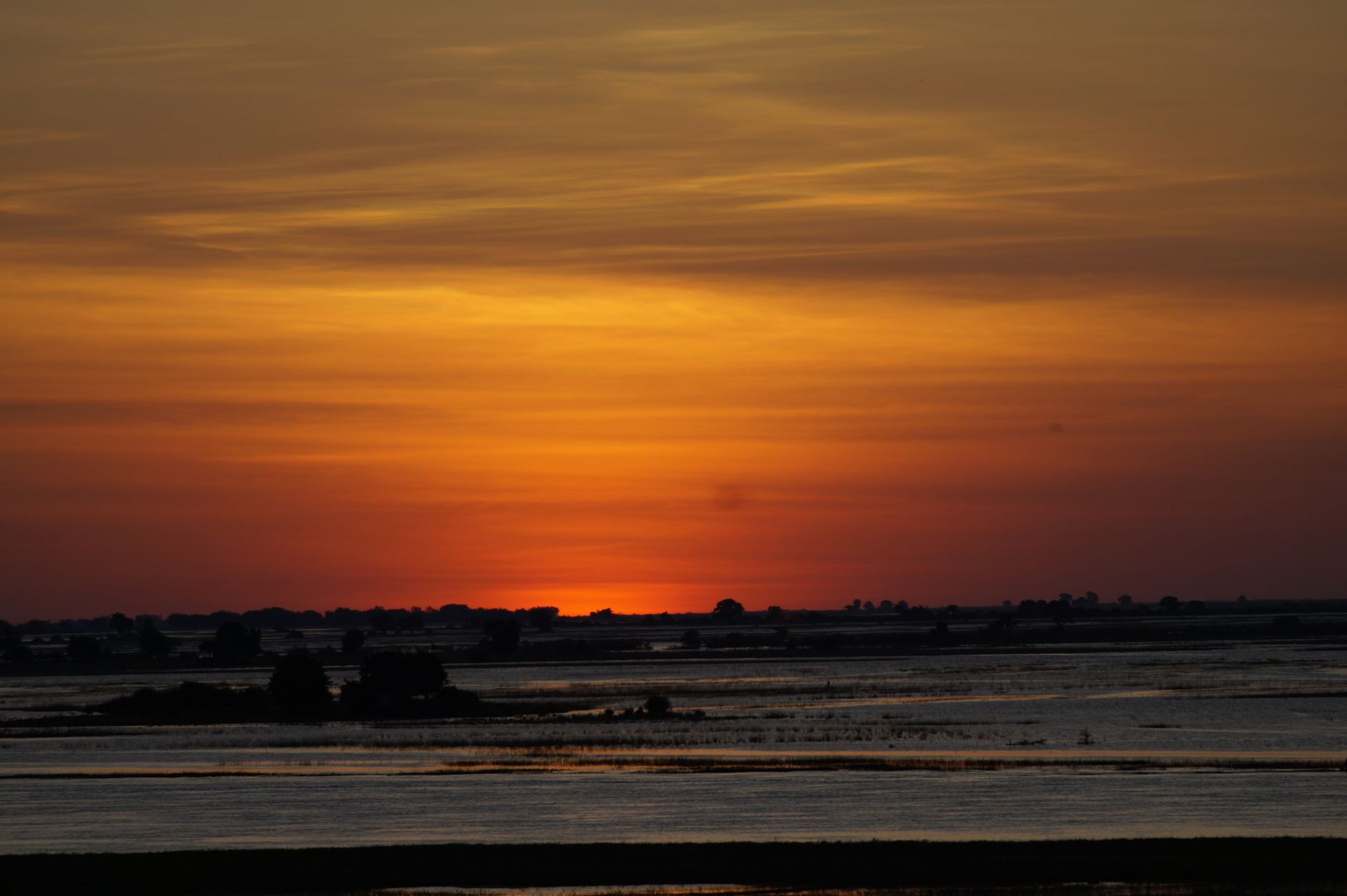
Discover Botswana
A glimpse of the destination you'll explore.
Upcoming departures
DatesPrice / personAvailability
6 Jun 2026 – 19 Jun 2026CAD 10,070Only a few spotsBook my trip
14 Jun 2026 – 27 Jun 2026CAD 10,070Only a few spotsBook my trip
21 Jun 2026 – 4 Jul 2026CAD 10,070Only a few spotsBook my trip
EX
Operated by Exodus Adventure Travels
A TripFinder-trusted operator. We compare the trip and handle your booking with a real advisor — you travel under the operator's terms.