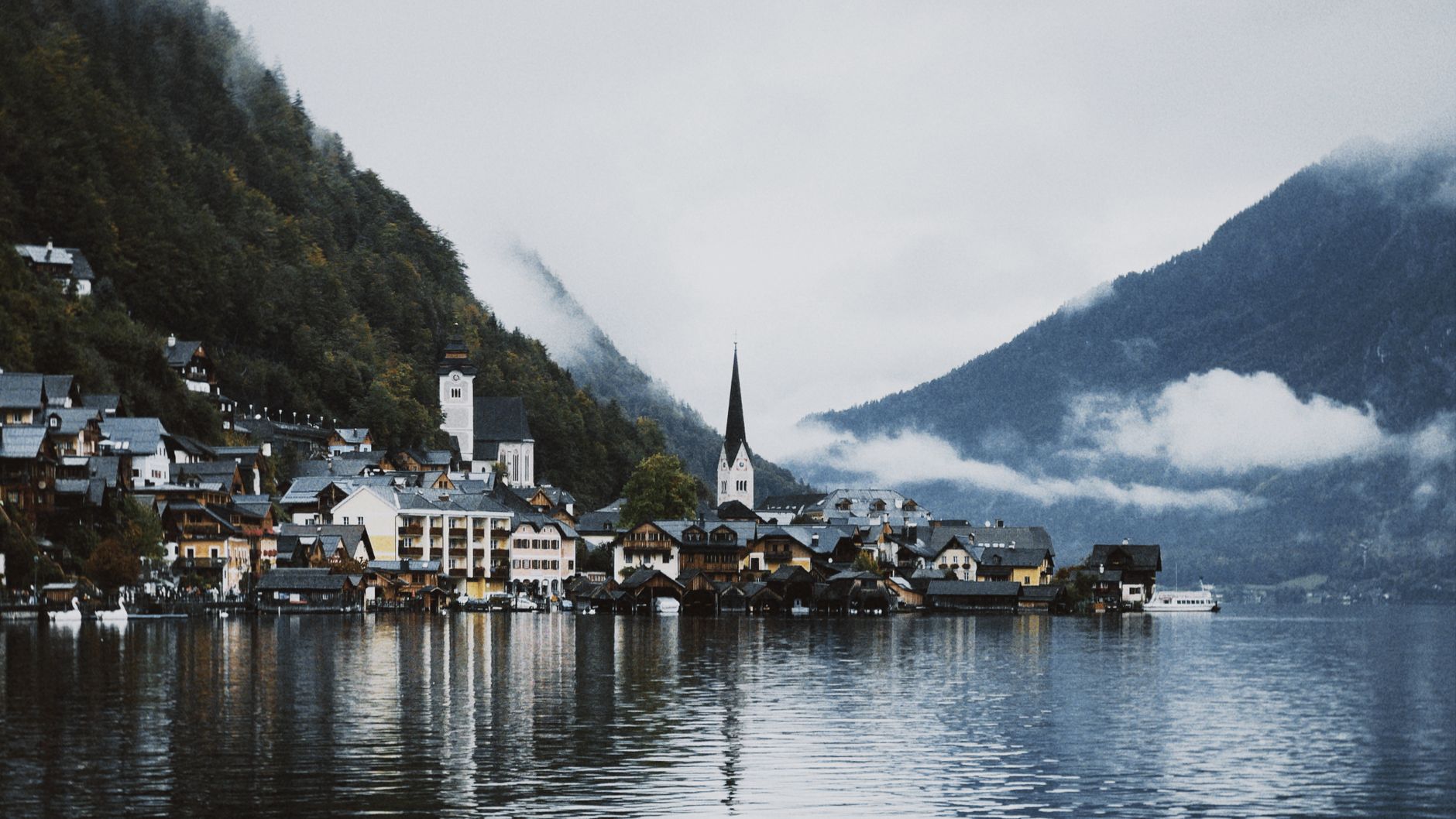
Day 1Day 1: Join Passau (Germany)Make your way to your hotel, where you will receive your travel documents. The remainder of the day is free to explore the town. Located at the junction of three rivers, the Danube, Inn and Ilz, Passau has a number of interesting sites including the Fortress “Veste Oberhaus”, built in 1219 and with an observation tower that offers a good view of the town and the river, and St Stephens Cathedral which has the world’s largest church organ. Collect your bike this afternoon (4-7 pm) or tomorrow morning. Generally we provide bikes with 21 gears – if you would like a 7 speed bike please specify this on booking.
Make your way to your hotel, where you will receive your travel documents. The remainder of the day is free to explore the town. Located at the junction of three rivers, the Danube, Inn and Ilz, Passau has a number of interesting sites including the Fortress “Veste Oberhaus”, built in 1219 and with an observation tower that offers a good view of the town and the river, and St Stephens Cathedral which has the world’s largest church organ. Collect your bike this afternoon (4-7 pm) or tomorrow morning. Generally we provide bikes with 21 gears – if you would like a 7 speed bike please specify this on booking.
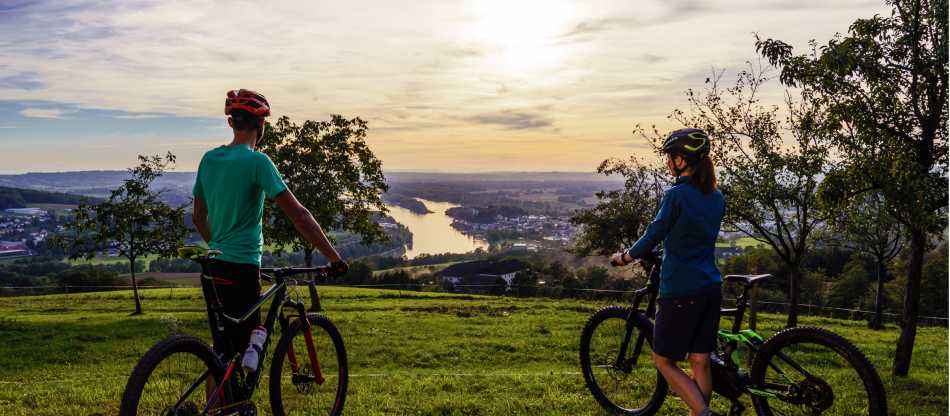
Day 2Day 2: Cycle through countryside via Schlögen…If you pick up your bike this morning, the cycle begins directly at the bike garage. Today you'll cycle through the Upper Danube Valley to Schlögen, following the river. Pass through the Austrian border town of Engelhartszell, which is home to a former Cistercian abbey (1293-1786) and since 1925 the only Trappist monastery in Austria, then continue to Schlögen. The famous Schlögener Blick provides a wonderful view of the surrounding Austrian countryside. Between the banks of the Danube there are small passenger ferries that you can take. This afternoon cross over to the southern bank of the Danube to reach Aschach before arriving at Brandstatt.
If you pick up your bike this morning, the cycle begins directly at the bike garage. Today you'll cycle through the Upper Danube Valley to Schlögen, following the river. Pass through the Austrian border town of Engelhartszell, which is home to a former Cistercian abbey (1293-1786) and since 1925 the only Trappist monastery in Austria, then continue to Schlögen. The famous Schlögener Blick provides a wonderful view of the surrounding Austrian countryside. Between the banks of the Danube there are small passenger ferries that you can take. This afternoon cross over to the southern bank of the Danube to reach Aschach before arriving at Brandstatt.
Day 3Day 3: Cycle past Linz to the Strudengau region (86km/53.5mi)Continue cycling past the monastery at Wilhering and reach the capital of Upper Austria, Linz. The city has a lively arts and music culture. In 1783 Mozart wrote his Symphony No. 36 here, now known as the Linz Symphony. The modern art gallery “Lentos”, situated on the Danube, is worth a look, or enjoy lunch in the lovely main square. Later, visit Enns, the oldest town in Austria, or across the river, the Mauthausen concentration camp. It is possible to visit the camp and its interesting museum, although the detour requires a steep uphill climb. This leg takes you through beautiful meadows and tranquil hinterland, past the Celtic village of Mitterkitchen and the majestic church in Baumgartenberg, and on to the romantic castle of Clam and the town of Grein. In Grein you will find the oldest Austrian theatre which is open to visitors. Continue to Strudengau.
Continue cycling past the monastery at Wilhering and reach the capital of Upper Austria, Linz. The city has a lively arts and music culture. In 1783 Mozart wrote his Symphony No. 36 here, now known as the Linz Symphony. The modern art gallery “Lentos”, situated on the Danube, is worth a look, or enjoy lunch in the lovely main square. Later, visit Enns, the oldest town in Austria, or across the river, the Mauthausen concentration camp. It is possible to visit the camp and its interesting museum, although the detour requires a steep uphill climb. This leg takes you through beautiful meadows and tranquil hinterland, past the Celtic village of Mitterkitchen and the majestic church in Baumgartenberg, and on to the romantic castle of Clam and the town of Grein. In Grein you will find the oldest Austrian theatre which is open to visitors. Continue to Strudengau.
Day 4Day 4: Cycle past Melk and the Wachau…Today's cycle takes you through the fascinating landscape of tall and densely wooded rock formations on the both sides of the river. From Strudengau you soon arrive in Ybbs, a former trading centre on the Danube. High above the Danube is the pilgrimage church of Maria Taferl, and well before you reach the town of Melk you can see its huge monastery. The cycle continues through the renowned Wachau, with its truly romantic scenery of terraced vineyards, apricot groves and quaint villages. En route to Krems you cycle through the winery villages of Spitz, Weisskirchen and Durnstein and pass several abbeys, castles and ruins. Alongside the cycle path you will find the so called “Heurigen” (typical Austrian wine taverns) where you can taste wine or regional foods. Overnight in the 1000 year old wine city of Krems or surrounds.
Today's cycle takes you through the fascinating landscape of tall and densely wooded rock formations on the both sides of the river. From Strudengau you soon arrive in Ybbs, a former trading centre on the Danube. High above the Danube is the pilgrimage church of Maria Taferl, and well before you reach the town of Melk you can see its huge monastery. The cycle continues through the renowned Wachau, with its truly romantic scenery of terraced vineyards, apricot groves and quaint villages. En route to Krems you cycle through the winery villages of Spitz, Weisskirchen and Durnstein and pass several abbeys, castles and ruins. Alongside the cycle path you will find the so called “Heurigen” (typical Austrian wine taverns) where you can taste wine or regional foods. Overnight in the 1000 year old wine city of Krems or surrounds.
Day 5Day 5: Cycle through the Tullner Fields to Vienna (80km/50mi)The last day of cycling takes you through the vast and beautiful Tullner Fields. After Tulln, you continue through the Vienna Woods (Wiener Wald) towards metropolitan Vienna, capital of Austria. Along the way, we recommend stopping to visit the impressive monastery in Klosterneuberg before continuing to the "City of Music". The route into Vienna is mostly on a cycle path with no vehicles allowed, allowing you easy access to the main centre and your hotel.
The last day of cycling takes you through the vast and beautiful Tullner Fields. After Tulln, you continue through the Vienna Woods (Wiener Wald) towards metropolitan Vienna, capital of Austria. Along the way, we recommend stopping to visit the impressive monastery in Klosterneuberg before continuing to the "City of Music". The route into Vienna is mostly on a cycle path with no vehicles allowed, allowing you easy access to the main centre and your hotel.
Day 6Day 6: Trip concludes in ViennaTrip concludes after breakfast. Make sure you visit the famous sights of Vienna such as the ‘Naschmarkt’, the City Opera, the Ringstrasse with its imposing buildings and the beautiful imperial castle Schönbrunn.
Trip concludes after breakfast. Make sure you visit the famous sights of Vienna such as the ‘Naschmarkt’, the City Opera, the Ringstrasse with its imposing buildings and the beautiful imperial castle Schönbrunn.