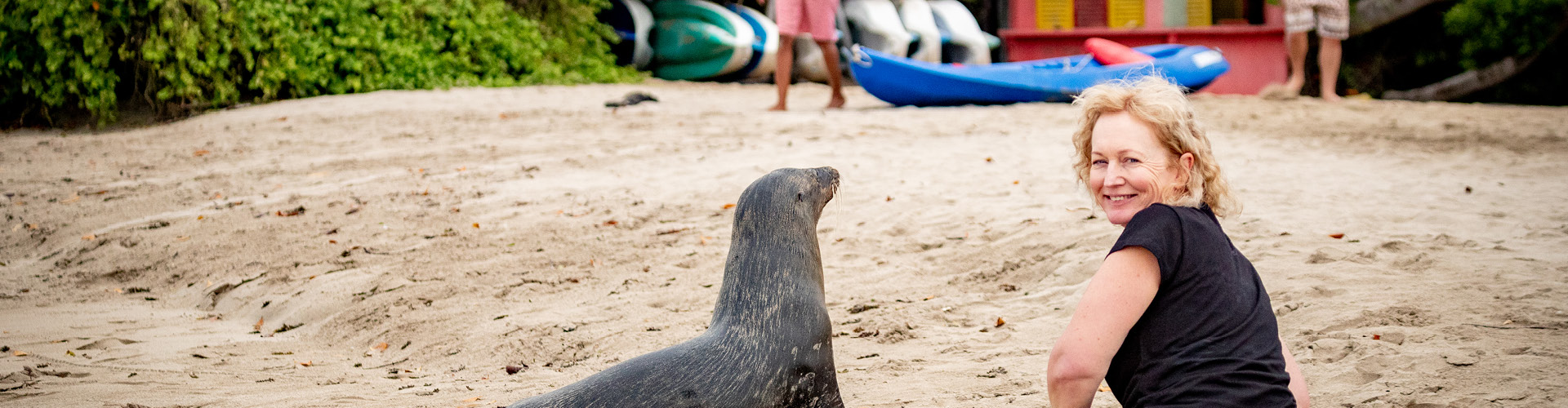
Galapagos seal
Operated by Intrepid Travel

Peru & Galapagos Explorer

From
CAD 12,278
Duration
30 days
Countries
Ecuador, Peru
Activity
active
Group size
Max 16
Rating
4.0 · 8 reviewsvia Intrepid Travel

The adventure

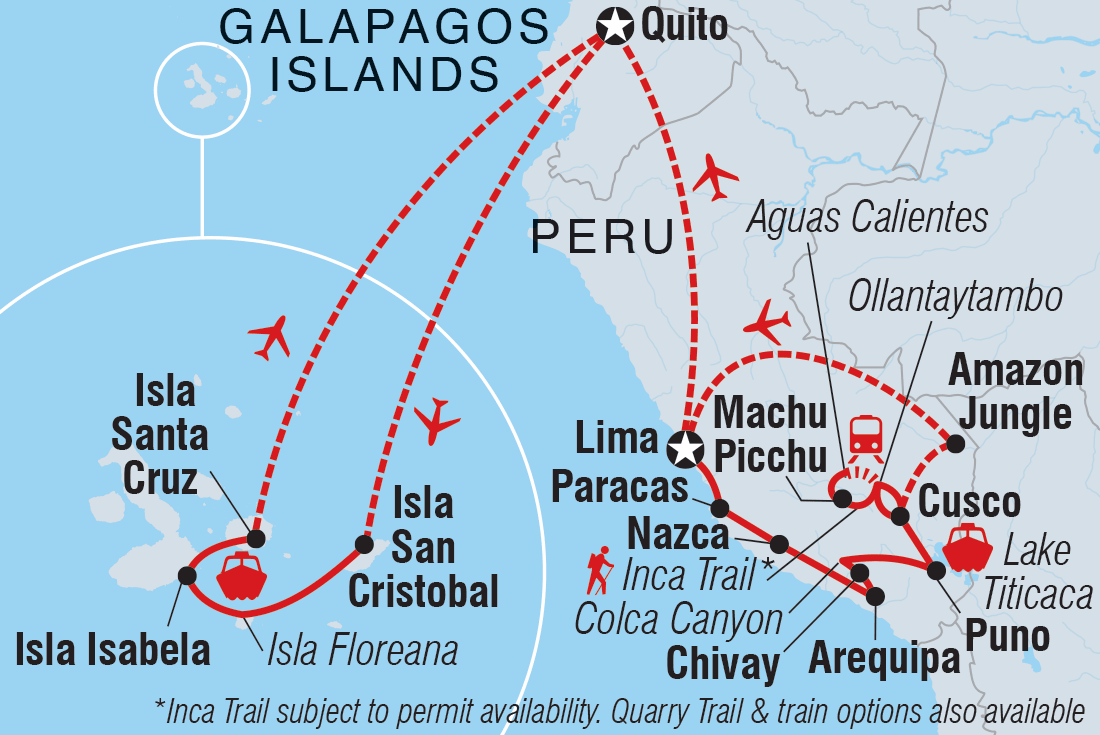
This trip combines an all-encompassing adventure through Peru with an immersive experience on the Galapagos Islands. Over 30 days, you’ll cruise deep into the Amazon and spend two nights in a jungle lodge, stay with a local family on the shores of Lake Titicaca, explore the vast Colca Canyon and travel to the ancient Inca city of Machu Picchu by trek or train. Just when you think your adventure has peaked, buckle up for even more fun in the Galapagos. Hike to the top of a volcano on Isla Isabela, spot curious sea lions, swim among manta rays and learn about conservation efforts at the Charles Darwin Research Station.
At a glance

Duration
30 days
Route
Lima → Quito
Countries
Ecuador, Peru
Activity level
active
Style
Beach & Islands, Culture & History, Rail Journeys, Trekking & Hiking, Wildlife & Safari
Group size
Max 16
Ages
15+
Flights
Not included
Solo travellers
Welcome

Day by day

A breathtaking view of the serene Bolivian Altiplano lagoon with majestic mountains reflecting in the water.
Your journey through

Bolivia

Day 1LimaBienvenidos! Welcome to Peru. With Indigenous cultures dating back millennia, this country is a fascinating land of Amazonian rainforests, diverse wildlife and mountains. Your adventure begins in Lima with a welcome meeting at 4 pm at your hotel. If you arrive early, you might like to visit the Gold Museum or do the Lima Discovery Tour with Urban Adventures to explore hidden hangouts, markets and street food vendors loved by Limeños (people who live in Lima).
A vibrant street parade featuring a brass band in brown jackets marching through a city street.Lima
Bienvenidos! Welcome to Peru. With Indigenous cultures dating back millennia, this country is a fascinating land of Amazonian rainforests, diverse wildlife and mountains. Your adventure begins in Lima with a welcome meeting at 4 pm at your hotel. If you arrive early, you might like to visit the Gold Museum or do the Lima Discovery Tour with Urban Adventures to explore hidden hangouts, markets and street food vendors loved by Limeños (people who live in Lima).
Map showing Lima
Day 2ParacasSet out on a walking tour of downtown Lima this morning, where the streets are lined with old mansions, palaces and churches. Take in Plaza Mayor, the Cathedral of Lima, the San Francisco Monastery and the Central Market, where you’ll get a glimpse into Peru’s abundant produce. Then, board a local bus to Paracas – it may stop three or four times along the way. There are no activities planned in Paracas, so maybe seek out a bar serving Peru's national drink – the Pisco sour.
Various boats in a scenic harbor with birds perched and flying around.Paracas
Set out on a walking tour of downtown Lima this morning, where the streets are lined with old mansions, palaces and churches. Take in Plaza Mayor, the Cathedral of Lima, the San Francisco Monastery and the Central Market, where you’ll get a glimpse into Peru’s abundant produce. Then, board a local bus to Paracas – it may stop three or four times along the way. There are no activities planned in Paracas, so maybe seek out a bar serving Peru's national drink – the Pisco sour.
Map showing Paracas
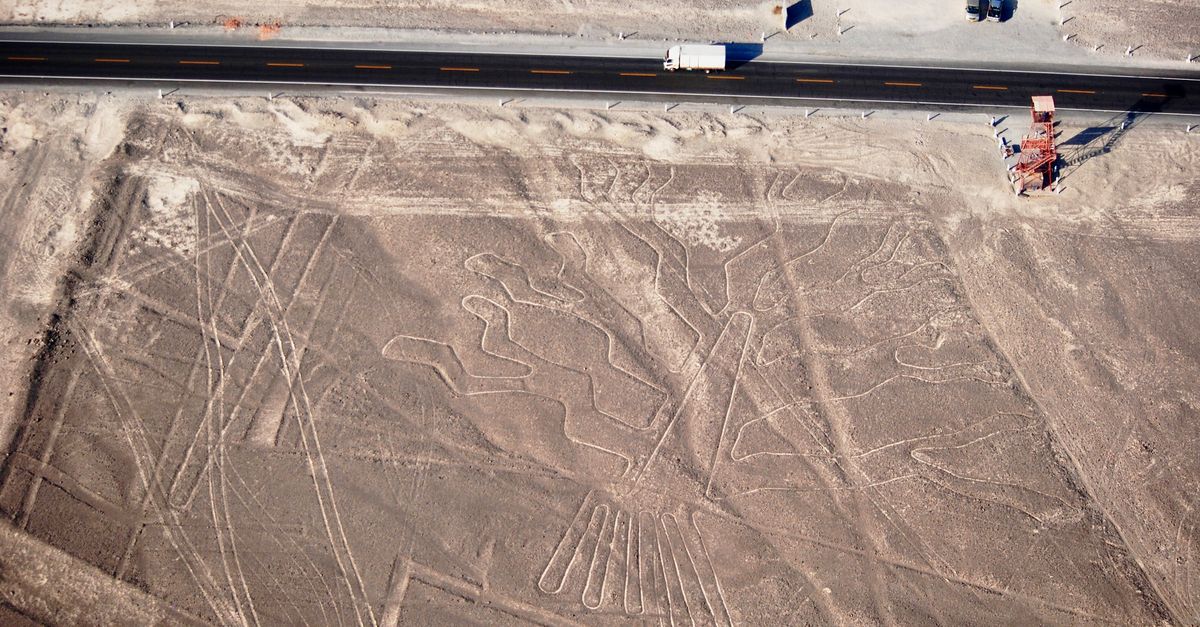
Day 3NazcaThis morning, wildlife enthusiasts might like to visit the Ballestas Islands in Paracas National Reserve for a chance to spot pelicans, red-footed boobies and flamingos on a two-hour boat tour. Otherwise, you could take it easy with some self-paced sightseeing in Paracas. Then, hit the road to Nazca – home to a fascinating archaeological site – the Nazca Lines. This group of geoglyphs etched into the ground of the Nazca Desert was created between 500 BC and AD500 and covers an area of about 450 sq km. You’ll stop in the town of Huacachina – a little settlement next to a small lake surrounded by sand dunes. Take in the sights from the viewing platform or opt for a scenic flight for the ultimate bird’s eye views.
Aerial view showing the ancient Nazca Lines geoglyph in Peru's desert landscape.Nazca
This morning, wildlife enthusiasts might like to visit the Ballestas Islands in Paracas National Reserve for a chance to spot pelicans, red-footed boobies and flamingos on a two-hour boat tour. Otherwise, you could take it easy with some self-paced sightseeing in Paracas. Then, hit the road to Nazca – home to a fascinating archaeological site – the Nazca Lines. This group of geoglyphs etched into the ground of the Nazca Desert was created between 500 BC and AD500 and covers an area of about 450 sq km. You’ll stop in the town of Huacachina – a little settlement next to a small lake surrounded by sand dunes. Take in the sights from the viewing platform or opt for a scenic flight for the ultimate bird’s eye views.
Map showing Nazca
Day 4ArequipaThis morning, you’ll explore the desert graveyard of Chauchilla – where the arid conditions have naturally interred the remains of the Nazca people buried here. Later in the afternoon, you'll board a local overnight bus from Nazca to Arequipa. The journey is long, so be sure to stock up on snacks.
Drone shot of Arequipa's cathedral with El Misti volcano in the background at sunset.Arequipa
This morning, you’ll explore the desert graveyard of Chauchilla – where the arid conditions have naturally interred the remains of the Nazca people buried here. Later in the afternoon, you'll board a local overnight bus from Nazca to Arequipa. The journey is long, so be sure to stock up on snacks.
Map showing Arequipa
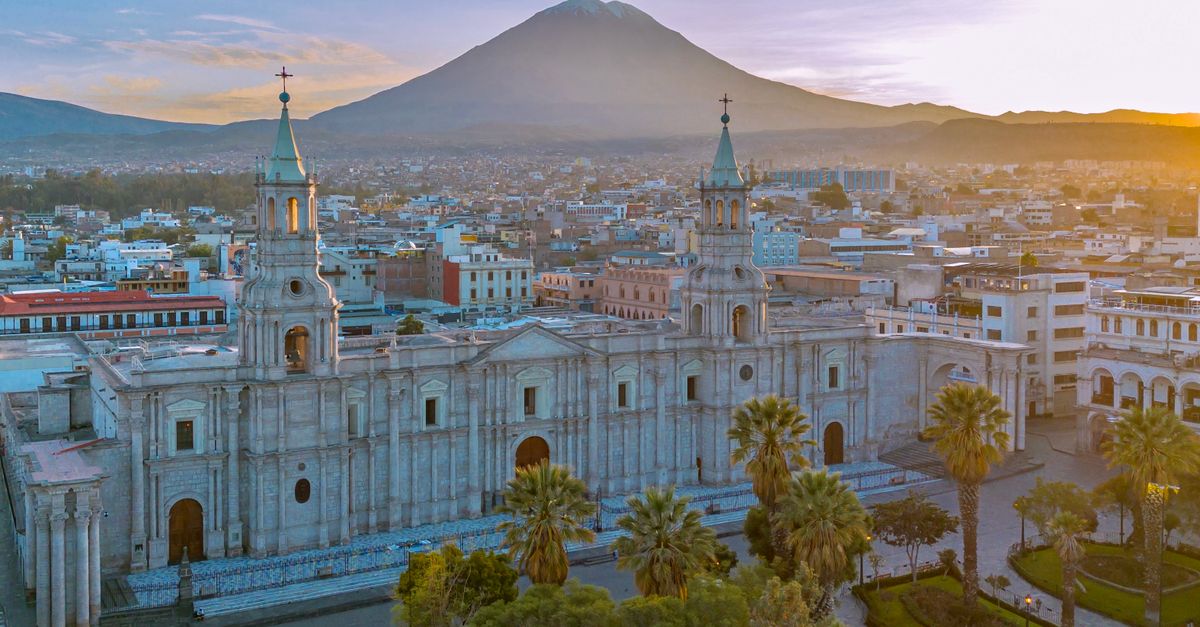
Day 5ArequipaYou’ll arrive in Arequipa this morning. Check into your hotel room, freshen up and have breakfast before enjoying free time for the rest of the day. Standing at the foot of El Misti Volcano, Arequipa vies with Cusco for the title of Peru's most scenic city. Built out of a pale volcanic rock called sillar, the old buildings dazzle in the sun, giving the city its nickname – the White City. The main plaza, with its cafes and nearby cathedral, is a lovely place to while away the day. Maybe wander the plaza, tuck into local dishes like rocoto relleno (stuffed spicy peppers) or visit the Andean Sanctuaries Museum which houses Peru’s famous Ice Maiden (also known as ‘Juanita’) – the Inca mummy of a girl who died in the 1440s.
The majestic Basilica Cathedral of Arequipa under a clear blue sky, showcasing its classic architecture.Arequipa
You’ll arrive in Arequipa this morning. Check into your hotel room, freshen up and have breakfast before enjoying free time for the rest of the day. Standing at the foot of El Misti Volcano, Arequipa vies with Cusco for the title of Peru's most scenic city. Built out of a pale volcanic rock called sillar, the old buildings dazzle in the sun, giving the city its nickname – the White City. The main plaza, with its cafes and nearby cathedral, is a lovely place to while away the day. Maybe wander the plaza, tuck into local dishes like rocoto relleno (stuffed spicy peppers) or visit the Andean Sanctuaries Museum which houses Peru’s famous Ice Maiden (also known as ‘Juanita’) – the Inca mummy of a girl who died in the 1440s.
Map showing Arequipa
Breathtaking view of snow-capped Andes mountains under blue skies in Cusco, Peru.
Your journey through

Peru

Day 6ChivayTravel by minivan to the traditional market town of Chivay today. Look out for llamas, alpacas and vicunas along the way – not sure how to differentiate between these adorable creatures? Your leader will help you! You'll also stop to stretch your legs, take photos and try local coca tea. The third stop takes you to the highest point on the trip at Patapama (4800 m) before descending to Chivay. Have lunch in town, then maybe wander around the plaza or enjoy a soak in the Colca Canyon Hot Springs. Tonight, why not try llama steak at a local restaurant and watch some live Andean music at a pena (bar)?
Captivating traditional dance performance in Caylloma, Arequipa, highlighting Peruvian culture.Chivay
Travel by minivan to the traditional market town of Chivay today. Look out for llamas, alpacas and vicunas along the way – not sure how to differentiate between these adorable creatures? Your leader will help you! You'll also stop to stretch your legs, take photos and try local coca tea. The third stop takes you to the highest point on the trip at Patapama (4800 m) before descending to Chivay. Have lunch in town, then maybe wander around the plaza or enjoy a soak in the Colca Canyon Hot Springs. Tonight, why not try llama steak at a local restaurant and watch some live Andean music at a pena (bar)?
Map showing Chivay
Day 7Colca Canyon to PunoVisit the Colca Canyon this morning. More than twice as deep as the Grand Canyon, the views here are epic. See terraced crops cultivated since pre-Inca times by local villages and look out for the Andean condor – one of the world’s largest flying birds – soaring above and below you from a prime viewing point. Later, board a bus to Puno. It’s a long drive, but the views of the Altiplano – part of the Peruvian highlands – make it an exceptionally scenic one. Puno is on the shores of Lake Titicaca, which you’ll explore in the coming days. When you arrive, you might like to get familiar with the town by exploring on foot. Known as Peru’s folklore capital, Puno is home to several Indigenous cultures, including the Aymara and Quechua peoples.
Scenic view of mist-covered mountains in Cabanaconde, Arequipa, Peru.Colca Canyon to Puno
Visit the Colca Canyon this morning. More than twice as deep as the Grand Canyon, the views here are epic. See terraced crops cultivated since pre-Inca times by local villages and look out for the Andean condor – one of the world’s largest flying birds – soaring above and below you from a prime viewing point. Later, board a bus to Puno. It’s a long drive, but the views of the Altiplano – part of the Peruvian highlands – make it an exceptionally scenic one. Puno is on the shores of Lake Titicaca, which you’ll explore in the coming days. When you arrive, you might like to get familiar with the town by exploring on foot. Known as Peru’s folklore capital, Puno is home to several Indigenous cultures, including the Aymara and Quechua peoples.
Map showing Colca Canyon to Puno
Day 8Llachon communityTake a tour of the immense Lake Titicaca by motorboat today. Stop at the floating Uros Islands that were built by the Uros people hundreds of years ago to protect themselves from encroaching Inca forces. The islands are constructed from many layers of totora reeds that grow in the lake’s shallows. You’ll get a closer look at contemporary life here during a homestay with a local community. Help your host family with their daily activities, learn a few words in the Quechua language and maybe join a soccer game to make some friends on the makeshift pitch. Tonight, sit down and swap stories with your hosts over a home-cooked meal.
View of brick buildings densely packed on a hillside, showcasing urban architecture.Llachon community
Take a tour of the immense Lake Titicaca by motorboat today. Stop at the floating Uros Islands that were built by the Uros people hundreds of years ago to protect themselves from encroaching Inca forces. The islands are constructed from many layers of totora reeds that grow in the lake’s shallows. You’ll get a closer look at contemporary life here during a homestay with a local community. Help your host family with their daily activities, learn a few words in the Quechua language and maybe join a soccer game to make some friends on the makeshift pitch. Tonight, sit down and swap stories with your hosts over a home-cooked meal.
Map showing Llachon community
Sunlit landscape of the Andes with majestic mountains and vibrant blue skies.
Your journey through

Bolivia

Day 9PunoThis morning, board another motorboat and cruise to Taquile Island – where the locals are known for crafting intricate textiles. Here, knitting is strictly men’s domain and women do the spinning. It's a great place to pick up high-quality knitted goods while supporting local craftspeople. After, hike uphill to the main area of the island, where you can shop for more handicrafts. Descend about 500 steps to the boat and cruise back to Puno, where you might like to gather the group and find a local watering hole to enjoy a drink or two. Chilcano or another Pisco sour, anyone?
Beautiful landscape in Puno, Peru featuring a calm river and fluffy clouds under a bright blue sky.Puno
This morning, board another motorboat and cruise to Taquile Island – where the locals are known for crafting intricate textiles. Here, knitting is strictly men’s domain and women do the spinning. It's a great place to pick up high-quality knitted goods while supporting local craftspeople. After, hike uphill to the main area of the island, where you can shop for more handicrafts. Descend about 500 steps to the boat and cruise back to Puno, where you might like to gather the group and find a local watering hole to enjoy a drink or two. Chilcano or another Pisco sour, anyone?
Map showing Puno
Day 10CuscoTake a scenic bus ride across the Altiplano to Cusco – the continent’s oldest continuously inhabited city. The buildings that stand here today are built on foundations from ancient Inca times. Spend some time acclimatising to the high altitude of 3450 m, then set out to explore some of Cusco's lesser-known sites on a guided walking tour. See the facade of Qoricancha temple, San Pedro market, the main square, the Twelve Angled Stone, Regocijo Square and San Blas Square. End the tour at Cusco's Chocolate Museum to sample a cup of hot chocolate made from local cacao beans. There’s also a small store where you can browse artisanal chocolate treats.
View of brick buildings densely packed on a hillside, showcasing urban architecture.Cusco
Take a scenic bus ride across the Altiplano to Cusco – the continent’s oldest continuously inhabited city. The buildings that stand here today are built on foundations from ancient Inca times. Spend some time acclimatising to the high altitude of 3450 m, then set out to explore some of Cusco's lesser-known sites on a guided walking tour. See the facade of Qoricancha temple, San Pedro market, the main square, the Twelve Angled Stone, Regocijo Square and San Blas Square. End the tour at Cusco's Chocolate Museum to sample a cup of hot chocolate made from local cacao beans. There’s also a small store where you can browse artisanal chocolate treats.
Map showing Cusco
Day 11CuscoEnjoy a free day in Cusco – the heart and soul of Peru. You may like to visit one of the city’s many museums and archaeological sites with a boleto turistico (tourism ticket). This includes the Contemporary Art Museum, Regional History Museum, Qosqo Native Art Museum and the Inca ruins of Saqsaywaman, Q'enqo, Puka Pukara, Pisac and Ollantaytambo. The most easily accessible among these sites is Coricancha, which was once the Inca empire's richest temple, until the Spanish built a Dominican church on top of it. Just speak to your leader to organise this pass or for recommendations on how to make the most of your time.
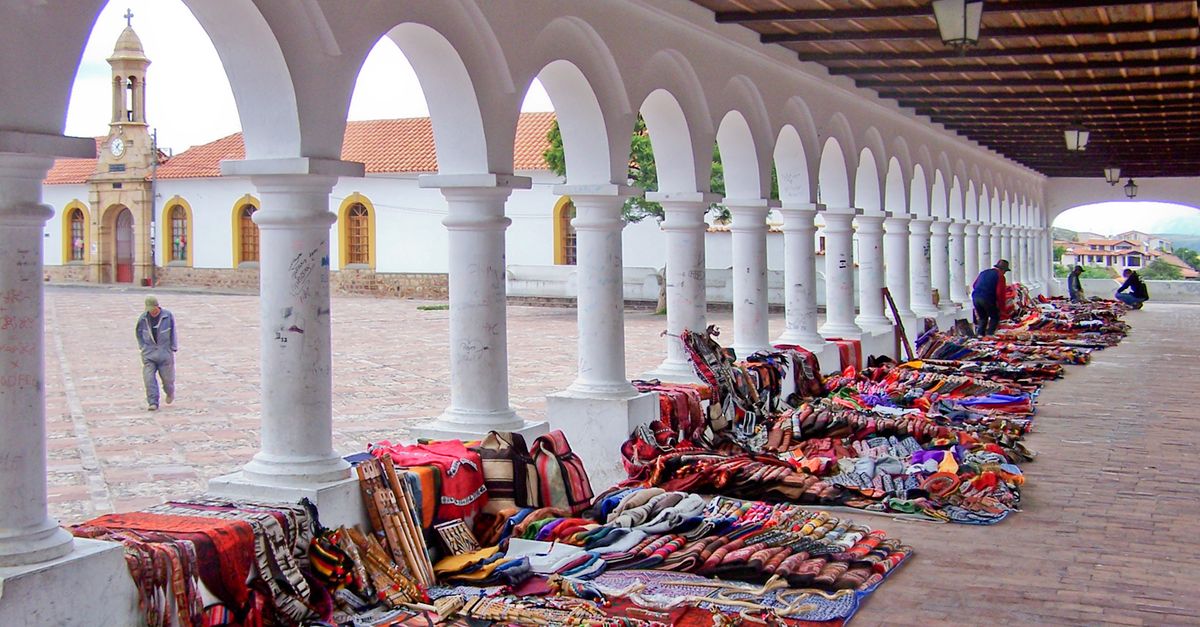
Vibrant display of handmade goods at the traditional market in Sucre, Bolivia under historic colonnades.Cusco
Enjoy a free day in Cusco – the heart and soul of Peru. You may like to visit one of the city’s many museums and archaeological sites with a boleto turistico (tourism ticket). This includes the Contemporary Art Museum, Regional History Museum, Qosqo Native Art Museum and the Inca ruins of Saqsaywaman, Q'enqo, Puka Pukara, Pisac and Ollantaytambo. The most easily accessible among these sites is Coricancha, which was once the Inca empire's richest temple, until the Spanish built a Dominican church on top of it. Just speak to your leader to organise this pass or for recommendations on how to make the most of your time.
Map showing Cusco
Captivating and rugged mountain landscape under bright daylight, showcasing natural beauty.
Your journey through

Peru

Day 12Inca TrailDepending on the travel arrangements you made before the trip, you’ll either spend the next four days hiking the Inca Trail (Route 1), hiking the Quarry Trail (Route 2) or staying in Cusco for two days before taking the train to Aguas Calientes (Route 3). All routes visit Machu Picchu. While away from Cusco, most of your luggage will be stored at your hotel. If you’re hiking the Inca or Quarry Trails, you'll receive a small duffle bag the evening before you leave to carry your clothes (5 kg maximum). Your team of porters will carry these bags for you, together with the food and camping equipment. You won't have access to these items until the end of each day, as the porters will always be ahead of the group. If you’re travelling to Aguas Calientes by train, you'll be able to leave most of your luggage at the hotel in Cusco and travel with only a small bag for the overnight stay in Aguas Calientes. Route 1 Inca Trail: Travel by minivan to the 82 km marker and meet your guide, cook and crew of porters. Your first day will include uphill trekking to the campsite (3100 m). On the way, you’ll see the Inca sites of Ollantaytambo, Huillca Raccay and Llactapata, as well as incredible views of snow-capped Veronica Peak. In the evening, unwind at the campsite with a nourishing meal prepared by your cook. Route 2 Quarry Trail: Make an early start today and drive to Choquequilla, a small ceremonial place where Incas worshipped the moon. From here, head to the small community near Qory Song’o (Golden Heart) hill to climb to the top for views of the Soqma Perolniyoc, Pachar and Huarocondo valleys. There are also several protected sacred tombs which you can explore and even see some of the original structure crafted from wood and leather. – travellers have seldom seen these remains. Continue to the Perolniyoc Cascade lookout to stop for snacks and photos. Arrive at the campsite (3700 m) around lunchtime. After, set off to explore the Q'orimarca archaeological site – a historic Inca checkpoint. Route 3 Cusco: If you choose the train option, you’ll stay in Cusco so that you have time to visit some of its many museums and archaeological sites. The most accessible is Coricancha – speak with your trip leader to organise optional activities.
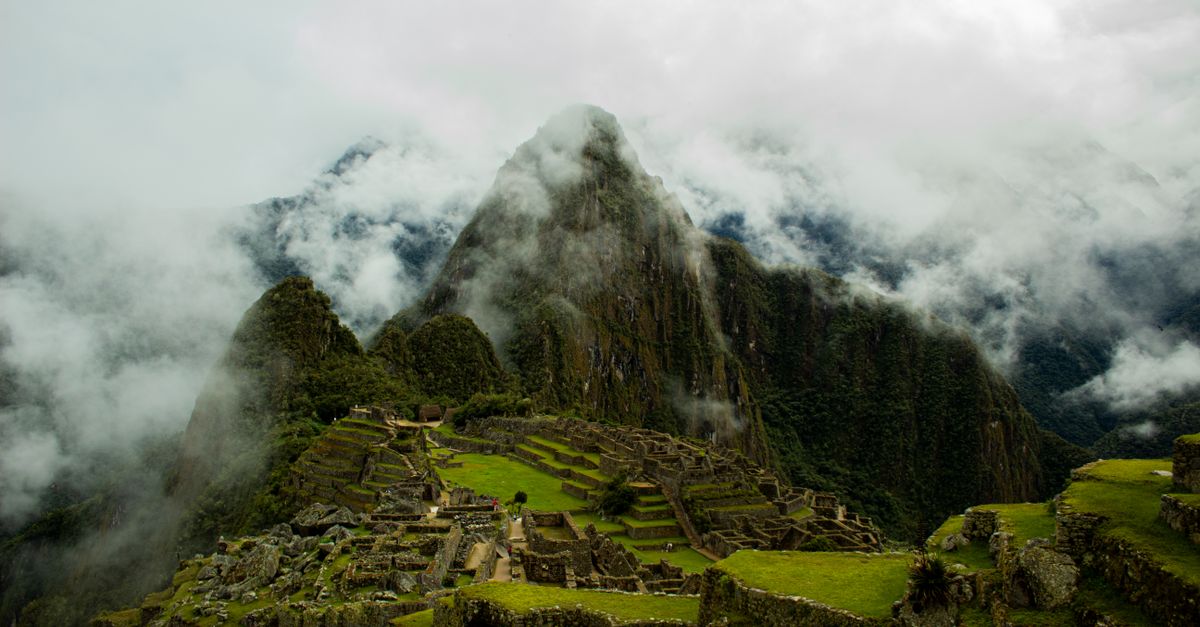
Machu Picchu in Peru enveloped by mystical clouds, showcasing historic ruins.Inca Trail
Depending on the travel arrangements you made before the trip, you’ll either spend the next four days hiking the Inca Trail (Route 1), hiking the Quarry Trail (Route 2) or staying in Cusco for two days before taking the train to Aguas Calientes (Route 3). All routes visit Machu Picchu. While away from Cusco, most of your luggage will be stored at your hotel. If you’re hiking the Inca or Quarry Trails, you'll receive a small duffle bag the evening before you leave to carry your clothes (5 kg maximum). Your team of porters will carry these bags for you, together with the food and camping equipment. You won't have access to these items until the end of each day, as the porters will always be ahead of the group. If you’re travelling to Aguas Calientes by train, you'll be able to leave most of your luggage at the hotel in Cusco and travel with only a small bag for the overnight stay in Aguas Calientes. Route 1 Inca Trail: Travel by minivan to the 82 km marker and meet your guide, cook and crew of porters. Your first day will include uphill trekking to the campsite (3100 m). On the way, you’ll see the Inca sites of Ollantaytambo, Huillca Raccay and Llactapata, as well as incredible views of snow-capped Veronica Peak. In the evening, unwind at the campsite with a nourishing meal prepared by your cook. Route 2 Quarry Trail: Make an early start today and drive to Choquequilla, a small ceremonial place where Incas worshipped the moon. From here, head to the small community near Qory Song’o (Golden Heart) hill to climb to the top for views of the Soqma Perolniyoc, Pachar and Huarocondo valleys. There are also several protected sacred tombs which you can explore and even see some of the original structure crafted from wood and leather. – travellers have seldom seen these remains. Continue to the Perolniyoc Cascade lookout to stop for snacks and photos. Arrive at the campsite (3700 m) around lunchtime. After, set off to explore the Q'orimarca archaeological site – a historic Inca checkpoint. Route 3 Cusco: If you choose the train option, you’ll stay in Cusco so that you have time to visit some of its many museums and archaeological sites. The most accessible is Coricancha – speak with your trip leader to organise optional activities.
Map showing Inca Trail
Day 13Inca TrailRoute 1 Inca Trail: This is the most challenging trekking day as you’ll ascend a steep path to reach the highest point of the trail. Colloquially known as 'Dead Woman's Pass', Warmiwanusca sits at a height of 4200 m, providing amazing views of the valley. After, descend to the campsite in the Pacaymayo Valley (3650 m). Route 2 Quarry Trail: This is the most challenging and rewarding day. A 3-hour walk takes you to the top of the first pass of Puccaqasa (4370 m). After enjoying the picturesque views, it’s a short walk before stopping for lunch. Then, hike to Kuychicassa (4450 m), the trek’s highest pass. From here, descend to the sacred site that the Incas called Intipunku. This is a sun gate, where the sun streams through at certain times of the year. The Incas built several sun gates, the most notable overlooking Machu Picchu. Continue to the campsite (3600 m), only a stone’s throw away. Route 3 Cusco: This morning, drive through the Sacred Valley. Known as Wilcamayo to the Incas, it has been a source of livelihood for the locals for hundreds of years, with maize crops covering the terraced valley. Stop for lunch in a local community, where you'll also get the chance to learn about their traditional lifestyle and maybe wrap your tongue around a few words of the Quechua language. Tonight, stay in Ollantaytambo where you can check out the town’s fascinating remnants of an Inca city overlooking the present-day settlement.
A breathtaking view of the ancient Machu Picchu ruins under a clear blue sky in Peru.Inca Trail
Route 1 Inca Trail: This is the most challenging trekking day as you’ll ascend a steep path to reach the highest point of the trail. Colloquially known as 'Dead Woman's Pass', Warmiwanusca sits at a height of 4200 m, providing amazing views of the valley. After, descend to the campsite in the Pacaymayo Valley (3650 m). Route 2 Quarry Trail: This is the most challenging and rewarding day. A 3-hour walk takes you to the top of the first pass of Puccaqasa (4370 m). After enjoying the picturesque views, it’s a short walk before stopping for lunch. Then, hike to Kuychicassa (4450 m), the trek’s highest pass. From here, descend to the sacred site that the Incas called Intipunku. This is a sun gate, where the sun streams through at certain times of the year. The Incas built several sun gates, the most notable overlooking Machu Picchu. Continue to the campsite (3600 m), only a stone’s throw away. Route 3 Cusco: This morning, drive through the Sacred Valley. Known as Wilcamayo to the Incas, it has been a source of livelihood for the locals for hundreds of years, with maize crops covering the terraced valley. Stop for lunch in a local community, where you'll also get the chance to learn about their traditional lifestyle and maybe wrap your tongue around a few words of the Quechua language. Tonight, stay in Ollantaytambo where you can check out the town’s fascinating remnants of an Inca city overlooking the present-day settlement.
Map showing Inca Trail
Day 14Inca TrailRoute 1 Inca Trail: Start the day with a climb through the Pacaymayo Valley to Runkuracay Pass (3980 m). Enjoy views of the snow-capped mountain of Cordillera Vilcabamba before descending for around 2 to 3 hours to the ruins of Sayacmarca. Continue over the trail’s third pass to the ruins of Phuyupatamarca (3850 m), also known as the 'Town Above the Clouds'. Then, start the 2-hour descent down Inca steps to a campsite by the Winay Wayna archaeological site. Route 2 Quarry Trail: Today’s hike is all downhill. The first stop is the incomplete Kachiqata quarry, where the Spanish intercepted the Incas. Explore the cobbled streets of Ollantaytambo when you finish the trek, then take a short train ride to Aguas Calientes. This is where you’ll meet the travellers in your group who didn't hike. Spend the night in a hotel before tomorrow’s visit to Machu Picchu. Route 3 Train to Aguas Calientes: Today, you’ll meet up with the travellers in your group who may have hiked the Quarry Trail. You’ll catch a 1.5-hour train through the winding Urubamba Valley to Aguas Calientes. The city is in the cloud forest at the foot of Machu Picchu. Spend the night in a hotel before tomorrow’s visit to Machu Picchu.
Man raising arms atop Intipunku with snow-capped Andes in Ollantaytambo, Peru.Inca Trail
Route 1 Inca Trail: Start the day with a climb through the Pacaymayo Valley to Runkuracay Pass (3980 m). Enjoy views of the snow-capped mountain of Cordillera Vilcabamba before descending for around 2 to 3 hours to the ruins of Sayacmarca. Continue over the trail’s third pass to the ruins of Phuyupatamarca (3850 m), also known as the 'Town Above the Clouds'. Then, start the 2-hour descent down Inca steps to a campsite by the Winay Wayna archaeological site. Route 2 Quarry Trail: Today’s hike is all downhill. The first stop is the incomplete Kachiqata quarry, where the Spanish intercepted the Incas. Explore the cobbled streets of Ollantaytambo when you finish the trek, then take a short train ride to Aguas Calientes. This is where you’ll meet the travellers in your group who didn't hike. Spend the night in a hotel before tomorrow’s visit to Machu Picchu. Route 3 Train to Aguas Calientes: Today, you’ll meet up with the travellers in your group who may have hiked the Quarry Trail. You’ll catch a 1.5-hour train through the winding Urubamba Valley to Aguas Calientes. The city is in the cloud forest at the foot of Machu Picchu. Spend the night in a hotel before tomorrow’s visit to Machu Picchu.
Map showing Inca Trail
Explore the raw beauty of Bolivia's highlands with vast plains and towering mountains under clear skies.
Your journey through

Bolivia

Day 15CuscoRoute 1 Inca Trail: This is the final and most spectacular leg of the trek to Machu Picchu – one of the Seven Wonders of the World. You’ll have an early start, with breakfast at 4 am. Say farewell to the porters as they descend to the train station and begin hiking. Once the final checkpoint opens at 5 am, you’ll begin the final 2.5-hour trek to Intipunku (the Sun Gate). Weather permitting, you’ll be treated to views over the Lost City of the Incas as you enter through the Sun Gate. Route 2 and 3 Machu Picchu to Cusco: Take an early bus up to Machu Picchu at 6 am. The city was built around 1440 AD as a country retreat for the Inca nobility, but there’s evidence that the land had been a sacred Inca site for much longer. Take a guided tour around the ruins of temples, palaces and living quarters. This is a day to remember! The whole group will then catch the bus to Aguas Calientes to stop for lunch. From here, take a scenic train ride to Ollantaytambo, then drive back to Cusco, arriving in the evening.
View of brick buildings densely packed on a hillside, showcasing urban architecture.Cusco
Route 1 Inca Trail: This is the final and most spectacular leg of the trek to Machu Picchu – one of the Seven Wonders of the World. You’ll have an early start, with breakfast at 4 am. Say farewell to the porters as they descend to the train station and begin hiking. Once the final checkpoint opens at 5 am, you’ll begin the final 2.5-hour trek to Intipunku (the Sun Gate). Weather permitting, you’ll be treated to views over the Lost City of the Incas as you enter through the Sun Gate. Route 2 and 3 Machu Picchu to Cusco: Take an early bus up to Machu Picchu at 6 am. The city was built around 1440 AD as a country retreat for the Inca nobility, but there’s evidence that the land had been a sacred Inca site for much longer. Take a guided tour around the ruins of temples, palaces and living quarters. This is a day to remember! The whole group will then catch the bus to Aguas Calientes to stop for lunch. From here, take a scenic train ride to Ollantaytambo, then drive back to Cusco, arriving in the evening.
Map showing Cusco
Day 16CuscoEnjoy free time to relax, shop and explore more of Cusco today. Maybe rest your weary legs at a cafe on Plaza de Armas or head to the San Pedro Market where you’ll find vegetables, meats, local cheeses, chocolates, herbal medicines and handicrafts. It’s a great place to pick up souvenirs or ingredients for a picnic. The market is also where many locals (and daring travellers) eat ‘mystery soups’. Some may be just chicken – but the most popular among the locals usually contains frogs or offal. If you’re looking for something active, why not try mountain biking in the hills surrounding Cusco?
Vibrant display of handmade goods at the traditional market in Sucre, Bolivia under historic colonnades.Cusco
Enjoy free time to relax, shop and explore more of Cusco today. Maybe rest your weary legs at a cafe on Plaza de Armas or head to the San Pedro Market where you’ll find vegetables, meats, local cheeses, chocolates, herbal medicines and handicrafts. It’s a great place to pick up souvenirs or ingredients for a picnic. The market is also where many locals (and daring travellers) eat ‘mystery soups’. Some may be just chicken – but the most popular among the locals usually contains frogs or offal. If you’re looking for something active, why not try mountain biking in the hills surrounding Cusco?
Map showing Cusco
A breathtaking aerial view of the sunset over mountains and valleys in Cusco, Peru.
Your journey through

Peru

Day 17Amazon JungleRise and shine for your journey into the Peruvian Amazon. Take an early transfer to the airport, then fly to Puerto Maldonado. Here, you’ll pack a small duffle bag with essentials for the next two days. Board a motorised canoe and cruise deep into the jungle to your eco-lodge in the Madre de Dios region – it'll take a couple of hours, so you’ll stop for lunch along the way. Settle into your thatched-roof lodge before a short orientation walk. Spend the evening taking in the sights, sounds and smells of the jungle and enjoying an I’m-so-far-from-home moment.
A peaceful boat ride down a tropical jungle river surrounded by lush greenery and tall palm trees.Amazon Jungle
Rise and shine for your journey into the Peruvian Amazon. Take an early transfer to the airport, then fly to Puerto Maldonado. Here, you’ll pack a small duffle bag with essentials for the next two days. Board a motorised canoe and cruise deep into the jungle to your eco-lodge in the Madre de Dios region – it'll take a couple of hours, so you’ll stop for lunch along the way. Settle into your thatched-roof lodge before a short orientation walk. Spend the evening taking in the sights, sounds and smells of the jungle and enjoying an I’m-so-far-from-home moment.
Map showing Amazon Jungle
Day 18Amazon JungleGet ready for a day of exploring the depths of the jungle! Set out on a half-day trek guided by local experts on the area's flora and fauna. Learn about the medicinal and practical uses for some of the plants that grow here, which Indigenous people have been studying and using for thousands of years. Along the way, look out for rainbow macaws and butterflies, and listen for the barking call of the peccaries and chattering of monkeys. Capybaras, giant otters and jabirus also live in this part of the Amazon, so keep your eyes peeled. Return to the lodge for lunch, then you’ll have some free time to relax. After sunset, venture out on a night walk in search of caimans, jaguars, anacondas and other nocturnal critters.
Capuchin monkey with baby in Amazon forest, showcasing wildlife bond.Amazon Jungle
Get ready for a day of exploring the depths of the jungle! Set out on a half-day trek guided by local experts on the area's flora and fauna. Learn about the medicinal and practical uses for some of the plants that grow here, which Indigenous people have been studying and using for thousands of years. Along the way, look out for rainbow macaws and butterflies, and listen for the barking call of the peccaries and chattering of monkeys. Capybaras, giant otters and jabirus also live in this part of the Amazon, so keep your eyes peeled. Return to the lodge for lunch, then you’ll have some free time to relax. After sunset, venture out on a night walk in search of caimans, jaguars, anacondas and other nocturnal critters.
Map showing Amazon Jungle
Scenery of barren vast valley covered with random dry grass located in mountainous terrain
Your journey through

Bolivia

Day 19LimaLeave the natural wonders of the Amazon behind and return to Puerto Maldonado to board a flight back to Lima. You'll be met by a local representative who’ll take you to your hotel. Time permitting, the rest of the day is free to explore more of Lima's sights and maybe do some last-minute shopping. In the evening, maybe regroup for one last night out on the town and a celebratory farewell dinner of Peruvian favourites.
A vibrant street parade featuring a brass band in brown jackets marching through a city street.Lima
Leave the natural wonders of the Amazon behind and return to Puerto Maldonado to board a flight back to Lima. You'll be met by a local representative who’ll take you to your hotel. Time permitting, the rest of the day is free to explore more of Lima's sights and maybe do some last-minute shopping. In the evening, maybe regroup for one last night out on the town and a celebratory farewell dinner of Peruvian favourites.
Map showing Lima
Day 20LimaYou have a free day in Lima today. Maybe you’d like to explore further, take up a fun optional activity or just rest and recharge, ready for the next stage of your trip.
View of brick buildings densely packed on a hillside, showcasing urban architecture.Lima
You have a free day in Lima today. Maybe you’d like to explore further, take up a fun optional activity or just rest and recharge, ready for the next stage of your trip.
Map showing Lima
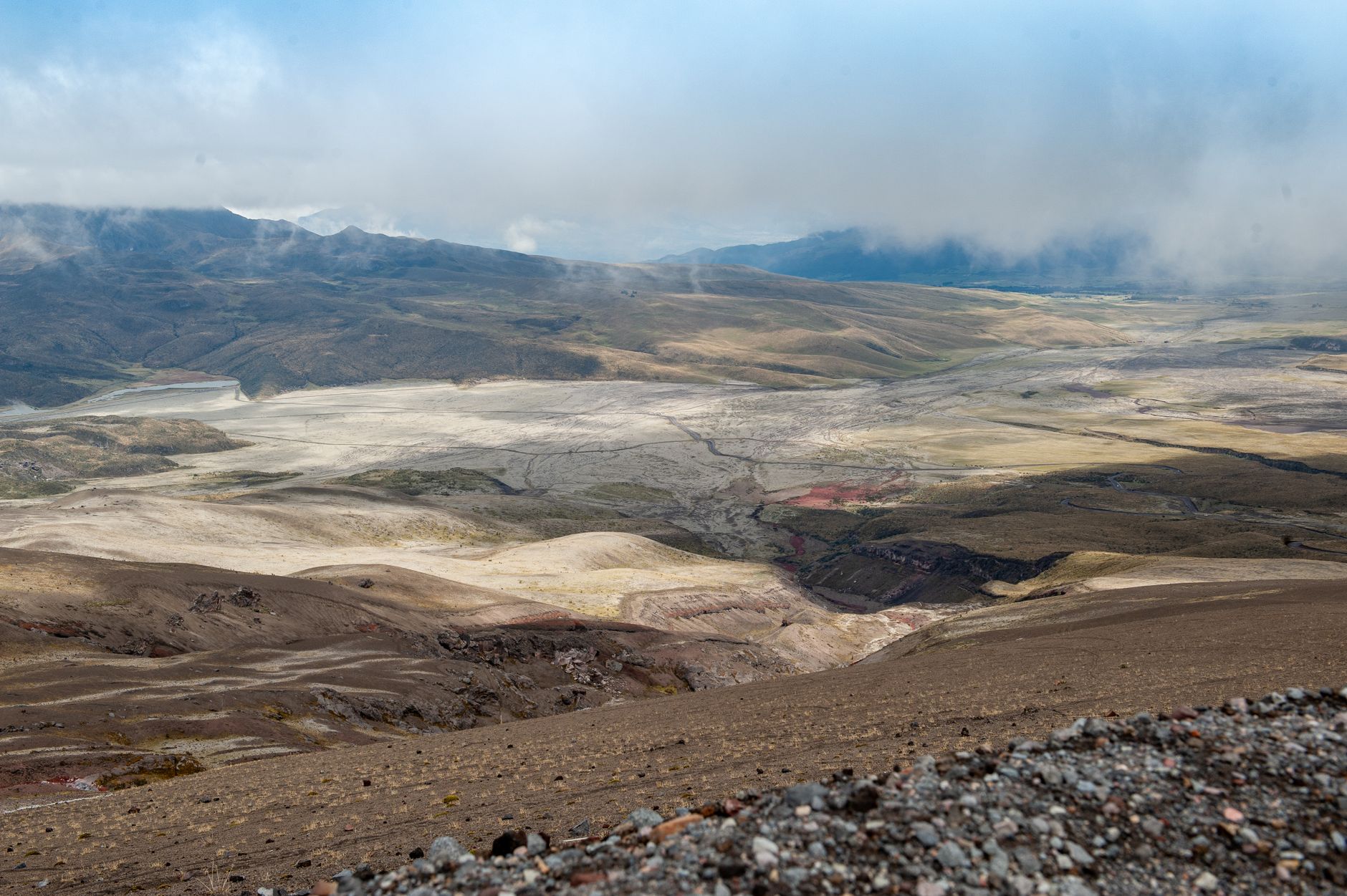
Breathtaking aerial shot of Cotopaxi Volcano with a lone house in El Corazón, Ecuador. Perfect for nature lovers.
Your journey through

Ecuador

Day 21QuitoToday, you’ll take a flight to Quito, Ecuador – a city that sits at an altitude of 2850 m with a view of Pichincha Volcano on the horizon. If your flight arrives on time, head to your second welcome meeting at 2 pm and get to know your new group and trip leader. After the welcome meeting, join your local leader for a tour of Quito's historic centre. Catch the metro to the Parque de la Alameda and visit sites such as the Basilica Voto Nacional – a famous neo-Gothic church known for its atypical gargoyles and grotesques depicting Galapagos tortoises, Andean condors and Amazon alligators. You’ll also visit La Compania de Jesus, a baroque church with an interior that's covered in gold leaf and etched with intricate carvings. Your tour of Quito finishes at San Francisco Square, then you’ll have free time to relax or head out for dinner in Quito’s Old Town – your leader will have plenty of recommendations!
Aerial view of Quito featuring Panecillo Hill and Virgin statue, capturing historic architecture and vibrant cityscape.Quito
Today, you’ll take a flight to Quito, Ecuador – a city that sits at an altitude of 2850 m with a view of Pichincha Volcano on the horizon. If your flight arrives on time, head to your second welcome meeting at 2 pm and get to know your new group and trip leader. After the welcome meeting, join your local leader for a tour of Quito's historic centre. Catch the metro to the Parque de la Alameda and visit sites such as the Basilica Voto Nacional – a famous neo-Gothic church known for its atypical gargoyles and grotesques depicting Galapagos tortoises, Andean condors and Amazon alligators. You’ll also visit La Compania de Jesus, a baroque church with an interior that's covered in gold leaf and etched with intricate carvings. Your tour of Quito finishes at San Francisco Square, then you’ll have free time to relax or head out for dinner in Quito’s Old Town – your leader will have plenty of recommendations!
Map showing Quito
Day 22Isla San Cristobal, GalapagosThis morning, catch an early morning transfer to Quito airport and board a flight to the Galapagos Islands – an archipelago of volcanic islands and a province of Ecuador in the Eastern Pacific Ocean. Known for its abundant wildlife and plant species, Charles Darwin famously visited in 1835 and was inspired to create his theory of evolution. The flight includes a stop in Guayaquil to pick up additional passengers (you won't disembark the plane here). When you arrive on San Cristobal, you’ll meet your local naturalist guide at the airport, then transfer to your hotel to drop off your luggage. Maybe head out for an optional lunch to get to know your fellow travellers. Then, stop by a local shop to pick up snorkelling equipment, with the option to rent a wetsuit. Later, you'll travel by private minibus to La Loberia for the first Galapagos snorkelling experience of your trip. Swim alongside playful sea lions and maybe even sea turtles! Return to town for a free evening and maybe head out with the group for some fresh seafood.
Two Galápagos giant tortoises interacting in their natural habitat.Galapagos
This morning, catch an early morning transfer to Quito airport and board a flight to the Galapagos Islands – an archipelago of volcanic islands and a province of Ecuador in the Eastern Pacific Ocean. Known for its abundant wildlife and plant species, Charles Darwin famously visited in 1835 and was inspired to create his theory of evolution. The flight includes a stop in Guayaquil to pick up additional passengers (you won't disembark the plane here). When you arrive on San Cristobal, you’ll meet your local naturalist guide at the airport, then transfer to your hotel to drop off your luggage. Maybe head out for an optional lunch to get to know your fellow travellers. Then, stop by a local shop to pick up snorkelling equipment, with the option to rent a wetsuit. Later, you'll travel by private minibus to La Loberia for the first Galapagos snorkelling experience of your trip. Swim alongside playful sea lions and maybe even sea turtles! Return to town for a free evening and maybe head out with the group for some fresh seafood.
Map showing Galapagos
Day 23Isla San CristobalTake a 45-minute boat ride to Leon Dormido (Kicker Rock) this morning. On the way, you might be able to spot nesting frigates and blue-footed boobies. You might even get the chance to swim among the sea lions again. At Leon Dormido, you can snorkel and look for sea turtles, manta rays and the harmless Galapagos shark. Eat lunch on the boat, then head to the Interpretation Center. Learn about the history of the 'enchanted islands' and the conservation projects that seek to preserve them. Next, walk to Frigatebird Hill (Cerro Tijeretas) for stunning views of the bay. You’ll return to town in the late afternoon for a free evening.
Stunning aerial view of Yumani harbor with boats and hills, situated on Isla del Sol, Lake Titicaca, Bolivia.Isla San Cristobal
Take a 45-minute boat ride to Leon Dormido (Kicker Rock) this morning. On the way, you might be able to spot nesting frigates and blue-footed boobies. You might even get the chance to swim among the sea lions again. At Leon Dormido, you can snorkel and look for sea turtles, manta rays and the harmless Galapagos shark. Eat lunch on the boat, then head to the Interpretation Center. Learn about the history of the 'enchanted islands' and the conservation projects that seek to preserve them. Next, walk to Frigatebird Hill (Cerro Tijeretas) for stunning views of the bay. You’ll return to town in the late afternoon for a free evening.
Map showing Isla San Cristobal
Day 24Isla Floreana / Isla IsabelaRise bright and early today for a private speedboat trip to Isla Isabela – keep an eye out for dolphins and whales on the journey! On the way, you’ll stop at Isla Floreana where you’ll take a short walk to a black sand beach owned by the Witter family – descendants of some of the Galapagos’ earliest settlers. Here, you’ll learn about the island’s small community and unusual history. Then, put on your snorkelling gear and head into the water to spot colourful fish and sea turtles. For today’s lunch, you’ll sit down for a traditional meal at Leila – a small, family-run restaurant with a genuine community feel. Leila is part of the Floreana Community Tourism Association, meaning your visit directly supports local families and sustainable tourism on this little island. Later today, continue to Isla Isabela, where you’ll spend the night.
Stunning aerial view of Yumani harbor with boats and hills, situated on Isla del Sol, Lake Titicaca, Bolivia.Isla Floreana
Rise bright and early today for a private speedboat trip to Isla Isabela – keep an eye out for dolphins and whales on the journey! On the way, you’ll stop at Isla Floreana where you’ll take a short walk to a black sand beach owned by the Witter family – descendants of some of the Galapagos’ earliest settlers. Here, you’ll learn about the island’s small community and unusual history. Then, put on your snorkelling gear and head into the water to spot colourful fish and sea turtles. For today’s lunch, you’ll sit down for a traditional meal at Leila – a small, family-run restaurant with a genuine community feel. Leila is part of the Floreana Community Tourism Association, meaning your visit directly supports local families and sustainable tourism on this little island. Later today, continue to Isla Isabela, where you’ll spend the night.
Map showing Isla Floreana
Day 25Isla IsabelaThis morning, you’ll hop on a small motorboat and cruise to Las Tintoreras (Shark Alley), looking out for blue-footed boobies and the famous Galapagos penguin. Take a short walk through a marine iguana nesting site (watch your step as they camouflage into the surrounding rock!), then stop at ‘Shark Alley’ – a narrow channel where white-tipped reef sharks rest in the clear, shallow waters. Head back to the boat, then put on your snorkelling gear and jump in to look for sea turtles, playful sea lions, colourful fish, eagle rays and sea stars. Return to Isla Isabela for lunch and then visit the Arnaldo Tupiza Tortoise Breeding Center, where you'll observe giant tortoises in all stages of development, then visit a brackish lagoon to observe flamingos. Later today, kayak around the Bay of Puerto Villamil, maybe spotting pelicans, frigatebirds and the brightly coloured Sally Lightfoot crabs along the way. Spend your evening resting in the sand and soaking in an Isla Isabela sunset – arguably the most beautiful of all the islands!
A dramatic coastal scene featuring a rocky island with seagulls, under an overcast sky near Ecuador.Isla Isabela
This morning, you’ll hop on a small motorboat and cruise to Las Tintoreras (Shark Alley), looking out for blue-footed boobies and the famous Galapagos penguin. Take a short walk through a marine iguana nesting site (watch your step as they camouflage into the surrounding rock!), then stop at ‘Shark Alley’ – a narrow channel where white-tipped reef sharks rest in the clear, shallow waters. Head back to the boat, then put on your snorkelling gear and jump in to look for sea turtles, playful sea lions, colourful fish, eagle rays and sea stars. Return to Isla Isabela for lunch and then visit the Arnaldo Tupiza Tortoise Breeding Center, where you'll observe giant tortoises in all stages of development, then visit a brackish lagoon to observe flamingos. Later today, kayak around the Bay of Puerto Villamil, maybe spotting pelicans, frigatebirds and the brightly coloured Sally Lightfoot crabs along the way. Spend your evening resting in the sand and soaking in an Isla Isabela sunset – arguably the most beautiful of all the islands!
Map showing Isla Isabela
Day 26Isla IsabelaAfter breakfast, travel by private minibus to the trailhead of Sierra Negra Volcano – one of the Galapagos’ most active volcanoes and home to the world's second largest crater! Weather permitting, you’ll take a challenging 17 km round trip hike up the rocky mountain. Starting amid lush highland vegetation, watch the landscape surrounding you transform into stark volcanic terrain as you walk. After your hike, make your way back to town for some free time to relax – maybe curl up with a book, soak your tired muscles or venture down to the water for a relaxing swim before dinner.
Sea lions lounging peacefully on a sandy beach surrounded by rocks.Isla Isabela
After breakfast, travel by private minibus to the trailhead of Sierra Negra Volcano – one of the Galapagos’ most active volcanoes and home to the world's second largest crater! Weather permitting, you’ll take a challenging 17 km round trip hike up the rocky mountain. Starting amid lush highland vegetation, watch the landscape surrounding you transform into stark volcanic terrain as you walk. After your hike, make your way back to town for some free time to relax – maybe curl up with a book, soak your tired muscles or venture down to the water for a relaxing swim before dinner.
Map showing Isla Isabela
Day 27Isla Isabela / Isla Santa CruzJump aboard a private speedboat this morning and head to Isla Santa Cruz. When you arrive, leave your bags at the hotel and head to the Santa Cruz Highlands. Your first stop is a family-run organic sugar cane farm for a tour of their trapiche (a sugar cane mill used in artisanal sugar production). Here, you'll learn how sugar cane, coffee and cacao are harvested and processed. Next, you’ll watch a cooking demonstration featuring the famed encebollado – a local tuna soup that’s widely considered one of the best in the world! Watch as slow-cooked albacore tuna is prepared in a savoury broth of onions, cilantro and spices. The dish is traditionally served with yuca (a starchy root vegetable) and garnished with lime and green onions. Settle in for a bowl of the soup for lunch, then take a leisurely walk around the grounds, where giant tortoises roam freely.
Close-up of a seal lounging on a sandy beach, capturing the beauty of nature and wildlife.Isla Isabela
Jump aboard a private speedboat this morning and head to Isla Santa Cruz. When you arrive, leave your bags at the hotel and head to the Santa Cruz Highlands. Your first stop is a family-run organic sugar cane farm for a tour of their trapiche (a sugar cane mill used in artisanal sugar production). Here, you'll learn how sugar cane, coffee and cacao are harvested and processed. Next, you’ll watch a cooking demonstration featuring the famed encebollado – a local tuna soup that’s widely considered one of the best in the world! Watch as slow-cooked albacore tuna is prepared in a savoury broth of onions, cilantro and spices. The dish is traditionally served with yuca (a starchy root vegetable) and garnished with lime and green onions. Settle in for a bowl of the soup for lunch, then take a leisurely walk around the grounds, where giant tortoises roam freely.
Map showing Isla Isabela
Day 28Isla Santa CruzTake a scenic morning walk in Tortuga Bay after breakfast. When you arrive, you’ll have some free time to relax on the beach, go for a swim and watch marine iguanas, blue-footed boobies and other coastal wildlife. Later in the afternoon, you’ll visit the Charles Darwin Research Station – an international non-profit organisation that’s dedicated to the scientific research and conservation of the archipelago’s environment and biodiversity. After, head to the Galapagos Conservancy to learn how the Intrepid Foundation supports the Women in Sustainable Entrepreneurship (WISE) program. The program provides grants and training to women-owned, sustainability-focused businesses, creating lasting benefits for local communities and the Galapagos’ fragile ecosystems.
A coastal town overlooks a bay filled with various boats, surrounded by lush nature.Isla Santa Cruz
Take a scenic morning walk in Tortuga Bay after breakfast. When you arrive, you’ll have some free time to relax on the beach, go for a swim and watch marine iguanas, blue-footed boobies and other coastal wildlife. Later in the afternoon, you’ll visit the Charles Darwin Research Station – an international non-profit organisation that’s dedicated to the scientific research and conservation of the archipelago’s environment and biodiversity. After, head to the Galapagos Conservancy to learn how the Intrepid Foundation supports the Women in Sustainable Entrepreneurship (WISE) program. The program provides grants and training to women-owned, sustainability-focused businesses, creating lasting benefits for local communities and the Galapagos’ fragile ecosystems.
Map showing Isla Santa Cruz
Day 29QuitoSay goodbye to these enchanting islands and your Galapagos leader, then take a flight back to Quito, making a stop in Guayaquil on the way. You'll arrive in Quito in the afternoon, where a representative from Intrepid will take you from the airport to your hotel. Enjoy a free evening in Quito and perhaps head out for a final dinner with your group.
Aerial view of Quito featuring Panecillo Hill and Virgin statue, capturing historic architecture and vibrant cityscape.Quito
Say goodbye to these enchanting islands and your Galapagos leader, then take a flight back to Quito, making a stop in Guayaquil on the way. You'll arrive in Quito in the afternoon, where a representative from Intrepid will take you from the airport to your hotel. Enjoy a free evening in Quito and perhaps head out for a final dinner with your group.
Map showing Quito
Day 30QuitoThere are no activities planned for today and your adventure comes to an end. We recommend staying a few extra days to see more of Ecuador. Not far from the capital there are volcanoes, hot springs, indigenous markets and much more to explore. If you'd like to extend your stay in Quito, just contact your booking agent ahead of time to organise additional accommodation (subject to availability).
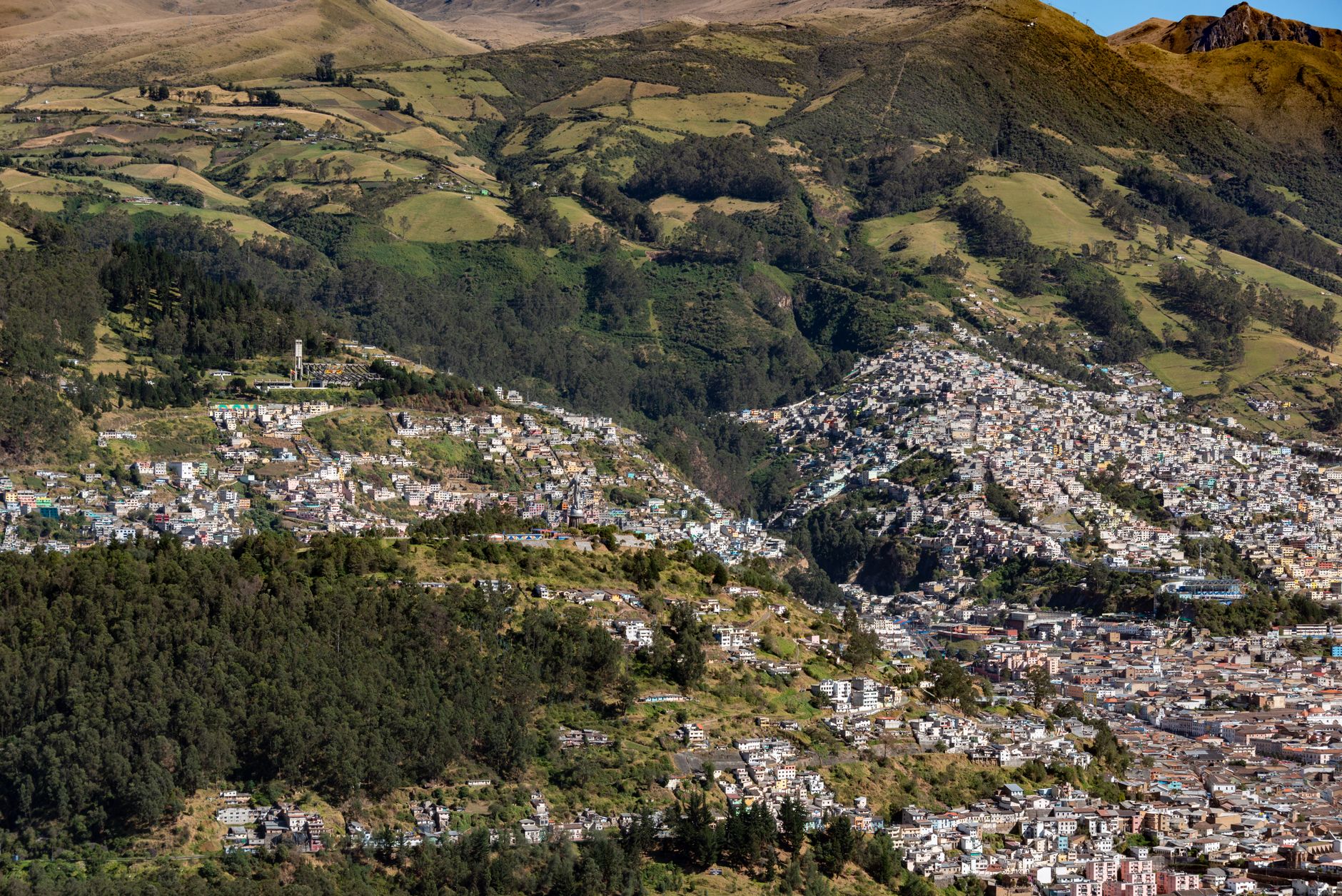
Aerial view showcasing Quito's urban landscape with rolling hills and colorful rooftops.Quito
There are no activities planned for today and your adventure comes to an end. We recommend staying a few extra days to see more of Ecuador. Not far from the capital there are volcanoes, hot springs, indigenous markets and much more to explore. If you'd like to extend your stay in Quito, just contact your booking agent ahead of time to organise additional accommodation (subject to availability).
Map showing Quito

Traveller reviews

4.0

Based on 8 reviews · via Intrepid Travel

Discover Ecuador

A glimpse of the destination you'll explore.

Majestic view of Cotopaxi volcano surrounded by vibrant wildflowers under a clear blue sky.
Stunning aerial view of Quilotoa Crater Lake surrounded by mountains under a vibrant blue sky.
A stunning aerial view of the hillside towns and lush greenery in Quito, Ecuador.
Breathtaking view of Cotopaxi Volcano in Ecuador, showcasing barren, eroded landscapes and clouds.
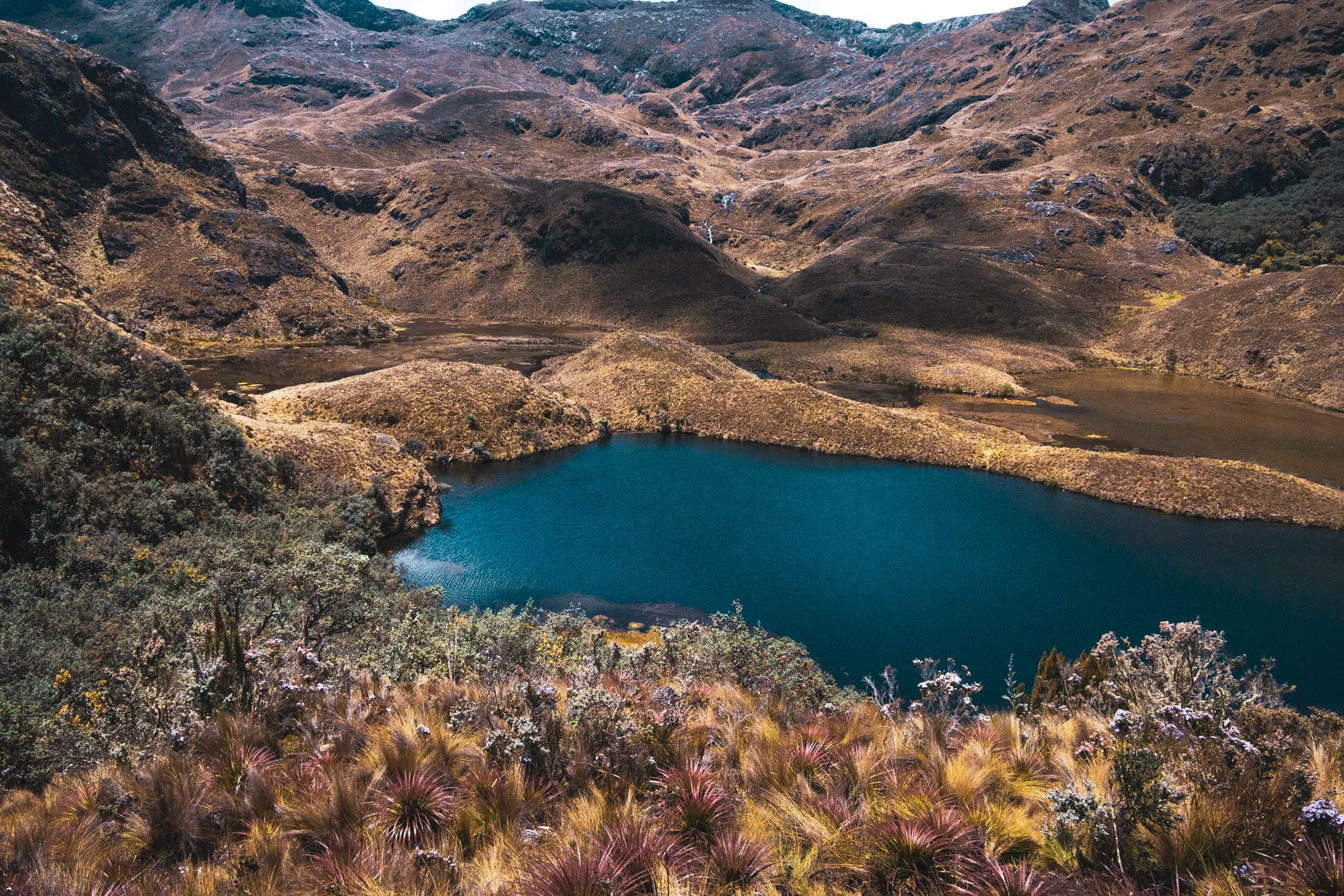
Explore the tranquil beauty of a remote lake nestled amid lush mountains, offering a peaceful escape.

Upcoming departures

DatesPrice / personAvailability
28 Jun 202627 Jul 2026CAD 13,408On requestBook my trip
Operated by Intrepid Travel

A TripFinder-trusted operator. We compare the trip and handle your booking with a real advisor — you travel under the operator's terms.

Book my trip →

More South America adventures

Lima to Rio: Coast to Coast image
G Adventures
Save 20%

Lima to Rio: Coast to Coast

Argentina, Bolivia, Brazil, Chile, Uruguay, Peru · 51 days · Active

fromCAD 8,919
Next: 21 Jun
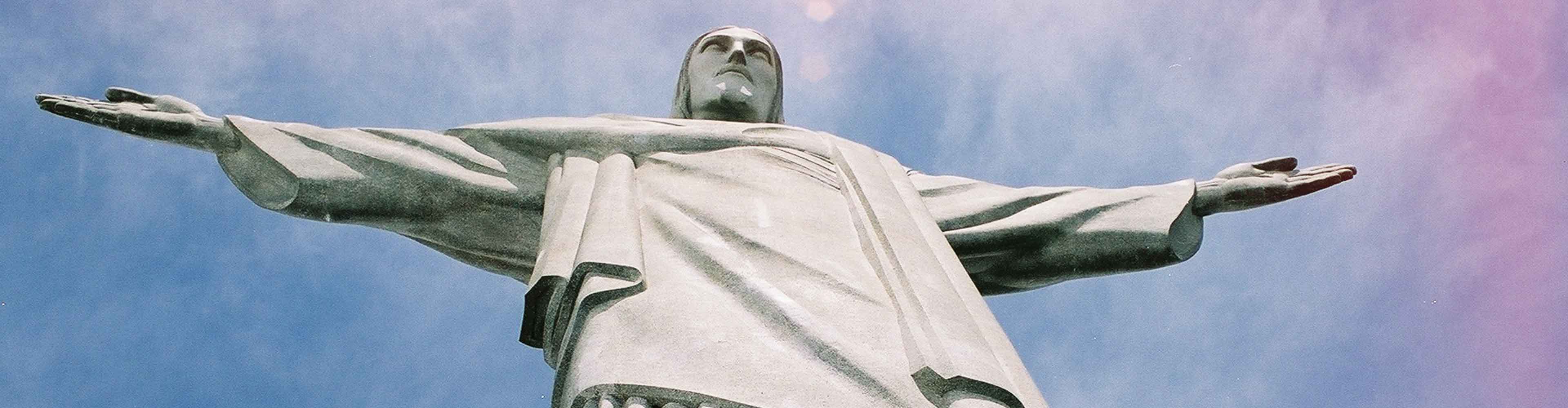
Brazil Rio Christ Redeemer
Intrepid Travel
Deal

Epic South America

Argentina, Bolivia, Brazil, Chile, Peru, Uruguay · 39 days · Moderate4.2(6)

fromCAD 8,901
Next: 24 Jun
Quito to La Paz: Amazon & Ancient Cultures image
G Adventures
Save 20%

Quito to La Paz: Amazon & Ancient Cultures

Ecuador, Bolivia, Peru · 35 days · Active

fromCAD 4,879
Next: 27 Jun