Essential Patagonia: Fjords & Torres del Paine
Operated by Exodus Adventure Travels

Essential Patagonia: Fjords & Torres del Paine

From
CAD 17,140
Duration
14 days
Countries
Chile
Activity
easy

The adventure

Discover the dramatic fjords, glaciers and peaks of southern Chile Retrace Charles Darwin’s epic voyage to the ‘edge of the world’ on our Essential Patagonia: Chilean Fjords and Torres del Paine expedition, a comprehensive journey into Chile’s spectacular network of fjords and channels. Helicopter flightseeing and Zodiac cruises along this enchanting stretch of coastline provide awe-inspiring perspectives of some of the most remote and picturesque

At a glance

Duration
14 days
Route
Countries
Chile
Activity level
easy
Style
Beach & Islands, Multi-Country / Grand Tour, National Parks & Wilderness
Group size
Ask
Flights
Not included
Solo travellers
Ask an agent

Day by day

Stunning mountain scenery in Antofagasta, Chile showcasing rugged terrain and clear blue skies.
Your journey through

Chile

Day 1Start Buenos Aires, ArgentinaYou may arrive in Buenos Aires at any time during Day 1 of your itinerary. Upon arriving in this splendid city, known for its architecture and rich European heritage, you will independently transfer to your group hotel.
You may arrive in Buenos Aires at any time during Day 1 of your itinerary. Upon arriving in this splendid city, known for its architecture and rich European heritage, you will independently transfer to your group hotel.
Day 2Fly to Ushuaia and embarkAfter an early breakfast at the hotel, the group will transfer to the airport and board our private charter flight to Ushuaia, Argentina. Upon arrival, you will be transferred from the airport to a central downtown location to have some time on your own to explore this quaint port town before making your way to the pier. After a late afternoon embarkation, you will sail along the historic Beagle Channel, which transects the Tierra del Fuego archipelago in the extreme south of South America.
After an early breakfast at the hotel, the group will transfer to the airport and board our private charter flight to Ushuaia, Argentina. Upon arrival, you will be transferred from the airport to a central downtown location to have some time on your own to explore this quaint port town before making your way to the pier. After a late afternoon embarkation, you will sail along the historic Beagle Channel, which transects the Tierra del Fuego archipelago in the extreme south of South America.
Day 3Cape HornAs we begin our exploration of Chile’s southern extent, expect a new adventure every day. Though each expedition will be different, depending on the weather, we aim to start our journey to the 'edge of the earth' with a visit to historic Cape Horn (Cabo de Hornos). At the southernmost point of the Tierra del Fuego ('Land of Fire') archipelago, the most isolated place in the Americas, this steep, rocky headland on Hornos Island marks the northern boundary of the famous Drake Passage, where the Atlantic and Pacific Oceans meet. From the 1700s to the early 1900s, prior to the opening of the Panama Canal, this cape was part of a major global trade route. If sea and weather conditions allow, you may go ashore for a hike out to the lighthouse, the tiny Stella Maris ('Star of the Sea') Chapel, and the albatross-shaped monument honoring the many mariners who lost their lives attempting to 'round the Horn.' Atop the windswept promontory, pause for a moment to take in the panoramic view and to enjoy the peaceful solitude that can only be found at one of the most southern stretches of land in the world. You can even have your passport stamped by the family operating the lighthouse!
A catamaran sails near Les Eclaireurs Lighthouse under cloudy skies in Ushuaia, Argentina.Cape Horn
As we begin our exploration of Chile’s southern extent, expect a new adventure every day. Though each expedition will be different, depending on the weather, we aim to start our journey to the 'edge of the earth' with a visit to historic Cape Horn (Cabo de Hornos). At the southernmost point of the Tierra del Fuego ('Land of Fire') archipelago, the most isolated place in the Americas, this steep, rocky headland on Hornos Island marks the northern boundary of the famous Drake Passage, where the Atlantic and Pacific Oceans meet. From the 1700s to the early 1900s, prior to the opening of the Panama Canal, this cape was part of a major global trade route. If sea and weather conditions allow, you may go ashore for a hike out to the lighthouse, the tiny Stella Maris ('Star of the Sea') Chapel, and the albatross-shaped monument honoring the many mariners who lost their lives attempting to 'round the Horn.' Atop the windswept promontory, pause for a moment to take in the panoramic view and to enjoy the peaceful solitude that can only be found at one of the most southern stretches of land in the world. You can even have your passport stamped by the family operating the lighthouse!
Day 4Diego Ramirez IslandsOur ship will then continue cruising farther south, to the Diego Ramírez Islands, the most southern point of South America and one of the least-explored places on the planet. This small archipelago was actually thought to be the southernmost land mass in the world when it was discovered in 1619 by the Spanish Garcia de Nodal expedition. Named after the expedition’s cosmographer, the archipelago held this distinction for 156 years, until Capt. James Cook’s discovery of the South Sandwich Islands in 1775. Weather permitting, depending on conditions, we may choose to zodaic cruise or ship cruise cruise around these tussock-grass-covered islands to admire the abundant birdlife. A designated Important Bird Area, and part of the recently-designated Diego Ramirez Islands and Drake Passage Marine Park, the archipelago is home to millions of breeding seabirds, and an exceptional place for birdwatching. Binoculars in hand, birders will marvel at the sight of multiple species of albatross (these islands are the southernmost albatross breeding ground in the world), including Black-browed albatross, Shy albatross and Grey-headed albatross. Sightings of dolphins, South American Fur seals, and Rockhopper, Macaroni and Magellanic penguins are also possible here.
A breathtaking view of the rocky coastline in Pichilemu, Chile with ocean waves crashing.Diego Ramirez Islands
Our ship will then continue cruising farther south, to the Diego Ramírez Islands, the most southern point of South America and one of the least-explored places on the planet. This small archipelago was actually thought to be the southernmost land mass in the world when it was discovered in 1619 by the Spanish Garcia de Nodal expedition. Named after the expedition’s cosmographer, the archipelago held this distinction for 156 years, until Capt. James Cook’s discovery of the South Sandwich Islands in 1775. Weather permitting, depending on conditions, we may choose to zodaic cruise or ship cruise cruise around these tussock-grass-covered islands to admire the abundant birdlife. A designated Important Bird Area, and part of the recently-designated Diego Ramirez Islands and Drake Passage Marine Park, the archipelago is home to millions of breeding seabirds, and an exceptional place for birdwatching. Binoculars in hand, birders will marvel at the sight of multiple species of albatross (these islands are the southernmost albatross breeding ground in the world), including Black-browed albatross, Shy albatross and Grey-headed albatross. Sightings of dolphins, South American Fur seals, and Rockhopper, Macaroni and Magellanic penguins are also possible here.
Day 5Pia & Garibaldi Glaciers, Glacier AlleyAs our ship sails back north toward the southern edge of Tierra del Fuego, stimulating presentations by your Expedition Team will enrich your knowledge of the glacial systems, geology, environment, wildlife and storied history of the region as you retrace Charles Darwin’s historic journey through the Beagle Channel, a 150-mile (240 km) strait separating Tierra del Fuego’s main island from several smaller islands. Named after Captain Robert FitzRoy’s famous ship on which Charles Darwin was a passenger, the channel presents plenty of photo ops to capture seabirds hovering overhead and dramatic vistas of jagged-peaked mountains and massive tidewater glaciers. Rugged and untouched, this magnificent landscape is as starkly beautiful as it was when Darwin first laid eyes on it in 1833. Glacier Alley (as it’s nicknamed) is one of the most spectacular ship passages in Tierra del Fuego. To honour the European countries that first explored the region, the glaciers have taken their names—España (Oblicuo), Romanche, Alemania (Roncagli), Francia, Italia, and Holland Glaciers. Situated within the protected boundary of Alberto de Agostini National Park, both Pia and Garibaldi Glaciers sit at the head of picturesque ice-choked fjords that offer jaw-dropping views. Located within the Cordillera Darwin (Darwin Mountain Range), the impressive Pia Glacier extends from the soaring mountaintops down into the sea. A short hike to a lookout point provides superb vistas of the glacier and mountains. Surrounded by pristine sub-Antarctic forests, Garibaldi Glacier flows from a separate mountain, providing equally exceptional views, with the Darwin Mountains rising dramatically out of the fjord. We can explore this area by Zodiac, including a beautiful glacial waterfall nearby. As we navigate the fjords, your Expedition Team will keep watch for Andean condors, massive birds rivaled in wingspan by only the Wandering albatross.
As our ship sails back north toward the southern edge of Tierra del Fuego, stimulating presentations by your Expedition Team will enrich your knowledge of the glacial systems, geology, environment, wildlife and storied history of the region as you retrace Charles Darwin’s historic journey through the Beagle Channel, a 150-mile (240 km) strait separating Tierra del Fuego’s main island from several smaller islands. Named after Captain Robert FitzRoy’s famous ship on which Charles Darwin was a passenger, the channel presents plenty of photo ops to capture seabirds hovering overhead and dramatic vistas of jagged-peaked mountains and massive tidewater glaciers. Rugged and untouched, this magnificent landscape is as starkly beautiful as it was when Darwin first laid eyes on it in 1833. Glacier Alley (as it’s nicknamed) is one of the most spectacular ship passages in Tierra del Fuego. To honour the European countries that first explored the region, the glaciers have taken their names—España (Oblicuo), Romanche, Alemania (Roncagli), Francia, Italia, and Holland Glaciers. Situated within the protected boundary of Alberto de Agostini National Park, both Pia and Garibaldi Glaciers sit at the head of picturesque ice-choked fjords that offer jaw-dropping views. Located within the Cordillera Darwin (Darwin Mountain Range), the impressive Pia Glacier extends from the soaring mountaintops down into the sea. A short hike to a lookout point provides superb vistas of the glacier and mountains. Surrounded by pristine sub-Antarctic forests, Garibaldi Glacier flows from a separate mountain, providing equally exceptional views, with the Darwin Mountains rising dramatically out of the fjord. We can explore this area by Zodiac, including a beautiful glacial waterfall nearby. As we navigate the fjords, your Expedition Team will keep watch for Andean condors, massive birds rivaled in wingspan by only the Wandering albatross.
Day 6Dainelli (Aguila) GlacierLocated at the end of a tranquil lagoon surrounded by lush sub-Antarctic forests in Agostini Sound, Dainelli Glacier (sometimes called Aguila—Spanish for 'Eagle' Glacier) is a unique sight, as it appears to flow over rolling hills rather than mountains. Cruising aboard a Zodiac toward the blue-tinged wall of ice, conditions permitting, you will be humbled by the wonder of nature’s power. We hope to venture ashore for an easy hike along the beach to get a more intensive look at the glacier and surrounding mountains.
Captivating view of striking ice formations in Patagonia's glacier landscape.Dainelli (Aguila) Glacier
Located at the end of a tranquil lagoon surrounded by lush sub-Antarctic forests in Agostini Sound, Dainelli Glacier (sometimes called Aguila—Spanish for 'Eagle' Glacier) is a unique sight, as it appears to flow over rolling hills rather than mountains. Cruising aboard a Zodiac toward the blue-tinged wall of ice, conditions permitting, you will be humbled by the wonder of nature’s power. We hope to venture ashore for an easy hike along the beach to get a more intensive look at the glacier and surrounding mountains.
Day 7Cruising the Chilean FjordsContinuing north, we’ll navigate through a remote network of coastal fjords and channels, including time spent venturing out into the Pacific Ocean. Your Expedition Team will prepare for the adventures that await, helping you further understand the glacial systems, as well as the flora and fauna that can be found in this part of Chile. Take a moment, as we glide past soaring snow-capped peaks, to contemplate the mariners of long ago who traveled these same sheltered passageways, and were rewarded with the same wondrous sights.
Scenic view of a cruise ship in a Norwegian fjord with green mountains.Cruising the Chilean Fjords
Continuing north, we’ll navigate through a remote network of coastal fjords and channels, including time spent venturing out into the Pacific Ocean. Your Expedition Team will prepare for the adventures that await, helping you further understand the glacial systems, as well as the flora and fauna that can be found in this part of Chile. Take a moment, as we glide past soaring snow-capped peaks, to contemplate the mariners of long ago who traveled these same sheltered passageways, and were rewarded with the same wondrous sights.
Day 8Puerto Natales & Torres Del Paine Nationa ParkSailing the turquoise waters of the extraordinary stretch of coastline leading to the small port of Puerto Natales, we’ll meander through a mesmerizing maze of deep, windswept fjords, narrow channels and isolated bays, with an eye toward the rugged landscape, unique wildlife and impressive glaciers that tumble from the towering mountains into the icy waters below, along with the imperial and king cormorants, South American terns, black-necked swans and southern wigeons (Chiloé wigeons) that frequent the fjord. Torres del Paine National Park is one of the most stunning wilderness areas in South America, and Puerto Natales is the gateway. This enormous park is a UNESCO Biosphere Reserve, so designated for both its natural wonders and ancient human history, and named for the three granite peaks that tower above the glacier-fed lakes. Enjoy a full day of hiking tailored to your preferred activity level and stopping at lookouts in the park, followed by a traditional Patagonian barbecue in the afternoon. Taking our expedition onto dry land for another full day, we will also visit a working Patagonian estancia (‘ranch’), founded in 1891 by Scottish immigrants. Here you will learn about Patagonian sheep farming in a historic pastoral setting. Inhabiting the surrounding grasslands are the ostrich-like rhea, and guanacos, a wild relative of the domestic llama. Complete your cultural experience with a lunch of barbecued lamb al palo (‘on a stick’), and return to the ship in the early evening.
Explore the breathtaking Andes mountains in Torres del Paine, Chile, with dramatic skies and untouched nature.Torres del Paine
Sailing the turquoise waters of the extraordinary stretch of coastline leading to the small port of Puerto Natales, we’ll meander through a mesmerizing maze of deep, windswept fjords, narrow channels and isolated bays, with an eye toward the rugged landscape, unique wildlife and impressive glaciers that tumble from the towering mountains into the icy waters below, along with the imperial and king cormorants, South American terns, black-necked swans and southern wigeons (Chiloé wigeons) that frequent the fjord. Torres del Paine National Park is one of the most stunning wilderness areas in South America, and Puerto Natales is the gateway. This enormous park is a UNESCO Biosphere Reserve, so designated for both its natural wonders and ancient human history, and named for the three granite peaks that tower above the glacier-fed lakes. Enjoy a full day of hiking tailored to your preferred activity level and stopping at lookouts in the park, followed by a traditional Patagonian barbecue in the afternoon. Taking our expedition onto dry land for another full day, we will also visit a working Patagonian estancia (‘ranch’), founded in 1891 by Scottish immigrants. Here you will learn about Patagonian sheep farming in a historic pastoral setting. Inhabiting the surrounding grasslands are the ostrich-like rhea, and guanacos, a wild relative of the domestic llama. Complete your cultural experience with a lunch of barbecued lamb al palo (‘on a stick’), and return to the ship in the early evening.
Map showing Torres del Paine
Day 9Canal de las MontanasCruising the calm, crystal-clear waters of the Canal de las Montañas ('Channel' or 'Fjord of the Mountains') will leave you breathless. You’ll be awed by the amazing series of waterfalls cascading down between the jagged peaks that rise up sharply on either side of the narrow, 41-mile (66 km) long channel dotted with glaciers, five of which spill dramatically into the water. Here, impressive ice fields glisten, and steeply sloped glaciers exceed elevations over 8,235 feet (2,510 metres). The channel also provides an ideal place to put our Zodiacs in the water for more detailed exploring or going ashore for a hike to scenic viewpoints. If you’re feeling more adventurous, perhaps you’ll treat yourself to an optional kayaking excursion (extra cost), an exceptional opportunity to experience the channel from a special perspective.
A woman sits on a dock, gazing at the tranquil Lake Villarrica in Pucón, Chile.Canal de las Montanas
Cruising the calm, crystal-clear waters of the Canal de las Montañas ('Channel' or 'Fjord of the Mountains') will leave you breathless. You’ll be awed by the amazing series of waterfalls cascading down between the jagged peaks that rise up sharply on either side of the narrow, 41-mile (66 km) long channel dotted with glaciers, five of which spill dramatically into the water. Here, impressive ice fields glisten, and steeply sloped glaciers exceed elevations over 8,235 feet (2,510 metres). The channel also provides an ideal place to put our Zodiacs in the water for more detailed exploring or going ashore for a hike to scenic viewpoints. If you’re feeling more adventurous, perhaps you’ll treat yourself to an optional kayaking excursion (extra cost), an exceptional opportunity to experience the channel from a special perspective.
Map showing Canal de las Montanas
Day 10Tuckers IsletsA series of small islands and rocky outcrops in Almirantazgo Sound ('Admiralty Sound'), a small fjord off the Strait of Magellan, Tuckers Islets is a superb location for viewing penguins. Though landing here is prohibited, a Zodiac excursion will take you very near a pebble beach to view a colony of 4,000-plus breeding Magellanic penguins, conditions permitting. Named for Portuguese explorer Ferdinand Magellan, whose crew sighted the charming creatures in 1520 during the first circumnavigation of the globe, the species is native to the region, and the sight of them in their burrows, lounging on the beach or waddling in and out of the water, is one you won’t forget. If we’re fortunate, we may also see Chilean skuas, Magellanic cormorants (Rock shags), Imperial cormorants (King shags), oystercatchers, Kelp geese, or even dolphins.
Stunning aerial view of a rocky islet along the Tillamook coastline in Oregon, surrounded by clear blue ocean waters.Tuckers Islets
A series of small islands and rocky outcrops in Almirantazgo Sound ('Admiralty Sound'), a small fjord off the Strait of Magellan, Tuckers Islets is a superb location for viewing penguins. Though landing here is prohibited, a Zodiac excursion will take you very near a pebble beach to view a colony of 4,000-plus breeding Magellanic penguins, conditions permitting. Named for Portuguese explorer Ferdinand Magellan, whose crew sighted the charming creatures in 1520 during the first circumnavigation of the globe, the species is native to the region, and the sight of them in their burrows, lounging on the beach or waddling in and out of the water, is one you won’t forget. If we’re fortunate, we may also see Chilean skuas, Magellanic cormorants (Rock shags), Imperial cormorants (King shags), oystercatchers, Kelp geese, or even dolphins.
Day 11Ainsworth Bay & Islote AlbatrosPatagoniaContinuing our exploration of Almirantazgo Sound, we plan to explore ashore at Ainsworth Bay, one of the most picturesque and pristine places in Patagonia. Surrounded by untouched sub-Antarctic forest, this isolated bay is a protected area within the border of Alberto de Agostini National Park. It hosts abundant birdlife, so you’ll want to keep your eyes peeled as we cruise in the Zodiacs. Hiking options will be available for all fitness levels, affording panoramic views of Marinelli Glacier, Marinelli Fjord and the surrounding Darwin mountain range. In 2003, a small breeding colony of Black-browed albatross was documented on Islote Albatros ('Albatross Islet'), located in Admiralty Sound. Normally albatross are seabirds, nesting and feeding in coastal waters and open ocean; this the first record of a colony of this species in inland waters, feeding mainly in fjords and channels.
Stunning landscape of snow-capped Andes mountains and lake at sunrise in Argentina.Patagonia
Continuing our exploration of Almirantazgo Sound, we plan to explore ashore at Ainsworth Bay, one of the most picturesque and pristine places in Patagonia. Surrounded by untouched sub-Antarctic forest, this isolated bay is a protected area within the border of Alberto de Agostini National Park. It hosts abundant birdlife, so you’ll want to keep your eyes peeled as we cruise in the Zodiacs. Hiking options will be available for all fitness levels, affording panoramic views of Marinelli Glacier, Marinelli Fjord and the surrounding Darwin mountain range. In 2003, a small breeding colony of Black-browed albatross was documented on Islote Albatros ('Albatross Islet'), located in Admiralty Sound. Normally albatross are seabirds, nesting and feeding in coastal waters and open ocean; this the first record of a colony of this species in inland waters, feeding mainly in fjords and channels.
Map showing Patagonia
Day 12Bahia BrookesAnother excellent spot for glacier exploring in Almirantazgo Sound is Bahia Brookes (Brookes Bay), where, conditions permitting, we’ll go ashore by Zodiac. The bay offers ample chances for closer views of a number of waterfalls and glaciers, including the calving North Brookes Glacier, set against the breath-taking backdrop of the towering Darwin mountain range. Amid the serene silence of this icy wonderland, the only sound you may hear is the powerful roar of ice breaking off and crashing into the frigid waters below. This is also a great location for viewing ice fall deposits, which form reconstituted glaciers, and kame (silt and sediment deposits).
Charming scene of rustic boats nestled on the scenic shoreline of Cochamó, Los Lagos, Chile.Bahia Brookes
Another excellent spot for glacier exploring in Almirantazgo Sound is Bahia Brookes (Brookes Bay), where, conditions permitting, we’ll go ashore by Zodiac. The bay offers ample chances for closer views of a number of waterfalls and glaciers, including the calving North Brookes Glacier, set against the breath-taking backdrop of the towering Darwin mountain range. Amid the serene silence of this icy wonderland, the only sound you may hear is the powerful roar of ice breaking off and crashing into the frigid waters below. This is also a great location for viewing ice fall deposits, which form reconstituted glaciers, and kame (silt and sediment deposits).
Day 13Marta IslandIn the middle of the Strait of Magellan, Marta Island (Isla Marta) is home to abundant birdlife and more than one thousand Patagonian (South American) Sea lions. To protect the wildlife, shore landings are not possible here, but we do plan to circumnavigate the island, providing numerous opportunities to observe and photograph the colony from a short distance, in the comfort of a Zodiac. Called lobos marinos (‘sea wolves’) by local Chileans, these giant pinnipeds—males can weigh over 700 pounds/320 kg—form quite a noisy group as each Sea lion vies for a choice spot of coastline. As you cruise by, sightings of Imperial cormorants, skuas, Southern gulls, Antarctic pigeons—and if we’re lucky, dolphins—are also possible.
Beautiful view of a rocky island in the blue sea with a clear blue sky in Santa Marta, Colombia.Marta Island
In the middle of the Strait of Magellan, Marta Island (Isla Marta) is home to abundant birdlife and more than one thousand Patagonian (South American) Sea lions. To protect the wildlife, shore landings are not possible here, but we do plan to circumnavigate the island, providing numerous opportunities to observe and photograph the colony from a short distance, in the comfort of a Zodiac. Called lobos marinos (‘sea wolves’) by local Chileans, these giant pinnipeds—males can weigh over 700 pounds/320 kg—form quite a noisy group as each Sea lion vies for a choice spot of coastline. As you cruise by, sightings of Imperial cormorants, skuas, Southern gulls, Antarctic pigeons—and if we’re lucky, dolphins—are also possible.
Day 14Disembark in Punta Arenas and fly to SantiagoAfter an adventurous two weeks of exploration, you’ll say goodbye to your Expedition Team and disembark in Punta Arenas, to be transferred to the airport for your charter flight to Santiago, where you are welcome to continue on your own travels or connect to your homeward flights.
After an adventurous two weeks of exploration, you’ll say goodbye to your Expedition Team and disembark in Punta Arenas, to be transferred to the airport for your charter flight to Santiago, where you are welcome to continue on your own travels or connect to your homeward flights.

Discover Chile

A glimpse of the destination you'll explore.
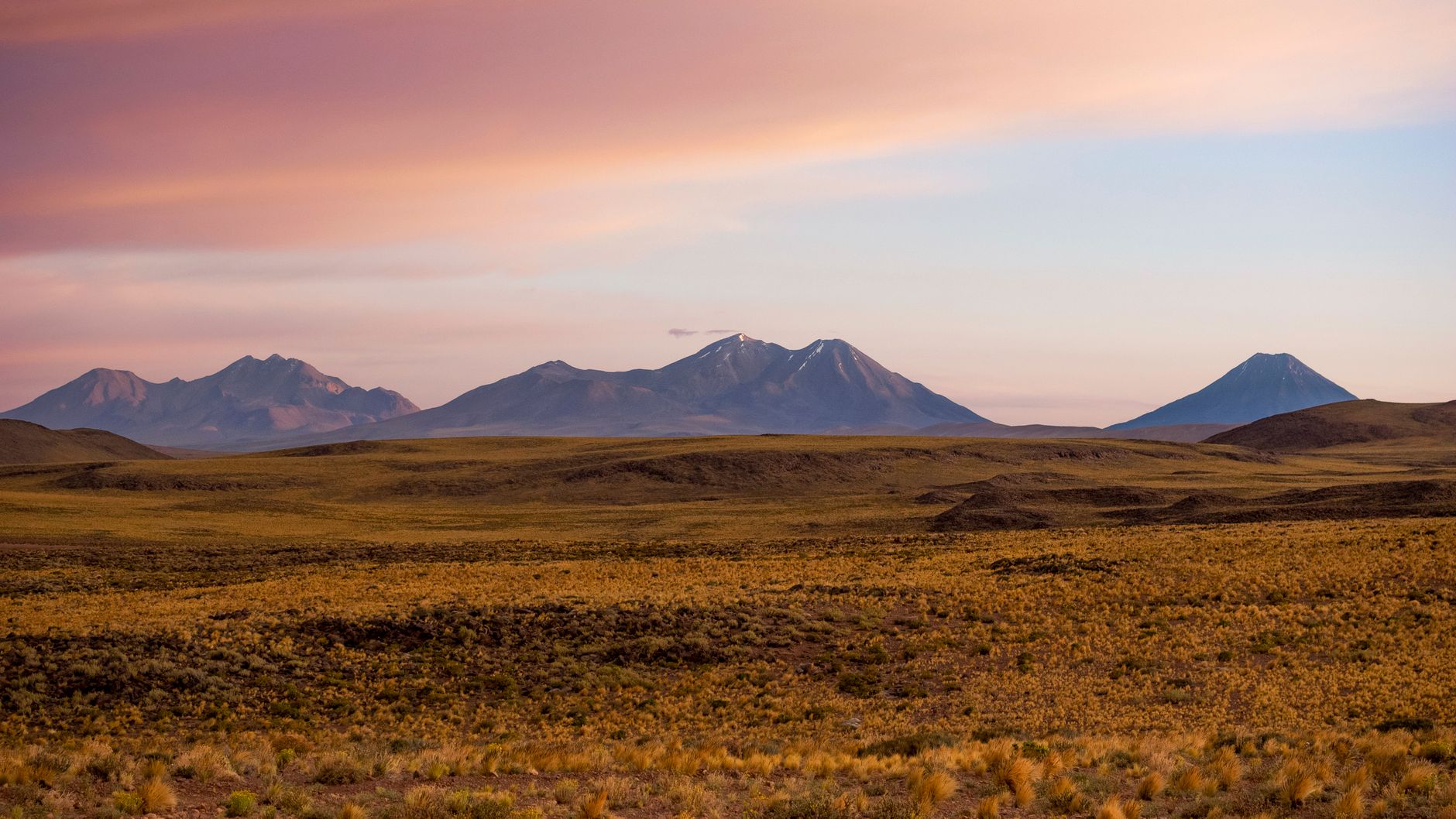
Peaceful mountain landscape with golden fields under a pastel sky during dusk.
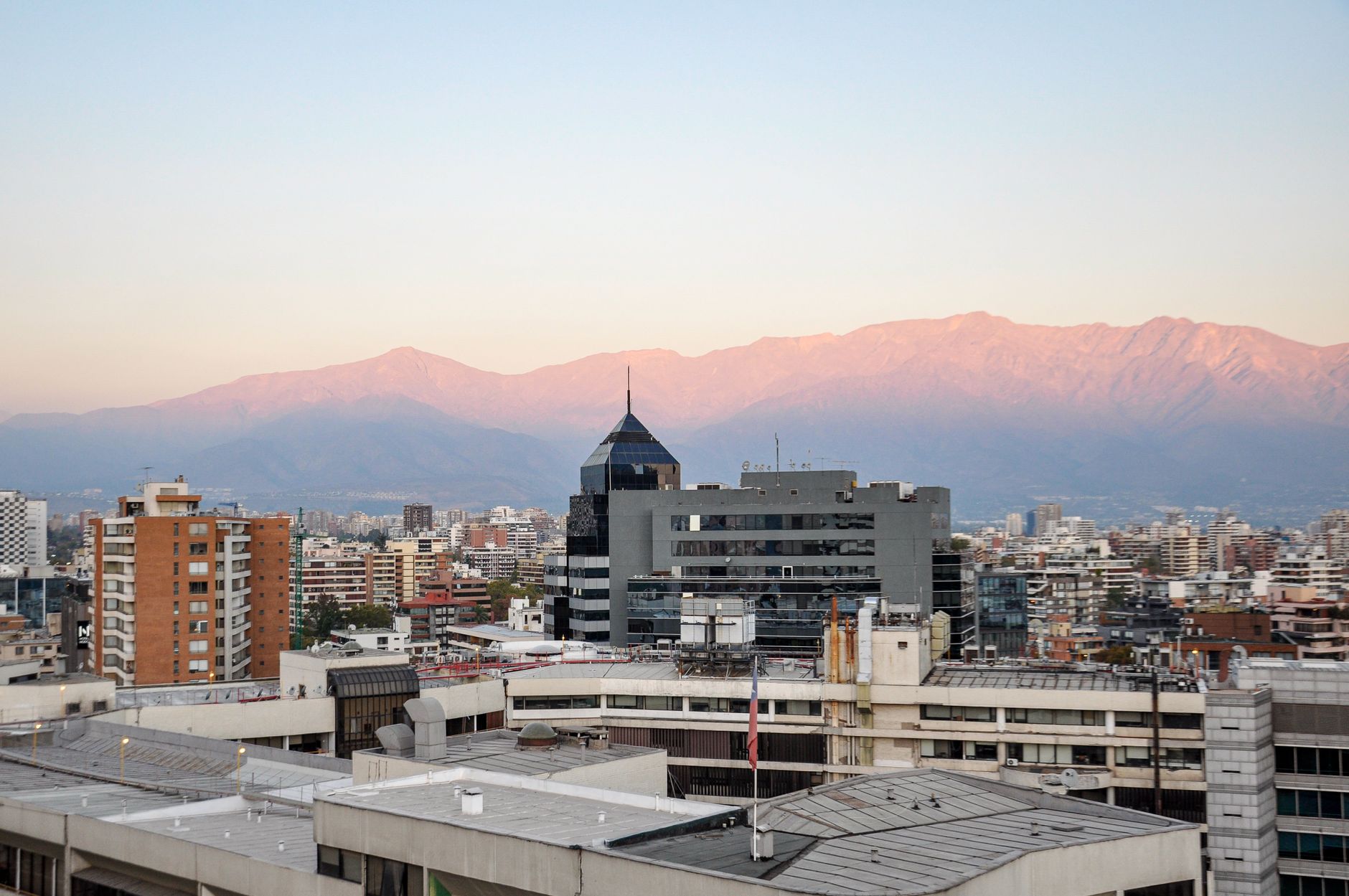
Stunning view of Santiago's skyline with the Andes during sunset, showcasing urban life in Chile.
Explore the serene beauty of a desert road winding through Antofagasta, Chile's vast landscape.
Stunning view of Licancabur Volcano in the Atacama Desert under a clear blue sky.
Charming rural landscape with houses nestled between trees in Araucanía, Chile.

Upcoming departures

DatesPrice / personAvailability
20 Mar 20273 Apr 2027CAD 17,995On requestBook my trip
Operated by Exodus Adventure Travels

A TripFinder-trusted operator. We compare the trip and handle your booking with a real advisor — you travel under the operator's terms.

Book my trip →

More South America adventures

Lima to Rio: Coast to Coast image
G Adventures
Save 20%

Lima to Rio: Coast to Coast

Argentina, Bolivia, Brazil, Chile, Uruguay, Peru · 51 days · Active

fromCAD 8,919
Next: 20 Jun
Brazil Rio Christ Redeemer
Intrepid Travel
Deal

Epic South America

Argentina, Bolivia, Brazil, Chile, Peru, Uruguay · 39 days · Moderate4.2(6)

fromCAD 8,901
Next: 24 Jun
Quito to La Paz: Amazon & Ancient Cultures image
G Adventures
Save 20%

Quito to La Paz: Amazon & Ancient Cultures

Ecuador, Bolivia, Peru · 35 days · Active

fromCAD 4,879
Next: 27 Jun