Full Spanish Camino Rambler
Operated by UTracks

Full Spanish Camino Rambler

From
CAD 12,490
Duration
58 days
Countries
Spain
Activity
moderate

The adventure

Factual trip data observed from UTracks.

At a glance

Duration
58 days
Route
Countries
Spain
Activity level
moderate
Style
Trekking & Hiking
Group size
Ask
Flights
Not included
Solo travellers
Ask an agent

Day by day

Modern residential buildings in Valencia, Spain, set against a scenic mountain range under a cloudy sky.
Your journey through

Spain

Day 1Day 1: Arrive Saint Jean Pied de PortMake your own way to Saint-Jean-Pied-de-Port, the traditional starting point of the Camino and capital of the Basse-Navarre and the Pays de Aze It is also one of the three remaining French provinces of the old Kingdom of Navarre. There is time in the afternoon to take a stroll along the cobbled streets and up to the town lookout. You can also explore the many arts and craft shops. We recommend purchasing supplies for snacks and lunch tomorrow. You should also collect your pilgrim stamp from the Pilgrim Office or Tourist Office.
Make your own way to Saint-Jean-Pied-de-Port, the traditional starting point of the Camino and capital of the Basse-Navarre and the Pays de Aze It is also one of the three remaining French provinces of the old Kingdom of Navarre. There is time in the afternoon to take a stroll along the cobbled streets and up to the town lookout. You can also explore the many arts and craft shops. We recommend purchasing supplies for snacks and lunch tomorrow. You should also collect your pilgrim stamp from the Pilgrim Office or Tourist Office.
Day 2Day 2: Walk to Orisson in the Pyrenees (3-4hrsYour Camino begins with crossing the old roman bridge over the River Nive. Leaving St Jean, it is a scenic and long steep climb to Orisson in the French Pyrenees, following the 'Napoleon Route'. From Orisson an afternoon transfer (at 2pm) takes you back to St Jean for overnight. We recommend an early start to enjoy the views and climb. Ascent 500m/descent -50m
Your Camino begins with crossing the old roman bridge over the River Nive. Leaving St Jean, it is a scenic and long steep climb to Orisson in the French Pyrenees, following the 'Napoleon Route'. From Orisson an afternoon transfer (at 2pm) takes you back to St Jean for overnight. We recommend an early start to enjoy the views and climb. Ascent 500m/descent -50m
Day 3Day 3: Transfer to OrissonTransfer to Orisson this morning (10am) to continue your Camino. Today is impressive as you climb towards the Franco-Spanish border. There are cols to cross today, and this is quite an exposed stage so remember your hat, sunscreen and water. Arrive in Roncesvalles with its historic monastery. Ascent 650m/descent -700m
Transfer to Orisson this morning (10am) to continue your Camino. Today is impressive as you climb towards the Franco-Spanish border. There are cols to cross today, and this is quite an exposed stage so remember your hat, sunscreen and water. Arrive in Roncesvalles with its historic monastery. Ascent 650m/descent -700m
Day 4Day 4: Walk through typical Basque countryside…The trail crosses undulating green hills and passes through typical Basque country villages. These villages are quite small, surrounded by cultivated fields, animal barns and meadows. Today's destination is Bizkarreta-Gerendiain (Spanish: Viscarret-Guerendiain), thought to have been founded in the 12th century and once home to an historic pilgrim hospital. Ascent 250m/descent -300m
The trail crosses undulating green hills and passes through typical Basque country villages. These villages are quite small, surrounded by cultivated fields, animal barns and meadows. Today's destination is Bizkarreta-Gerendiain (Spanish: Viscarret-Guerendiain), thought to have been founded in the 12th century and once home to an historic pilgrim hospital. Ascent 250m/descent -300m
Day 5Day 5: Continue to Zubiri or Akerreta (3-5hrs, 8 or 14km/5 or 8.8mi)You will walk through lovely wooded areas with beech, oak, maple, hazel and holly trees. Continue to Zubiri or, dependent on availability, further along the trail (approx 6km/3,75mi) through the town of Larrasoana to Akerreta. Ascent 200m/descent -220m
You will walk through lovely wooded areas with beech, oak, maple, hazel and holly trees. Continue to Zubiri or, dependent on availability, further along the trail (approx 6km/3,75mi) through the town of Larrasoana to Akerreta. Ascent 200m/descent -220m
Day 6Day 6: To Pamplona (4-5hrs, 14 or 19km/8.8 or 11.8mi)There are a few ups and downs again today. Pass through Zuriain and continue towards Zabaldika. From here you walk up the hill past the small village of Arleta. Reach the Magdalena brighe over the Arga river and finally reach the Pamplona city walls, entering the historic quarter through the Portal de Francia. It's a wonderful walk into this historic city, with its cathedral and old town. Dinner is not included tonight so you are free to sample the local pinxtos (tapas). Ascent 170m/descent -160m
There are a few ups and downs again today. Pass through Zuriain and continue towards Zabaldika. From here you walk up the hill past the small village of Arleta. Reach the Magdalena brighe over the Arga river and finally reach the Pamplona city walls, entering the historic quarter through the Portal de Francia. It's a wonderful walk into this historic city, with its cathedral and old town. Dinner is not included tonight so you are free to sample the local pinxtos (tapas). Ascent 170m/descent -160m
Day 7Day 7: Continue to Zariquiegui (3-4hrsFrom Pamplona's main square you follow the Camino signs to make your way out of the city. The route takes you from the old town to walk through parks in the modern part of the city before the landscape opens out. You can take a short detour that will allow you to view the octagonal chapel of Eucate, one of the Roman jewels of the trail of Aragon. In the afternoon (3pm) transfer from the small village of Zariquiegui to Pamplona and your hotel. Ascent 150m/descent -130m
From Pamplona's main square you follow the Camino signs to make your way out of the city. The route takes you from the old town to walk through parks in the modern part of the city before the landscape opens out. You can take a short detour that will allow you to view the octagonal chapel of Eucate, one of the Roman jewels of the trail of Aragon. In the afternoon (3pm) transfer from the small village of Zariquiegui to Pamplona and your hotel. Ascent 150m/descent -130m
Day 8Day 8: Walk from Zariquiegui to Puente la Reina (3-4hrs, 13km/8.1mi)This morning after breakfast (10am) transfer back to Zariquiegui to continue your walk. Crossing meadows and fields of crops the path gently ascends and you'll pass by the landmark sculpture at Alto del Perdon. From here, descend via the town of Uterga to Puente la Reina, with its medieval bridge. Ascent 140m/descent -250m
This morning after breakfast (10am) transfer back to Zariquiegui to continue your walk. Crossing meadows and fields of crops the path gently ascends and you'll pass by the landmark sculpture at Alto del Perdon. From here, descend via the town of Uterga to Puente la Reina, with its medieval bridge. Ascent 140m/descent -250m
Day 9Day 9: Walk to Lorca (3-4hrs, 13km/8.1mi)On this stage you will follow the banks of the Arga River along a sheltered path to Maneru, once linked to the Knights Templar and Order of St John. There are historic medieval bridges near hilltop Cirauqui and across the river Solada on your way to Lorca. The last section takes you through vineyards and a treeless landscape. Ascent 180m/descent -200m
On this stage you will follow the banks of the Arga River along a sheltered path to Maneru, once linked to the Knights Templar and Order of St John. There are historic medieval bridges near hilltop Cirauqui and across the river Solada on your way to Lorca. The last section takes you through vineyards and a treeless landscape. Ascent 180m/descent -200m
Day 10Day 10: On to Estella (3hrs, 10km/6.2mi)Continue through crop fields, vineyards and wooded areas before arriving in Estella, a vibrant town on the Camino. Ascent 160m/descent -180m
Continue through crop fields, vineyards and wooded areas before arriving in Estella, a vibrant town on the Camino. Ascent 160m/descent -180m
Day 11Day 11: Walk to Villamayor de Monjardín (3hrsContinue along natural paths and through holm oaks and pine trees up to Monjardin. This stage allows a detour to discover the imposing Irache Monastery and its ‘wine fountain’ – choose to fill your water bottles with either wine or water! An afternoon transfer takes you back to Estella and your accommodation. Ascent 150m/descent -170m
Continue along natural paths and through holm oaks and pine trees up to Monjardin. This stage allows a detour to discover the imposing Irache Monastery and its ‘wine fountain’ – choose to fill your water bottles with either wine or water! An afternoon transfer takes you back to Estella and your accommodation. Ascent 150m/descent -170m
Day 12Day 12: Transfer to Villamayor de MonjardinTransfer (at 10am) Estella to Villamayor de Monjardin to continue your Camino. Today’s walk is mainly through open fields - you will not pass through any villages before reaching Los Arcos early in the afternoon. This is a very small town with a few cafes/bars. Take time to wander its narrow streets. Ascent 300m/descent -220m
Transfer (at 10am) Estella to Villamayor de Monjardin to continue your Camino. Today’s walk is mainly through open fields - you will not pass through any villages before reaching Los Arcos early in the afternoon. This is a very small town with a few cafes/bars. Take time to wander its narrow streets. Ascent 300m/descent -220m
Day 13Day 13: Continue to Viana (4-5hrs, 18km/11.2mi)Not far into the walk you will reach the villages of Sansol and Torres del Rio across the river, where you can stop to buy some refreshments. There are some short, steep stages after Torres del Rio on your way to the lively town of Viana. Ascent 200m/descent -180m
Not far into the walk you will reach the villages of Sansol and Torres del Rio across the river, where you can stop to buy some refreshments. There are some short, steep stages after Torres del Rio on your way to the lively town of Viana. Ascent 200m/descent -180m
Day 14Day 14: On to LogroñoToday you'll pass places of historic interest as you walk from Navarre to the well-known wine centre of Rioja and its main city, Logroño. To enter Logrono you will walk around the town before descending to the stone bridge which leads the way into the centre. Logroño is a beautiful city with a lively tapas district (try the mushrooms!). There is an annual wine harvest festival with celebrations all week and the main event coinciding with the feast of San Mateo (St Matthew) on 21 September. Ascent 150m/descent -180m
Today you'll pass places of historic interest as you walk from Navarre to the well-known wine centre of Rioja and its main city, Logroño. To enter Logrono you will walk around the town before descending to the stone bridge which leads the way into the centre. Logroño is a beautiful city with a lively tapas district (try the mushrooms!). There is an annual wine harvest festival with celebrations all week and the main event coinciding with the feast of San Mateo (St Matthew) on 21 September. Ascent 150m/descent -180m
Day 15Day 15: Walk to Navarrete (3-4hrs, 13km/8.1mi)Today's walk is gently uphill on the historic Rúa Vieja road out of Logroño, and continues through the park of La Grajera to the village of Naverrete. Ascent 100m/descent -90m
Today's walk is gently uphill on the historic Rúa Vieja road out of Logroño, and continues through the park of La Grajera to the village of Naverrete. Ascent 100m/descent -90m
Day 16Day 16: Walk via Alto de San Anton to Najera (5-6hrs, 17km/10.5mi)Leaving Navarrete you'll find the ruins of the 12th century San Juan de Acre pilgrim hospital. Continue to ascend via Ventosa and Alto de San Antón, through fields and vineyards to Nájera. As the capital of the Kingdom of Navarre in the 11-12th centuries, its beautiful Santa María la Real Monastery is the burial place of many kings, queens and knights of Navarre. Ascent 110m/descent -100m
Leaving Navarrete you'll find the ruins of the 12th century San Juan de Acre pilgrim hospital. Continue to ascend via Ventosa and Alto de San Antón, through fields and vineyards to Nájera. As the capital of the Kingdom of Navarre in the 11-12th centuries, its beautiful Santa María la Real Monastery is the burial place of many kings, queens and knights of Navarre. Ascent 110m/descent -100m
Day 17Day 17: Transfer to AzofraTransfer (at 10am) to the hilltop town of Azofra, in the centre of the Cañas valley, from where it is an easy walk via Ciruena to the historic town of Santo Domingo de la Calzada. Here you can learn about the legend of the rooster and the hen. The cathedral is located on the main square. Its cloister dates from the 14th century and there are important works of art and a range of precious metalwork in the sacristy and chapterhouse. Ascent 120m/descent -130m
Transfer (at 10am) to the hilltop town of Azofra, in the centre of the Cañas valley, from where it is an easy walk via Ciruena to the historic town of Santo Domingo de la Calzada. Here you can learn about the legend of the rooster and the hen. The cathedral is located on the main square. Its cloister dates from the 14th century and there are important works of art and a range of precious metalwork in the sacristy and chapterhouse. Ascent 120m/descent -130m
Day 18Day 18: Transfer to Grañón, walk to Belorado (4-5hrs, 15km/9.4mi)This morning a transfer (at 10am) takes you to the small village of Grañón, a short distance along the trail from Santo Domingo, where today's walk starts. Leave La Rioja and cross into the autonomous region of Castilla and Leon, Spain's largest by land area. The terrain is slightly undulating as you pass through small towns including Redecilla del Camino and Castildelgado en route to Belorado. Ascent 180m/descent -160m
This morning a transfer (at 10am) takes you to the small village of Grañón, a short distance along the trail from Santo Domingo, where today's walk starts. Leave La Rioja and cross into the autonomous region of Castilla and Leon, Spain's largest by land area. The terrain is slightly undulating as you pass through small towns including Redecilla del Camino and Castildelgado en route to Belorado. Ascent 180m/descent -160m
Day 19Day 19: Walk to Villafranca Montes de Oca (3-4hrs, 12km/7.5mi)Today's walk is a gentle ascent through a few small towns and open countryside to Villafranca Montes de Oca. This small village is located at the foot of the Montes de Oca in a lovely rural setting. Ascent 140m/descent -160m
Today's walk is a gentle ascent through a few small towns and open countryside to Villafranca Montes de Oca. This small village is located at the foot of the Montes de Oca in a lovely rural setting. Ascent 140m/descent -160m
Day 20Day 20: Continue to San Juan de Ortega…Today the Montes de Oca are crossed. Leaving Villafranca you ascend and pass the Monumento de los Caidos on your way to San Juan de Ortega. There are some dense oak forests and historical sites near early settlements along the way. At times (subject to availability) overnight is at Atapuerca, further along the way. Ascent 250m/descent -230m
Today the Montes de Oca are crossed. Leaving Villafranca you ascend and pass the Monumento de los Caidos on your way to San Juan de Ortega. There are some dense oak forests and historical sites near early settlements along the way. At times (subject to availability) overnight is at Atapuerca, further along the way. Ascent 250m/descent -230m
Day 21Day 21: Transfer to Cardeñuela RiopicoFrom San Juan de Ortega or Atapuerca, transfer to Cardeñuela Riopico to continue your Camino. Walking through a series of villages, you'll reach Burgos, one of the main cities of the Camino de Santiago. Take time to visit the impressive UNESCO listed Gothic cathedral. The Monastery of Las Huelgas is also worth a visit (closed on Mondays). The city's main festival, San Pedro & San Pablo, is held in late June (can be busy so book early if travelling at this time). Ascent 200m/descent -250m
From San Juan de Ortega or Atapuerca, transfer to Cardeñuela Riopico to continue your Camino. Walking through a series of villages, you'll reach Burgos, one of the main cities of the Camino de Santiago. Take time to visit the impressive UNESCO listed Gothic cathedral. The Monastery of Las Huelgas is also worth a visit (closed on Mondays). The city's main festival, San Pedro & San Pablo, is held in late June (can be busy so book early if travelling at this time). Ascent 200m/descent -250m
Day 22Day 22: Walk from Burgos to Tardajos/Rabé (3hrs, 12km/7.5mi)The next stage of the Camino takes you from the bustle of the city into the rural Castilian plain, known as the Meseta, the vast tableland covering the heart of Spain. Overnight in Tardajos or Rabé across the river. Ascent 100m/descent -120m
The next stage of the Camino takes you from the bustle of the city into the rural Castilian plain, known as the Meseta, the vast tableland covering the heart of Spain. Overnight in Tardajos or Rabé across the river. Ascent 100m/descent -120m
Day 23Day 23: Walk to Hornillos del Camino (3hrs, 10km/6.2mi)On this stage you continue on the Meseta through fields of wheat, barley and oats to Hornillos. There are long open stretches with big skies and few trees. Dependent on availability you may stay further westward in Hontanas, in which case today is 20km/12.4mi and tomorrow is 10km/6.2mi. Ascent 150m/descent -140m
On this stage you continue on the Meseta through fields of wheat, barley and oats to Hornillos. There are long open stretches with big skies and few trees. Dependent on availability you may stay further westward in Hontanas, in which case today is 20km/12.4mi and tomorrow is 10km/6.2mi. Ascent 150m/descent -140m
Day 24Day 24: Walk Hornillos del Camino to Castrojeriz (5-6hrs, 20km/12.4mi)The meseta continues to be the dominant landscape. The walk leads you through wheat fields as far as Hontanas. On the way, you will pass the Convent of San Antón. Continuing along a flat stretch will see you arriving at the pretty village of Castrojeriz. *or 10km/6.2mi if you stayed overnight in Hontanas. Ascent 170m/descent -160m
The meseta continues to be the dominant landscape. The walk leads you through wheat fields as far as Hontanas. On the way, you will pass the Convent of San Antón. Continuing along a flat stretch will see you arriving at the pretty village of Castrojeriz. *or 10km/6.2mi if you stayed overnight in Hontanas. Ascent 170m/descent -160m
Day 25Day 25: Transfer to Itero de la VegaA morning transfer takes you past Alto Mostelares to Itero de la Vega, where today's walk starts. Follow the trail towards the Pisuerga river and the town of Boadilla del Camino, and finally along the Canal de Castilla into the historic town of Frómista. Here you'll find the beautiful Romanesque Church of San Martin, consecrated in 1066. Ascent 100m/descent -150m
A morning transfer takes you past Alto Mostelares to Itero de la Vega, where today's walk starts. Follow the trail towards the Pisuerga river and the town of Boadilla del Camino, and finally along the Canal de Castilla into the historic town of Frómista. Here you'll find the beautiful Romanesque Church of San Martin, consecrated in 1066. Ascent 100m/descent -150m
Day 26Day 26: Continue to Carrion de los Condes (5-6hrs, 19km/11.8mi)The first part of this stage will lead you towards Villalcázar de Sirga and its beautiful 13th century church. Shortly afterwards you will reach Carrión de los Condes and its impressive collection of monuments. Ascent 120m/descent -110m
The first part of this stage will lead you towards Villalcázar de Sirga and its beautiful 13th century church. Shortly afterwards you will reach Carrión de los Condes and its impressive collection of monuments. Ascent 120m/descent -110m
Day 27Day 27: Walk to Calzadilla de la Cueza (5hrs, 17km/10.6mi)Spend some time exploring Carrion de los Condes before setting out to the small village of Calzadilla de la Cueza. This is one of the Camino's longest uninhabited stretches. You can enjoy true meseta solitude, or at times share the path with flocks of sheep on the Canada Real Leonesa. Ascent 150m/descent -140m
Spend some time exploring Carrion de los Condes before setting out to the small village of Calzadilla de la Cueza. This is one of the Camino's longest uninhabited stretches. You can enjoy true meseta solitude, or at times share the path with flocks of sheep on the Canada Real Leonesa. Ascent 150m/descent -140m
Day 28Day 28: Continue to Moratinos (4hrs, 13km/8.1mi)Cross the river Cueza and the first couple of kilometres are uphill. Walk through the towns of Lédigos and Terradillo de Templarios, through sunflower fields and enjoying hilltop views, before arriving at Moratinos. Ascent 100m/descent -90m
Cross the river Cueza and the first couple of kilometres are uphill. Walk through the towns of Lédigos and Terradillo de Templarios, through sunflower fields and enjoying hilltop views, before arriving at Moratinos. Ascent 100m/descent -90m
Day 29Day 29: Continue to Sahagún (3hrs, 10km/6.2mi)Today your walk leads you to one of this journey's most interesting villages, Sahagún, rich in Moorish and Romanesque history. The Church of San Lorenzo dating from the 12th and 13th centuries and built in the Mudéjar style is interesting, as is the history of the town which was once home to one of the most important Benedictine monasteries in Spain. Ascent 130m/descent -120m
Today your walk leads you to one of this journey's most interesting villages, Sahagún, rich in Moorish and Romanesque history. The Church of San Lorenzo dating from the 12th and 13th centuries and built in the Mudéjar style is interesting, as is the history of the town which was once home to one of the most important Benedictine monasteries in Spain. Ascent 130m/descent -120m
Day 30Day 30: Walk to El Burgo Ranero (5hrs, 17km/10.6mi)You will leave Sahagún by crossing the bridge over the river Cea. Once you arrive at Calzada del Coto, the Camino divides into two paths. Follow the path to the left through Bercianos del Camino to reach El Burgo Ranero (just off the main route). Ascent 110m/descent -90m
You will leave Sahagún by crossing the bridge over the river Cea. Once you arrive at Calzada del Coto, the Camino divides into two paths. Follow the path to the left through Bercianos del Camino to reach El Burgo Ranero (just off the main route). Ascent 110m/descent -90m
Day 31Day 31: Walk to Mansilla de las Mulas (5-6hrs, 18km/11.2mi)This stage leads you to Mansilla de las Mulas, not far from León. The stage is a little more demanding than the previous days as you leave the plains. Walk through wooded lanes and very few villages. Mansilla is where the two branches of the walk reunite. Ascent 100m/descent -120m
This stage leads you to Mansilla de las Mulas, not far from León. The stage is a little more demanding than the previous days as you leave the plains. Walk through wooded lanes and very few villages. Mansilla is where the two branches of the walk reunite. Ascent 100m/descent -120m
Day 32Day 32: Walk to historic León (5-6hrs, 18km/11.2mi)Cross the bridge over the river Esla to leave Mansilla, and then the river Porma in Villarente. From the Alto del Portillo you will enjoy great views over the city of León, dominated by its cathedral. A short and steep descent will lead you into the city centre. Leon is one of the most historic towns of Old Castile. There is evidence of Roman occupation as well as the Moors, however it was the Knights Templar who built the castles and fortifications in the Middle Ages. Ensure you take the time to visit the old city. One of Leon’s glories is without doubt the Cathedral. Constructed from the 13th Century for a period of 200 years the Collegiate Church of San Isidoro houses an impressive collection of early manuscripts. The Town Walls are of Roman and medieval construction. Overnight in Leon. Ascent 140m/descent -130m
Cross the bridge over the river Esla to leave Mansilla, and then the river Porma in Villarente. From the Alto del Portillo you will enjoy great views over the city of León, dominated by its cathedral. A short and steep descent will lead you into the city centre. Leon is one of the most historic towns of Old Castile. There is evidence of Roman occupation as well as the Moors, however it was the Knights Templar who built the castles and fortifications in the Middle Ages. Ensure you take the time to visit the old city. One of Leon’s glories is without doubt the Cathedral. Constructed from the 13th Century for a period of 200 years the Collegiate Church of San Isidoro houses an impressive collection of early manuscripts. The Town Walls are of Roman and medieval construction. Overnight in Leon. Ascent 140m/descent -130m
Day 33Day 33: On to Oncina de la Valdoncina (3hrs, 11km/6.7mi)Leaving Leon, the route takes you right through town and its outskirts until you reach Virgen del Camino, where legend states that the Virgin appeared in front of a shepherd in 1506 and asked him to build a shrine. Take the left fork to the hamlet of Oncina de la Valdoncina and your accommodation. Ascent 120m/descent -110m
Leaving Leon, the route takes you right through town and its outskirts until you reach Virgen del Camino, where legend states that the Virgin appeared in front of a shepherd in 1506 and asked him to build a shrine. Take the left fork to the hamlet of Oncina de la Valdoncina and your accommodation. Ascent 120m/descent -110m
Day 34Day 34: Continue to Villar de Mazarife (4hrs, 10km/6.2mi)This section is quite exposed as you cross the Paramo (desert). Walk on peaceful country roads among pastures and farmland, via the small village of Chozas de Abajo to Villar de Mazarife. Ascent 100m/descent -90m
This section is quite exposed as you cross the Paramo (desert). Walk on peaceful country roads among pastures and farmland, via the small village of Chozas de Abajo to Villar de Mazarife. Ascent 100m/descent -90m
Day 35Day 35: Walk to Hospital de Orbigo via the Puente (4-5hrs, 14km/8.7mi)The countryside is very agreeable as you make your way to Puente de Orbigo and your overnight town of Hospital de Orbigo. The Puente is one of the longest and best preserved medieval bridges in Spain and dates from the 13th century. It is famous for 'Passo Honroso', a jousting duel that took place here in 1434. Ascent 150m/descent -140m
The countryside is very agreeable as you make your way to Puente de Orbigo and your overnight town of Hospital de Orbigo. The Puente is one of the longest and best preserved medieval bridges in Spain and dates from the 13th century. It is famous for 'Passo Honroso', a jousting duel that took place here in 1434. Ascent 150m/descent -140m
Day 36Day 36: Continue to Astorga, home to Roman mosaics (4-5hrs, 16km/10mi)As you walk by the Santo Toribio stone cross near San Justo de la Vega you will see Astorga in the distant valley. Astorga is at the crossroads of the Spanish Camino and the Roman Silver Road, and is known for its medieval, walled Old Town and Gaudi's Bishop's Palace. You can enjoy a late afternoon drink in the main square with the locals. Ascent 220m/descent -160m
As you walk by the Santo Toribio stone cross near San Justo de la Vega you will see Astorga in the distant valley. Astorga is at the crossroads of the Spanish Camino and the Roman Silver Road, and is known for its medieval, walled Old Town and Gaudi's Bishop's Palace. You can enjoy a late afternoon drink in the main square with the locals. Ascent 220m/descent -160m
Day 37Day 37: Continue to Santa Catalina de Somoza (3hrs, 10km/6.2mi)After leaving Astorga you cross the river Jerga, arriving at Murias de Rechivaldo before ascending to Santa Catalina. You can take the pilgrim track or detour via the village of Castrillo de los Polvazares, a Maragato village with stone houses. Own dinner arrangements this evening. Ascent 160m/descent -80m
After leaving Astorga you cross the river Jerga, arriving at Murias de Rechivaldo before ascending to Santa Catalina. You can take the pilgrim track or detour via the village of Castrillo de los Polvazares, a Maragato village with stone houses. Own dinner arrangements this evening. Ascent 160m/descent -80m
Day 38Day 38: To Rabanal del Camino, a mountain village (4hrs, 10km/6.2mi)The walk today leads to El Ganso from where the landscape changes to dense oak trees, heather and conifers as you start your ascent of "Montes de Leon”, reaching Rabanal del Camino (at 1200m), a charming mountain village with a tradition of caring for pilgrims on their way up to Cruz de Ferro. Ascent 180m/descent -120m
The walk today leads to El Ganso from where the landscape changes to dense oak trees, heather and conifers as you start your ascent of "Montes de Leon”, reaching Rabanal del Camino (at 1200m), a charming mountain village with a tradition of caring for pilgrims on their way up to Cruz de Ferro. Ascent 180m/descent -120m
Day 39Day 39: On to El Acebo de San Miguel (5-6hrs, 16.4km/10.2mi)The Montes de Leon form the natural boundary between the Maragateria and Bierzo regions, and today the highest points of the Camino, Cruz de Ferro at Puerto Irago (1505m) and Alto Altar (1515m) are reached. From Rabanal the path leads to the mountain hamlet of Foncebadon, from where you ascend to the humble monument of Cruz de Ferro. After Alto Altar, descend to the quaint village of El Acebo. Own dinner arrangements this evening. Ascent 350m/descent -500m
The Montes de Leon form the natural boundary between the Maragateria and Bierzo regions, and today the highest points of the Camino, Cruz de Ferro at Puerto Irago (1505m) and Alto Altar (1515m) are reached. From Rabanal the path leads to the mountain hamlet of Foncebadon, from where you ascend to the humble monument of Cruz de Ferro. After Alto Altar, descend to the quaint village of El Acebo. Own dinner arrangements this evening. Ascent 350m/descent -500m
Day 40Day 40: On to Molinaseca and Ponferrada (5-6hrs, 15km/9.3mi)From El Acebo the path descends via Riego de Ambras to Molinaseca, with its slate roofs and wooden balconies, then Ponferrada, the capital of El Bierzo and known for its magnificent Templar castle. El Bierzo produces excellent wines and produce, including the famous Botillo del Bierzo (PGI). Ascent 100m/descent -300m
From El Acebo the path descends via Riego de Ambras to Molinaseca, with its slate roofs and wooden balconies, then Ponferrada, the capital of El Bierzo and known for its magnificent Templar castle. El Bierzo produces excellent wines and produce, including the famous Botillo del Bierzo (PGI). Ascent 100m/descent -300m
Day 41Day 41: Continue to Cacabelos (3-4hrs, 14km/8.7mi)Today's terrain is less demanding than the previous day. After passing through Ponferrada, continue through several villages to Cacabelos. Ascent 120m/descent -90m
Today's terrain is less demanding than the previous day. After passing through Ponferrada, continue through several villages to Cacabelos. Ascent 120m/descent -90m
Day 42Day 42: To Villafranca del Bierzo (2-3hrs, 10km/6mi)A shorter walk today as you continue through the well-watered valley to Villafranca del Bierzo. Along with its wine, Bierzo's agreeable climate allows the cultivation of many fruits and vegetables. Villafranca has several historical sights and a lovely parador (optional upgrade available, must be requested at time of booking). Ascent 140m/descent -130m
A shorter walk today as you continue through the well-watered valley to Villafranca del Bierzo. Along with its wine, Bierzo's agreeable climate allows the cultivation of many fruits and vegetables. Villafranca has several historical sights and a lovely parador (optional upgrade available, must be requested at time of booking). Ascent 140m/descent -130m
Day 43Day 43: Walk to Ambasmestas (3-4hrs, 12km/7.5mi)Leaving Villafranca, the main route passes through woodlands of chestnuts, conifers, oaks, heather and bracken, following the narrow valley of the River Valcarce. Arrive in the town of Trabadelo, from where it is a short walk to Ambasmestas. Ascent 180m/descent -120m
Leaving Villafranca, the main route passes through woodlands of chestnuts, conifers, oaks, heather and bracken, following the narrow valley of the River Valcarce. Arrive in the town of Trabadelo, from where it is a short walk to Ambasmestas. Ascent 180m/descent -120m
Day 44Day 44: Ascend to O Cebreiro and Galicia (5-6hrs, 14km/8.7mi)The trail leads you to Herrerias de Valcarce, from where you start the challenging ascent of O Cebreiro (at 1300m), situated between the ranges of Los Ancares and La Sierra Do Courel. There are some hamlets along the way where you can take a breather. In O Cebreiro explore the stone village with Celtic roots and enjoy panoramic views. Today you leave Castilla and Leon and cross into the region of Galicia. Ascent 700m/descent -150m
The trail leads you to Herrerias de Valcarce, from where you start the challenging ascent of O Cebreiro (at 1300m), situated between the ranges of Los Ancares and La Sierra Do Courel. There are some hamlets along the way where you can take a breather. In O Cebreiro explore the stone village with Celtic roots and enjoy panoramic views. Today you leave Castilla and Leon and cross into the region of Galicia. Ascent 700m/descent -150m
Day 45Day 45: Continue to Fonfria (4hrs, 12km/7.5mi)Today is a highland trail across scenic ridges and rural farmsteads. Leaving O Cebreiro there a slight downhill along a cobbled street as you head to Linares, where flax was once grown. Pass Hospital de la Condesa, with its pre-Romanesque church, and Padornelo, where you can fill your water bottle at the fountain, then ascend briefly but steeply to Alto do Poio. Soon you'll reach Fonfria, a village typical of the area. Ascent 250m/descent -350m
Today is a highland trail across scenic ridges and rural farmsteads. Leaving O Cebreiro there a slight downhill along a cobbled street as you head to Linares, where flax was once grown. Pass Hospital de la Condesa, with its pre-Romanesque church, and Padornelo, where you can fill your water bottle at the fountain, then ascend briefly but steeply to Alto do Poio. Soon you'll reach Fonfria, a village typical of the area. Ascent 250m/descent -350m
Day 46Day 46: Walk to Triacastela (3.5hrs, 8km/5mi)After Fonfria the trail passes through shaded forest and past rural farmsteads. You first reach Biduedo, from where a gentle ascent leads to Fillobal and small villages to Triacastela. A pilgrim mass is held daily at 6pm at the parish church. Nearby are the limestone quarries that were used to build the cathedral in Santiago. Ascent 200m/descent -400m
After Fonfria the trail passes through shaded forest and past rural farmsteads. You first reach Biduedo, from where a gentle ascent leads to Fillobal and small villages to Triacastela. A pilgrim mass is held daily at 6pm at the parish church. Nearby are the limestone quarries that were used to build the cathedral in Santiago. Ascent 200m/descent -400m
Day 47Day 47: To Samos (3-4hrs, 10km/6mi)Leave Triacastela on the southern route. At Lusio you can make a small detour to see the restored monastery building, Casa Grande. Continue to Samos, where you can visit the impressive Benedictine monastery, one of the oldest in Spain. Ascent 180m/descent -250m
Leave Triacastela on the southern route. At Lusio you can make a small detour to see the restored monastery building, Casa Grande. Continue to Samos, where you can visit the impressive Benedictine monastery, one of the oldest in Spain. Ascent 180m/descent -250m
Day 48Day 48: To Sarria (3.5-4hrs, 14km/8.8mi)If you didn't visit the monastery yesterday afternoon, don't miss it this morning. You will not pass many villages today so pack some snacks. Today you walk to Sarria, located on a hilltop with a river on either side affording you great views of the region. Sarria is approx. 113km from Santiago and you will notice the Camino is a lot busier from here. We recommend taking the time to visit the Monastery of Magdalena with its church and cloister before leaving Sarria. Ascent 220m/descent -180m
If you didn't visit the monastery yesterday afternoon, don't miss it this morning. You will not pass many villages today so pack some snacks. Today you walk to Sarria, located on a hilltop with a river on either side affording you great views of the region. Sarria is approx. 113km from Santiago and you will notice the Camino is a lot busier from here. We recommend taking the time to visit the Monastery of Magdalena with its church and cloister before leaving Sarria. Ascent 220m/descent -180m
Day 49Day 49: On to Morgade (3-4hrs, 13km/8mi)The trail is undulating but easy today. You'll ascend gently first to Barbadelo then to Morgade. The trail is through forest, on lovely tree-lined paths - typical Galician countryside - and through several villages. Ascent 250m/descent -200m
The trail is undulating but easy today. You'll ascend gently first to Barbadelo then to Morgade. The trail is through forest, on lovely tree-lined paths - typical Galician countryside - and through several villages. Ascent 250m/descent -200m
Day 50Day 50: Walk through Galicia to Portomarin (3-4hrs, 10km/6.2mi)On this predominantly rural stage, you'll pass the marker signifying it's 100km to Santiago. Today you will pass through hamlets dotted amongst cultivated land, grazing pastures and woodlands and view the first “horreos”, typical raised grain silos of the region. It's a relatively easy walk with frequent ascents and descents, until the steeper descent into the Mino river valley. Cross the Dam of Portomarin where ruins of the ancient flooded village can be seen, and walk into the town and your accommodation. In the main square you'll find the old church which was rebuilt here stone-by-stone. Ascent 150m/descent -250m
On this predominantly rural stage, you'll pass the marker signifying it's 100km to Santiago. Today you will pass through hamlets dotted amongst cultivated land, grazing pastures and woodlands and view the first “horreos”, typical raised grain silos of the region. It's a relatively easy walk with frequent ascents and descents, until the steeper descent into the Mino river valley. Cross the Dam of Portomarin where ruins of the ancient flooded village can be seen, and walk into the town and your accommodation. In the main square you'll find the old church which was rebuilt here stone-by-stone. Ascent 150m/descent -250m
Day 51Day 51: Through rural landscapes to hilltop Ventas…Today's route has continuous but relatively easy ups and downs, typical of the Galician relief. The route crosses the Mino river and you can enjoy the rural landscapes, with oak groves, fields and meadows and small villages along the way. Arrive in Ventas de Naron, with its small Romanesque Magdalena chapel built from stones that came from the Templar hospital that was nearby. Ascent 300m/descent -120m
Today's route has continuous but relatively easy ups and downs, typical of the Galician relief. The route crosses the Mino river and you can enjoy the rural landscapes, with oak groves, fields and meadows and small villages along the way. Arrive in Ventas de Naron, with its small Romanesque Magdalena chapel built from stones that came from the Templar hospital that was nearby. Ascent 300m/descent -120m
Day 52Day 52: Through the brooms to Palas de Rei (3-4hrs, 11km/6.8mi)Another day of continuous, moderate ascents and descents. Fields for crops and livestock are interspersed with wooded countryside, mainly oak trees, and small villages including Ligonde. Here you will find a church dedicated to the apostle St James. Emperor Charles V stayed in Ligonde on the 24th of March 1520. Continue past Lestedo to Palas de Rei and your accommodation. Ascent 200m/descent -170m
Another day of continuous, moderate ascents and descents. Fields for crops and livestock are interspersed with wooded countryside, mainly oak trees, and small villages including Ligonde. Here you will find a church dedicated to the apostle St James. Emperor Charles V stayed in Ligonde on the 24th of March 1520. Continue past Lestedo to Palas de Rei and your accommodation. Ascent 200m/descent -170m
Day 53Day 53: Continue to Melide (4-5hrs, 15km/9.4mi)You leave Lugo province to enter La Coruña today. The terrain is undulating but easier as you walk through the villages of Carballal, San Xuilan do Camino and Casanova and past Eucalyptus trees. Five rivers are crossed today, including the River Seco via the Magdalena Bridge to reach Furelos. In Melide you can enjoy the delicious "pulpo a feira" (octopus). The Camino Primitivo from Oviedo joins the main Camino Frances here. Ascent 300m/descent -280m
You leave Lugo province to enter La Coruña today. The terrain is undulating but easier as you walk through the villages of Carballal, San Xuilan do Camino and Casanova and past Eucalyptus trees. Five rivers are crossed today, including the River Seco via the Magdalena Bridge to reach Furelos. In Melide you can enjoy the delicious "pulpo a feira" (octopus). The Camino Primitivo from Oviedo joins the main Camino Frances here. Ascent 300m/descent -280m
Day 54Day 54: On to Arzúa (4hrs, 14km/8.8mi)This section connects Melide, famous for its pulperias, with Arzua, with its DO Arzua-Ulloa cheese. You'll walk through rural landscapes and villages that reflect the tradition and agricultural life of Galicia. Pass through Boente and pretty Ribadiso along the way to Arzua, in the province of La Coruña. Ascent 250m/descent -270m
This section connects Melide, famous for its pulperias, with Arzua, with its DO Arzua-Ulloa cheese. You'll walk through rural landscapes and villages that reflect the tradition and agricultural life of Galicia. Pass through Boente and pretty Ribadiso along the way to Arzua, in the province of La Coruña. Ascent 250m/descent -270m
Day 55Day 55: Continue to Salceda (3-4hrs, 14km/8.8mi)The walk today is lovely, as you pass meadows, crop fields and forests, and small villages such as A Peroxa and Calzada on the undulating path to Salceda. Ascent 230m/descent -210m
The walk today is lovely, as you pass meadows, crop fields and forests, and small villages such as A Peroxa and Calzada on the undulating path to Salceda. Ascent 230m/descent -210m
Day 56Day 56: Walk to Lavacolla (4hrs, 15km/9.4mi)Enjoy a pleasant walk on shaded paths via Rua and near O Pedrouzo to Lavacolla, where medieval pilgrims would ritually wash before entering Santiago. There are some road crossings today and care is needed. Lavacolla is also known for its airport servicing the region. Ascent 200m/descent -180m
Enjoy a pleasant walk on shaded paths via Rua and near O Pedrouzo to Lavacolla, where medieval pilgrims would ritually wash before entering Santiago. There are some road crossings today and care is needed. Lavacolla is also known for its airport servicing the region. Ascent 200m/descent -180m
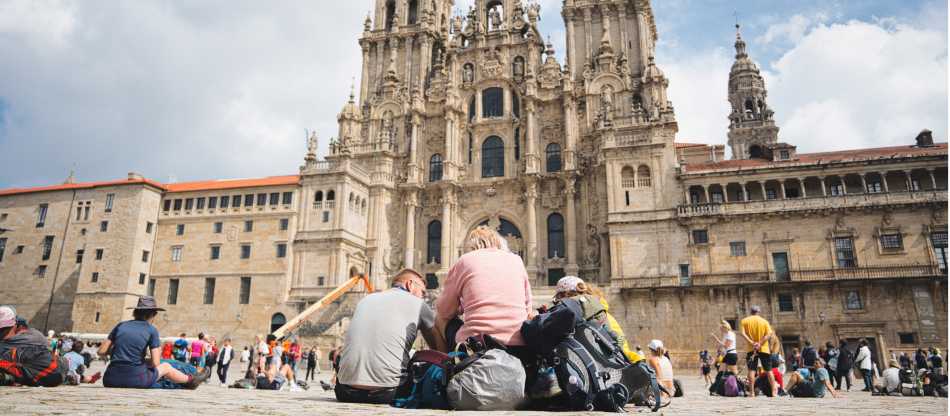
Day 57Day 57: Arrive in Santiago (3-4hrs, 10km/6.25mi)The last day on the trail is always special! From Lavacolla, ascend to Monte do Gozo passing many ancient sites including monuments, chapels and bridges – all have a story to tell. Following country lanes and forest paths through increasingly populated countryside, continue to fabled Santiago de Compostela. There is plenty to see and do – or you can simply relax and celebrate the end of your journey. Dinner is not included tonight so you can try one of the many restaurants in town. Ascent 240m/descent -220m
The last day on the trail is always special! From Lavacolla, ascend to Monte do Gozo passing many ancient sites including monuments, chapels and bridges – all have a story to tell. Following country lanes and forest paths through increasingly populated countryside, continue to fabled Santiago de Compostela. There is plenty to see and do – or you can simply relax and celebrate the end of your journey. Dinner is not included tonight so you can try one of the many restaurants in town. Ascent 240m/descent -220m
Day 58Day 58: Trip concludes in Santiago de CompostelaTrip arrangements conclude after breakfast. If you'd like to stay longer in Santiago please ask for our rates. Also see below for details of a day trip excursion to Fisterra.
Trip arrangements conclude after breakfast. If you'd like to stay longer in Santiago please ask for our rates. Also see below for details of a day trip excursion to Fisterra.

Discover Spain

A glimpse of the destination you'll explore.

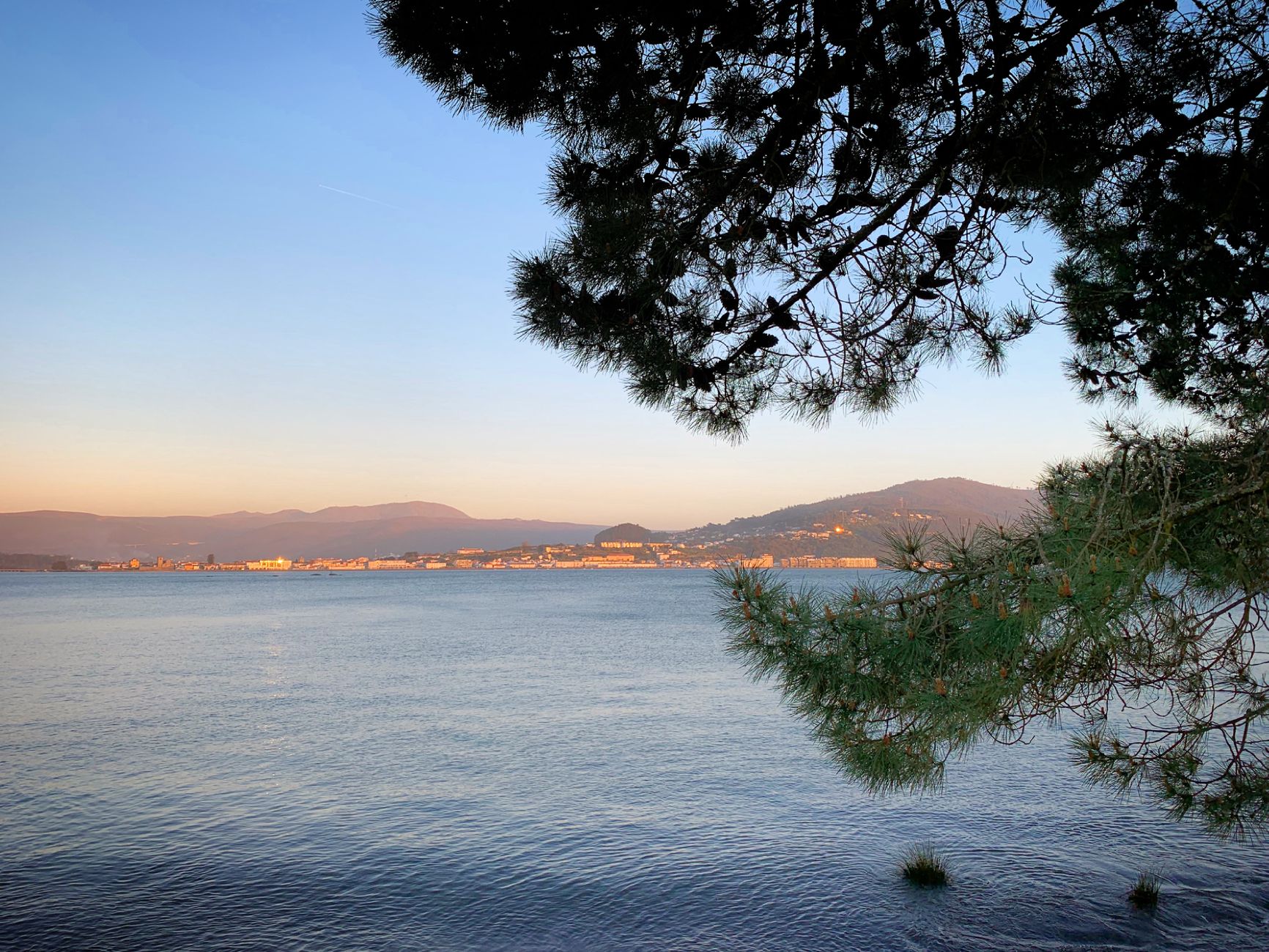
Serene view of the Miño River at sunset, framed by pine trees, capturing the tranquility of spring in Galicia.
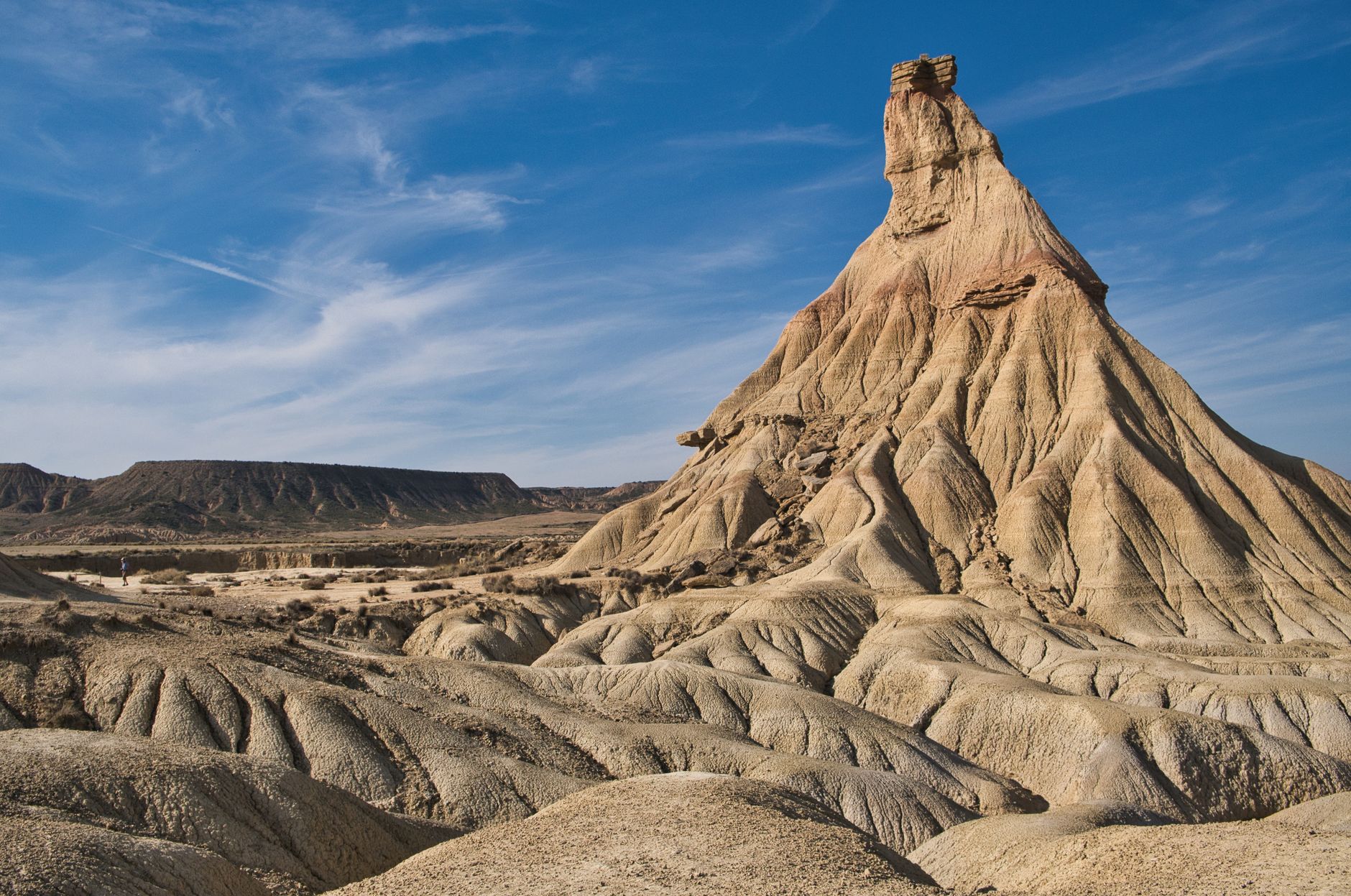
Explore the striking rock formations of Bardenas Reales, a semi-desert region in Spain.
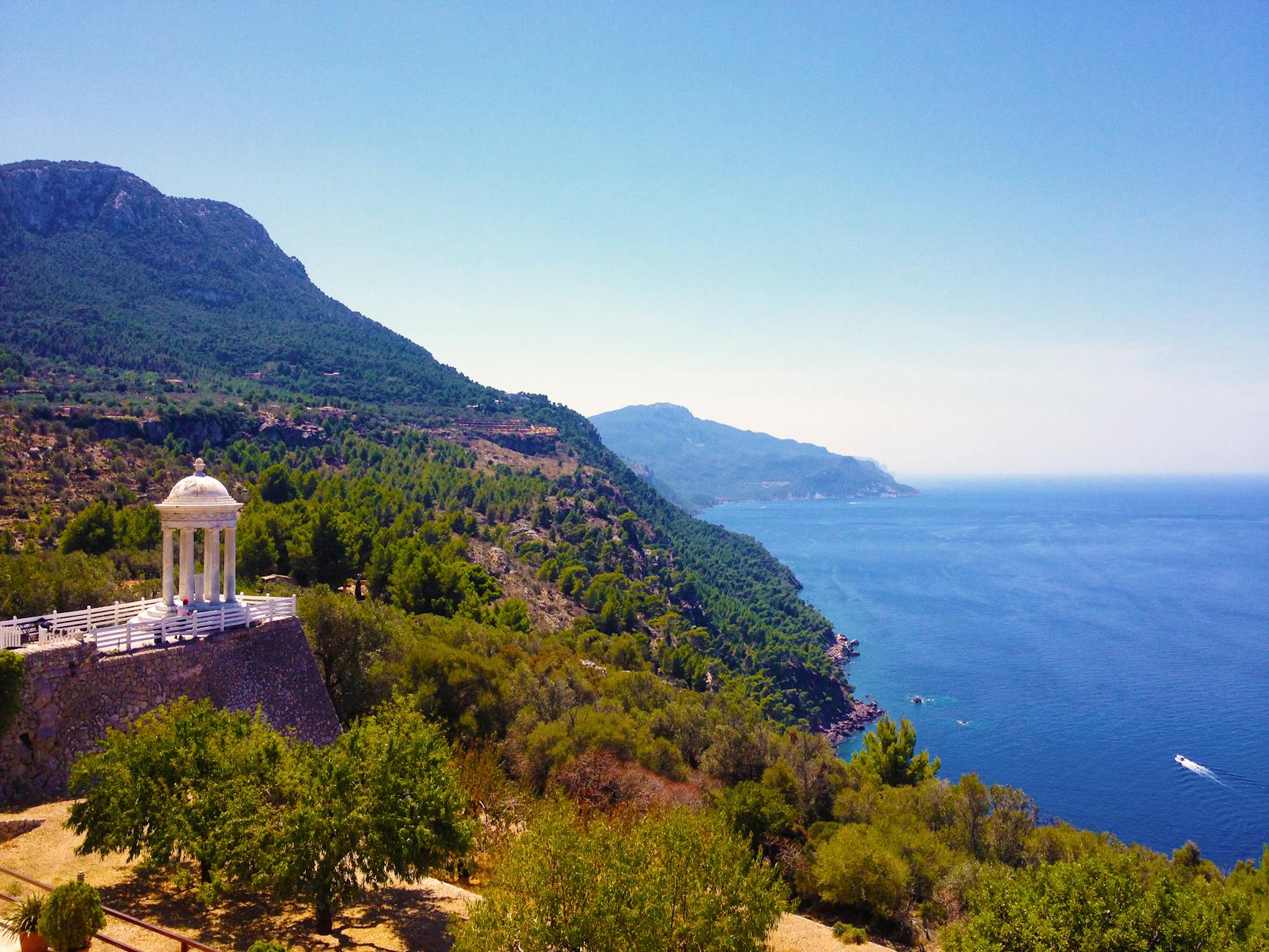
Breathtaking view of Mallorca's coastline featuring a peaceful pergola with lush greenery and azure ocean.
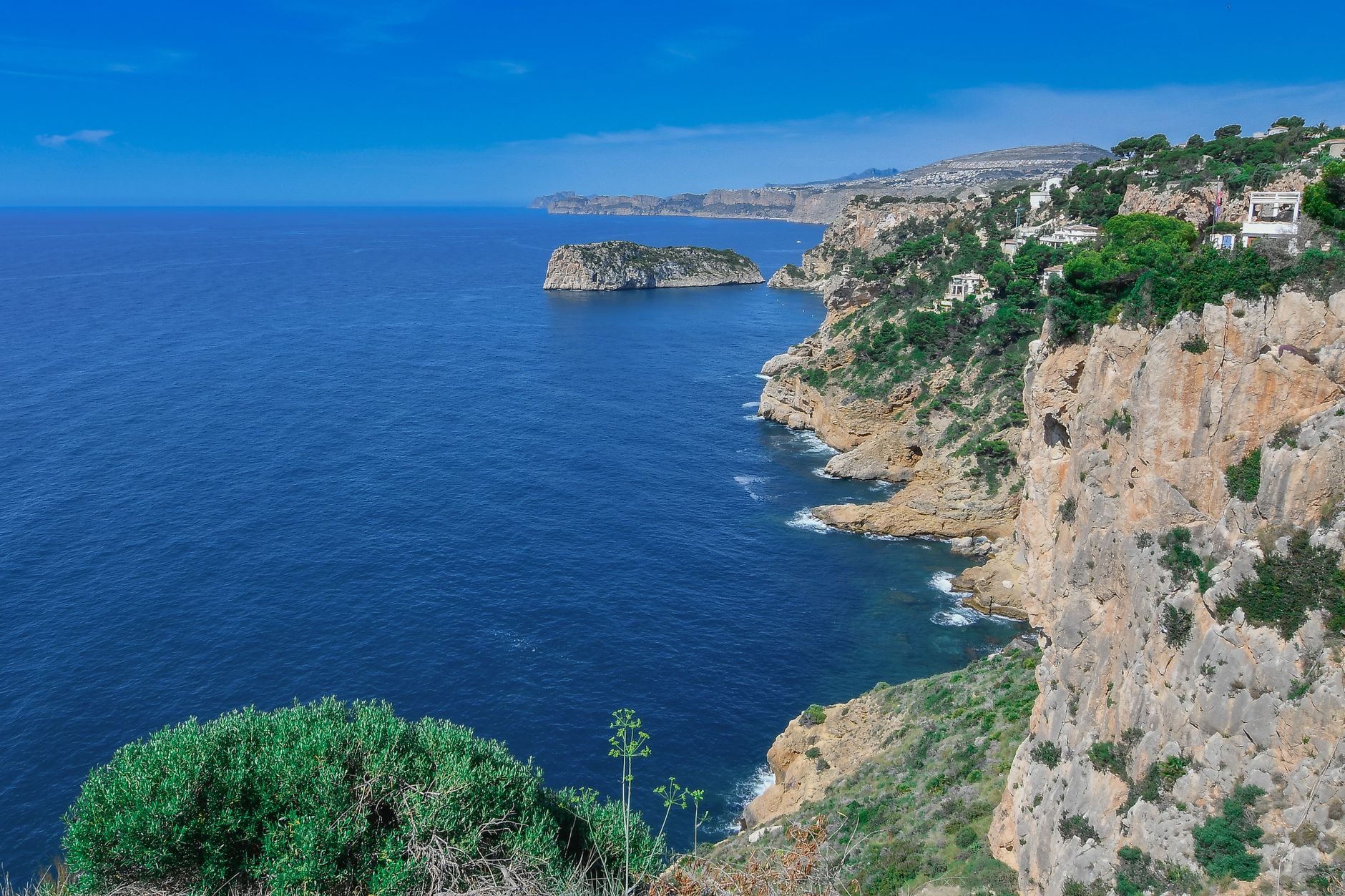
A breathtaking view of the rugged coastal cliffs and blue sea in Jávea, Spain.
Stunning aerial view of Alquézar village nestled in the Aragón hills at sunset.

Upcoming departures

DatesPrice / personAvailability
6 Jun 20262 Aug 2026CAD 12,490Sold outBook my trip
7 Jun 20263 Aug 2026CAD 12,490Sold outBook my trip
8 Jun 20264 Aug 2026CAD 12,490Sold outBook my trip
9 Jun 20265 Aug 2026CAD 12,490Sold outBook my trip
10 Jun 20266 Aug 2026CAD 12,490Sold outBook my trip
11 Jun 20267 Aug 2026CAD 12,490Sold outBook my trip
12 Jun 20268 Aug 2026CAD 12,490Sold outBook my trip
13 Jun 20269 Aug 2026CAD 12,490Sold outBook my trip
14 Jun 202610 Aug 2026CAD 12,490Sold outBook my trip
15 Jun 202611 Aug 2026CAD 12,490Sold outBook my trip
16 Jun 202612 Aug 2026CAD 12,490Sold outBook my trip
17 Jun 202613 Aug 2026CAD 12,490Sold outBook my trip
18 Jun 202614 Aug 2026CAD 12,490Sold outBook my trip
19 Jun 202615 Aug 2026CAD 12,490Sold outBook my trip
20 Jun 202616 Aug 2026CAD 12,490Sold outBook my trip
21 Jun 202617 Aug 2026CAD 12,490Sold outBook my trip
22 Jun 202618 Aug 2026CAD 12,490Sold outBook my trip
23 Jun 202619 Aug 2026CAD 12,490Sold outBook my trip
24 Jun 202620 Aug 2026CAD 12,490Sold outBook my trip
25 Jun 202621 Aug 2026CAD 12,490Sold outBook my trip
26 Jun 202622 Aug 2026CAD 12,490Sold outBook my trip
27 Jun 202623 Aug 2026CAD 12,490Sold outBook my trip
28 Jun 202624 Aug 2026CAD 12,490Sold outBook my trip
29 Jun 202625 Aug 2026CAD 12,490Sold outBook my trip
30 Jun 202626 Aug 2026CAD 12,490Sold outBook my trip
Operated by UTracks

A TripFinder-trusted operator. We compare the trip and handle your booking with a real advisor — you travel under the operator's terms.

Book my trip →

More Europe adventures

Zagreb to Santorini: 35 Unforgettable Days image
G Adventures
Save 20%

Zagreb to Santorini: 35 Unforgettable Days

Bosnia and Herzegovina, Albania, Greece, Montenegro, Croatia · 35 days · Easy

fromCAD 7,679
Next: 21 Jun
Zagreb to Athens: Monasteries & The Mediterranean image
G Adventures
Save 20%

Zagreb to Athens: Monasteries & The Mediterranean

Bosnia and Herzegovina, Albania, Greece, Montenegro, Croatia · 29 days · Easy

fromCAD 5,839
Next: 21 Jun
Intrepid Travel Montenegro Kotor
Intrepid Travel
Deal

Vienna to Dubrovnik

Austria, Bosnia and Herzegovina, Croatia, Czechia, Hungary, Montenegro, Poland, Serbia, Slovakia · 29 days · Easy4.9(9)

fromCAD 6,923
Next: 27 Jun