Amsterdam and Lake IJssel cycling tour. Cycle Amsterdam's Lake IJssel and explore icons of Holland like cheese & windmills on this affordable self guided trip.
At a glance
Duration
8 days
Route
→
Countries
Netherlands
Activity level
moderate
Style
Cycling
Group size
Ask
Flights
Not included
Solo travellers
Ask an agent
Day by day
Your journey through
Netherlands
Showing Days 1-7
8-day itinerary
Day 1Day 1: Arrive in HuizenMake your own way to the hotel in Huizen (near Amsterdam). Take the time this afternoon to stroll through the historic old village with its unique houses and the fishing wharf with its authentic fishing smacks (traditional 19th century sailing boats).
Huizen
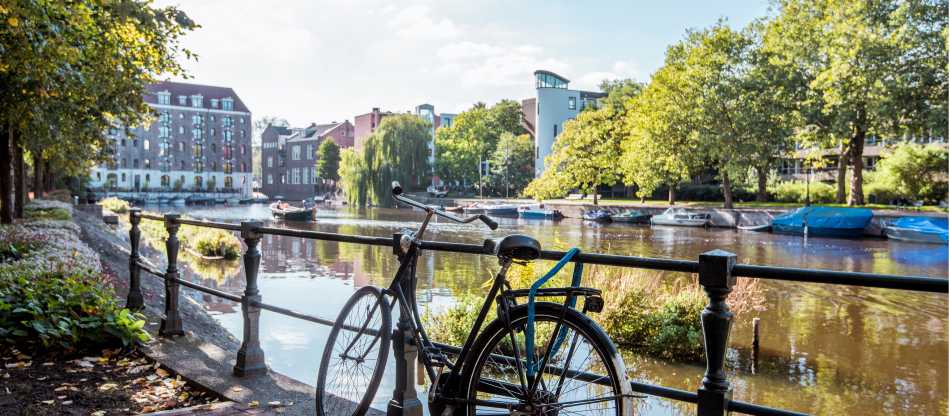
Make your own way to the hotel in Huizen (near Amsterdam). Take the time this afternoon to stroll through the historic old village with its unique houses and the fishing wharf with its authentic fishing smacks (traditional 19th century sailing boats).
Day 2Day 2: Cycle via Naarden to Amsterdam (37km/23mi)Hit the tracks and head to Naarden. The town of Naarden is a good example of a star-shaped fortification (have a peek on google maps!). It’s very well preserved, complete with walls and a moat. Continue to the village of Muiden, at the mouth of the River Vecht. Although very picturesque in itself, Muiden is best known for its small moated castle, built around 1280 - well worth a visit! As the sun sets in Amsterdam, you could go for a leisurely stroll through the picturesque canal district. Optional upgrade available to 4* hotel, a neighbouring property to the usual hotel - must be requested at time of booking.
Hit the tracks and head to Naarden. The town of Naarden is a good example of a star-shaped fortification (have a peek on google maps!). It’s very well preserved, complete with walls and a moat. Continue to the village of Muiden, at the mouth of the River Vecht. Although very picturesque in itself, Muiden is best known for its small moated castle, built around 1280 - well worth a visit! As the sun sets in Amsterdam, you could go for a leisurely stroll through the picturesque canal district. Optional upgrade available to 4* hotel, a neighbouring property to the usual hotel - must be requested at time of booking.
Day 3Day 3: Continue to Hoorn (61km/38mi)There’s so much to see and do in Amsterdam, so make sure you have an early start. We suggest a quick visit to the Gallery of Honour at the Rijksmuseum, before getting on your bike and heading into the peaceful countryside. The municipality of Waterland awaits, with meadows, wooden bridges and windswept reeds and rushes. The Museum de Speeltoren in the pretty village of Monnickendam explains the history of this extraordinary cultural landscape. You'll then cycle along the shore of Lake Markermeer to Volendam, with its quaint stone houses. "De Dijk” overlooking the harbour is lined with souvenir shops, pavement cafes and restaurants. Just around the corner is the pretty village of Edam. For centuries, small, round, salty cheeses produced by dairy farmers in neighbouring polders were shipped out of Edam and exported all over Europe. For six weeks in summer a traditional Wednesday morning cheese market is put on for tourists (10.30am, 2hrs) by local volunteers. At the end of the day, you’ll reach the lovely, historical town of Hoorn. Like Enkhuizen (see day 4), it has a history in whaling, shipbuilding, fishery and of course shipping. Both towns housed branches (“chambers”) of the Dutch East India Company (along with Delft, Middelburg, Amsterdam and Rotterdam). Optional upgrade available - must be requested at time of booking.
Hoorn (61km/38mi)
There’s so much to see and do in Amsterdam, so make sure you have an early start. We suggest a quick visit to the Gallery of Honour at the Rijksmuseum, before getting on your bike and heading into the peaceful countryside. The municipality of Waterland awaits, with meadows, wooden bridges and windswept reeds and rushes. The Museum de Speeltoren in the pretty village of Monnickendam explains the history of this extraordinary cultural landscape. You'll then cycle along the shore of Lake Markermeer to Volendam, with its quaint stone houses. "De Dijk” overlooking the harbour is lined with souvenir shops, pavement cafes and restaurants. Just around the corner is the pretty village of Edam. For centuries, small, round, salty cheeses produced by dairy farmers in neighbouring polders were shipped out of Edam and exported all over Europe. For six weeks in summer a traditional Wednesday morning cheese market is put on for tourists (10.30am, 2hrs) by local volunteers. At the end of the day, you’ll reach the lovely, historical town of Hoorn. Like Enkhuizen (see day 4), it has a history in whaling, shipbuilding, fishery and of course shipping. Both towns housed branches (“chambers”) of the Dutch East India Company (along with Delft, Middelburg, Amsterdam and Rotterdam). Optional upgrade available - must be requested at time of booking.
Day 4Day 4: By bike and ferry at Lake IJsselmeer to Rijs (58km/36.3mi)Continue up the shore of Lake IJsselmeer, atop the old sea dike, to the beautiful town of Enkhuizen. You can opt to visit the Zuiderzee Museum which tells the story of the days when ships from the Zuiderzee sailed the seas trading in bulbs and spices, when Holland dominated world trade and the Dutch East India Company was the first-ever multinational. This period is known as the Golden Age and roughly spans the 17th century. The museum has also combined a collection of local historical architecture with demonstrations of traditional trades. You then take the ferry* from Enkhuizen to Stavoren (takes 80 minutes), to cross Lake IJsselmeer. The lake was created in 1932 when a closure dike cut off the Zuiderzee from the North Sea, necessary to stop flooding of towns on the Zuiderzee. By 1940 the saltwater had been replaced by fresh water from the River IJssel. Except for eels, none of the Zuiderzee fish survived, and a new fresh water fish population replaced them. On the other side of the lake, you will find yourself in Friesland province. The people of Friesland have their own language (a proper language, not a dialect) closely related to English. When they say butter, bread and green cheese, it sounds like English and not like the Dutch "boter, brood en groene kaas”. The length of this day trip includes the boat. *the ferry must be pre-booked (online, not included). You can do this yourself at: http://www.veerboot.info/en
Continue up the shore of Lake IJsselmeer, atop the old sea dike, to the beautiful town of Enkhuizen. You can opt to visit the Zuiderzee Museum which tells the story of the days when ships from the Zuiderzee sailed the seas trading in bulbs and spices, when Holland dominated world trade and the Dutch East India Company was the first-ever multinational. This period is known as the Golden Age and roughly spans the 17th century. The museum has also combined a collection of local historical architecture with demonstrations of traditional trades. You then take the ferry* from Enkhuizen to Stavoren (takes 80 minutes), to cross Lake IJsselmeer. The lake was created in 1932 when a closure dike cut off the Zuiderzee from the North Sea, necessary to stop flooding of towns on the Zuiderzee. By 1940 the saltwater had been replaced by fresh water from the River IJssel. Except for eels, none of the Zuiderzee fish survived, and a new fresh water fish population replaced them. On the other side of the lake, you will find yourself in Friesland province. The people of Friesland have their own language (a proper language, not a dialect) closely related to English. When they say butter, bread and green cheese, it sounds like English and not like the Dutch "boter, brood en groene kaas”. The length of this day trip includes the boat. *the ferry must be pre-booked (online, not included). You can do this yourself at: http://www.veerboot.info/en
Day 5Day 5: Cycle through the Weerribben-Wieden National Park…In the morning, you will cycle through Gaasterland, undulating and woody, to the picturesque town of Lemmer, a favourite with boaters in summer. Next you'll head to the UNESCO World Heritage listed Wouda Steam Pumping Station, which has been operational since 1920 and was used to drain a lake. For centuries, windmills took care of water management in the Netherlands before steam engines took over. Nowadays most of the 1600 pumping stations are electrically powered. In the afternoon, nature lovers will enjoy the beauty of Weerribben-Wieden National Park, where water, reeds and rushes dominate the landscape. It is said to be the most valuable marshland of north-western Europe. If the usual hotel in Zwartsluis is not available, you will spend tonight in the lovely Hanseatic city of Vollenhove and visit Zwartsluis tomorrow morning.
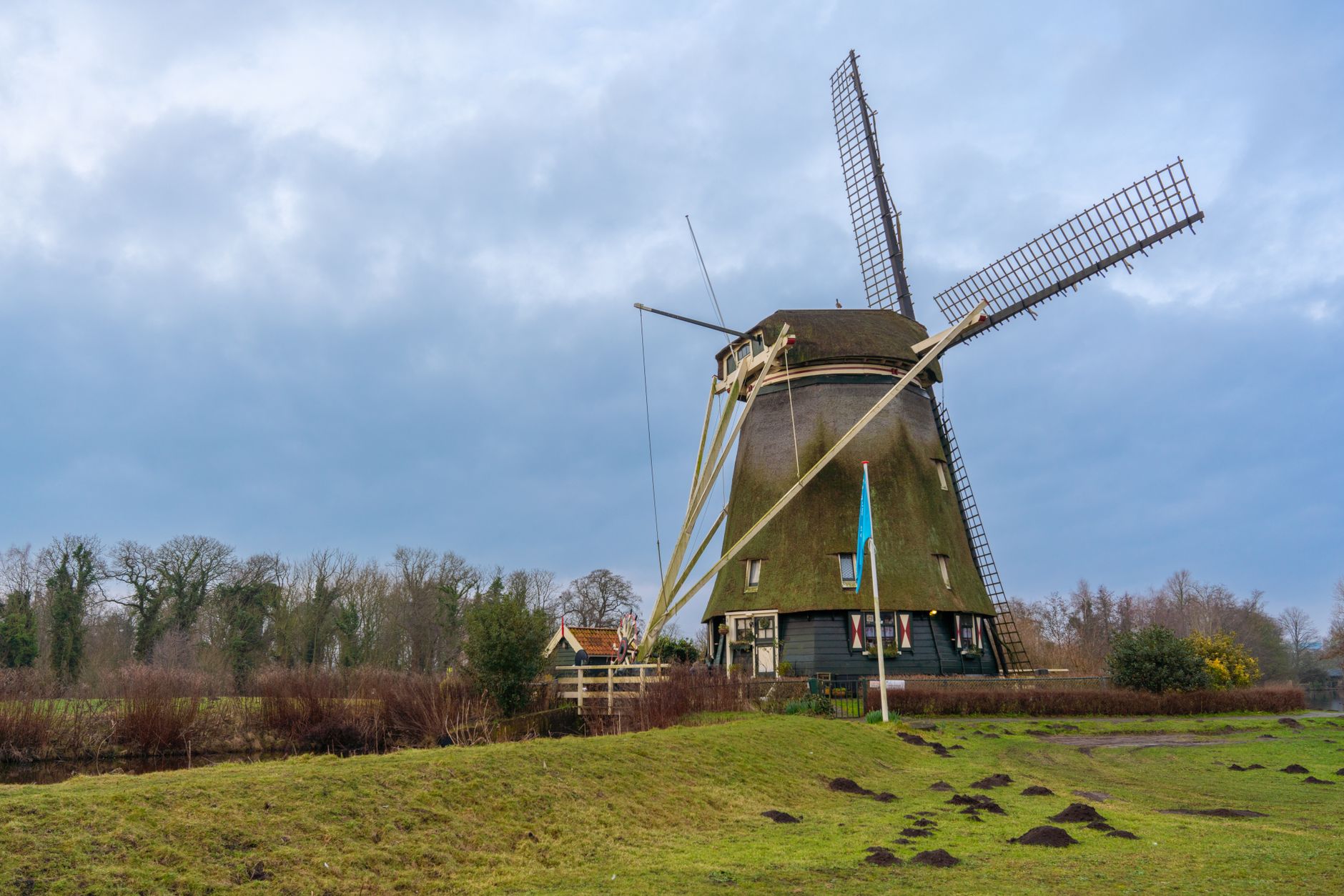
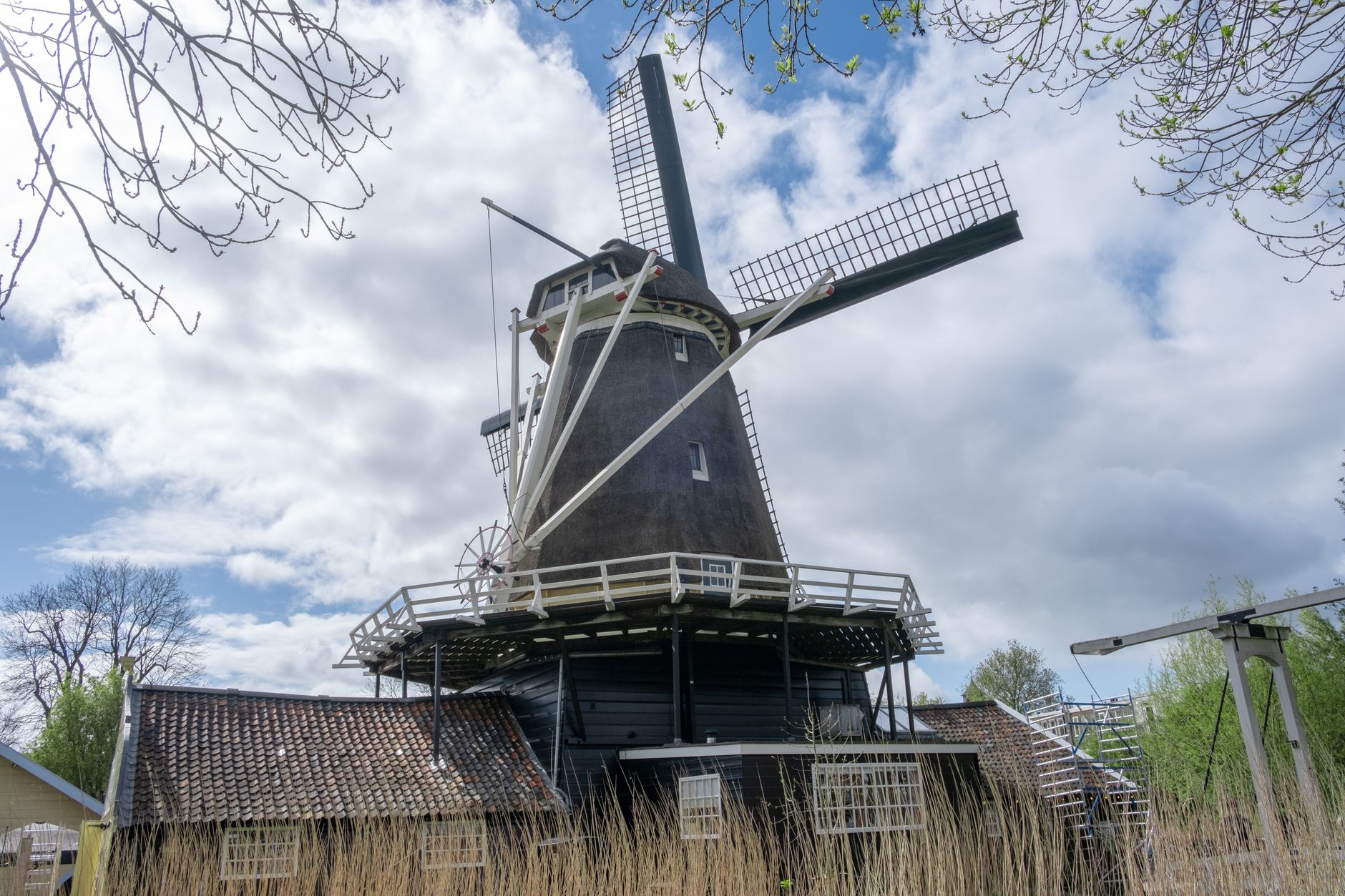
In the morning, you will cycle through Gaasterland, undulating and woody, to the picturesque town of Lemmer, a favourite with boaters in summer. Next you'll head to the UNESCO World Heritage listed Wouda Steam Pumping Station, which has been operational since 1920 and was used to drain a lake. For centuries, windmills took care of water management in the Netherlands before steam engines took over. Nowadays most of the 1600 pumping stations are electrically powered. In the afternoon, nature lovers will enjoy the beauty of Weerribben-Wieden National Park, where water, reeds and rushes dominate the landscape. It is said to be the most valuable marshland of north-western Europe. If the usual hotel in Zwartsluis is not available, you will spend tonight in the lovely Hanseatic city of Vollenhove and visit Zwartsluis tomorrow morning.
Day 6Day 6: Pedal past Kampen en route to Harderwijk (65km/40mi)After exploring Zwartsluis, popular with boaters and water sports enthusiasts, you will set off atop the old Kamperzeedijken (Kampen sea dikes) to the town of Kampen, which has one of the best-preserved town centres in the Netherlands. Kampen was a member of the Hanseatic League, a northern European alliance of trading guilds in the 13th to 17th centuries, whose main aim was to ensure safe passage for travelling merchants. They also helped each other with information, knowledge, contacts and privileges. This network generated income, allowing merchants to invest in culture and architecture and explains why Hansa towns, centuries on, are so attractive. The River IJssel, which emptied into Zuiderzee sea, counted several Hansa communities on its banks. Later, jump back on your bike and follow the fringes of Veluwe Forest down to Harderwijk.
After exploring Zwartsluis, popular with boaters and water sports enthusiasts, you will set off atop the old Kamperzeedijken (Kampen sea dikes) to the town of Kampen, which has one of the best-preserved town centres in the Netherlands. Kampen was a member of the Hanseatic League, a northern European alliance of trading guilds in the 13th to 17th centuries, whose main aim was to ensure safe passage for travelling merchants. They also helped each other with information, knowledge, contacts and privileges. This network generated income, allowing merchants to invest in culture and architecture and explains why Hansa towns, centuries on, are so attractive. The River IJssel, which emptied into Zuiderzee sea, counted several Hansa communities on its banks. Later, jump back on your bike and follow the fringes of Veluwe Forest down to Harderwijk.
Day 7Day 7: Continue along the shores of Randmeren…This morning you'll pedal along the shores of Randmeren lakes. Arkemheen-Eemland is a wide open, empty and National Heritage landscape. The area was surrounded by dikes in the year 1360 to stop fields from being flooded by the sea. Arkemheen polder is special because the original lots are still intact. The lots are divided by curvy creeks, remnants of Zuiderzee tidal streams. Some plant species still recall the influence of salt water. Part of the polder is preserved as a bird habitat for “Natura 2000”. The visitors’ centre has more information. Should you have an interest in the Age of Steam, you may like to visit another steam pumping station, Hertog Reijnout, which controlled water levels in the low-lying polder from 1883 till 1983. Cycle distance without ferry crossing - 55km /34.2mi
This morning you'll pedal along the shores of Randmeren lakes. Arkemheen-Eemland is a wide open, empty and National Heritage landscape. The area was surrounded by dikes in the year 1360 to stop fields from being flooded by the sea. Arkemheen polder is special because the original lots are still intact. The lots are divided by curvy creeks, remnants of Zuiderzee tidal streams. Some plant species still recall the influence of salt water. Part of the polder is preserved as a bird habitat for “Natura 2000”. The visitors’ centre has more information. Should you have an interest in the Age of Steam, you may like to visit another steam pumping station, Hertog Reijnout, which controlled water levels in the low-lying polder from 1883 till 1983. Cycle distance without ferry crossing - 55km /34.2mi
TripFinder compares the available catalog facts and Brandi Leanna can handle the booking — and you pay the same as booking UTracks direct, never more, because the operator pays our commission. You travel under the operator's terms; final price and availability are confirmed before purchase.


 Huizen
 Hoorn (61km/38mi)